Webcams: Lightweight and Flexible, Ideal for Remote Video and Live Streaming Creators
The biggest advantages of webcams are convenience, affordability, and ease of use—most models support USB plug-and-play with minimal setup. That’s why webcams are the go-to choice for video podcasters, beginner streamers, remote workers, and online educators.
Here are four outstanding webcams currently on the market, balancing cost performance, image quality, and extra features to fit different user needs:
Logitech C920: A Classic HD Video Benchmark
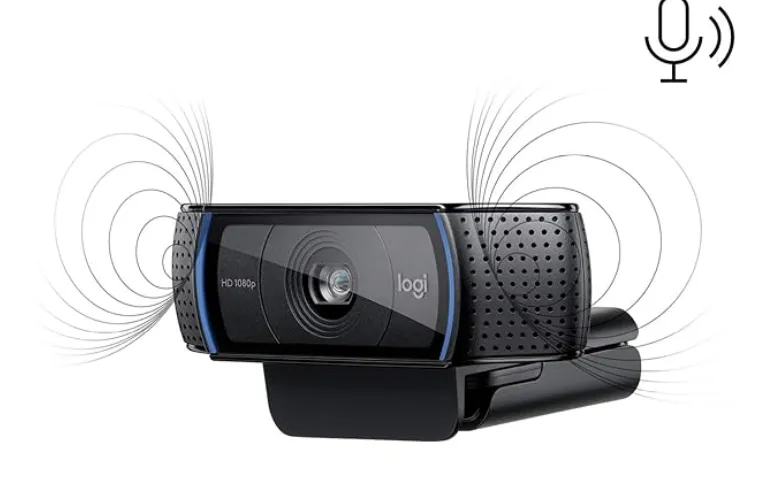
The Logitech C920 is practically a “legend” in the webcam world. Since its release, it has become the preferred video recording equipment for many streamers, educators, and remote workers due to its 1080p HD resolution and reliable autofocus system.
It features dual built-in microphones for stereo sound and automatic light correction to improve performance in low-light conditions.
💰 Price: $70 - $100
💡Key highlights:
- 1080p full HD resolution for clear video quality
- Autofocus and light optimization adaptable to varied environments
- Dual microphones with decent audio capture
- Perfect compatibility with Zoom, Teams, OBS
🎯 Best for: Zoom, Microsoft Teams, OBS Studio, beginner streamers, online educators, remote workers
📌Limitations: Limited video quality and frame rate, fixed angle adjustment
While the C920 is a solid entry-level video recorder with mic, users seeking higher image quality or wider viewing angles may find its fixed focal length and modest frame rate restrictive. It suits those with moderate video quality needs.
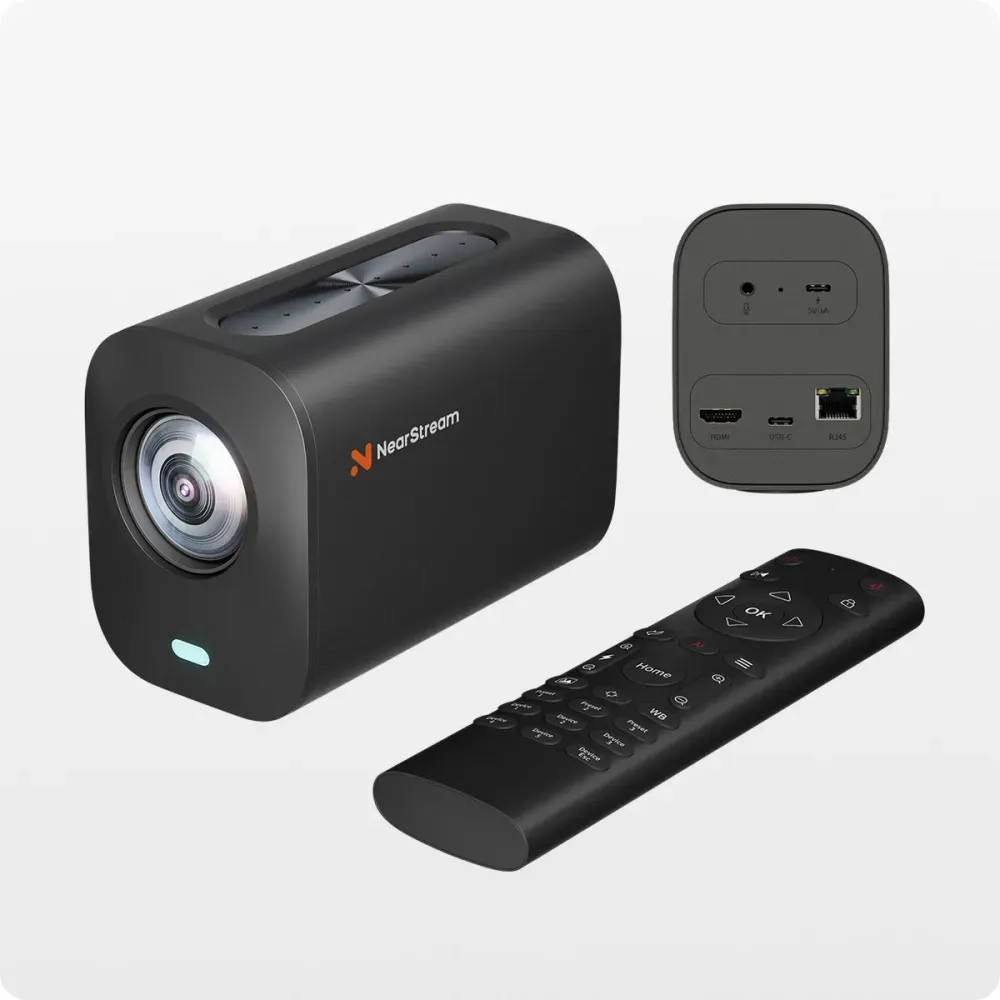
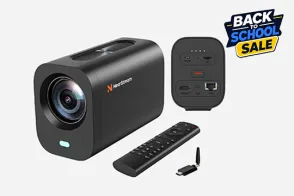
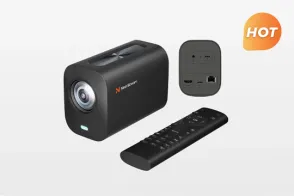
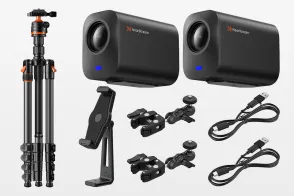
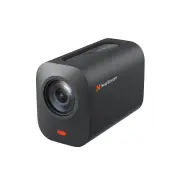
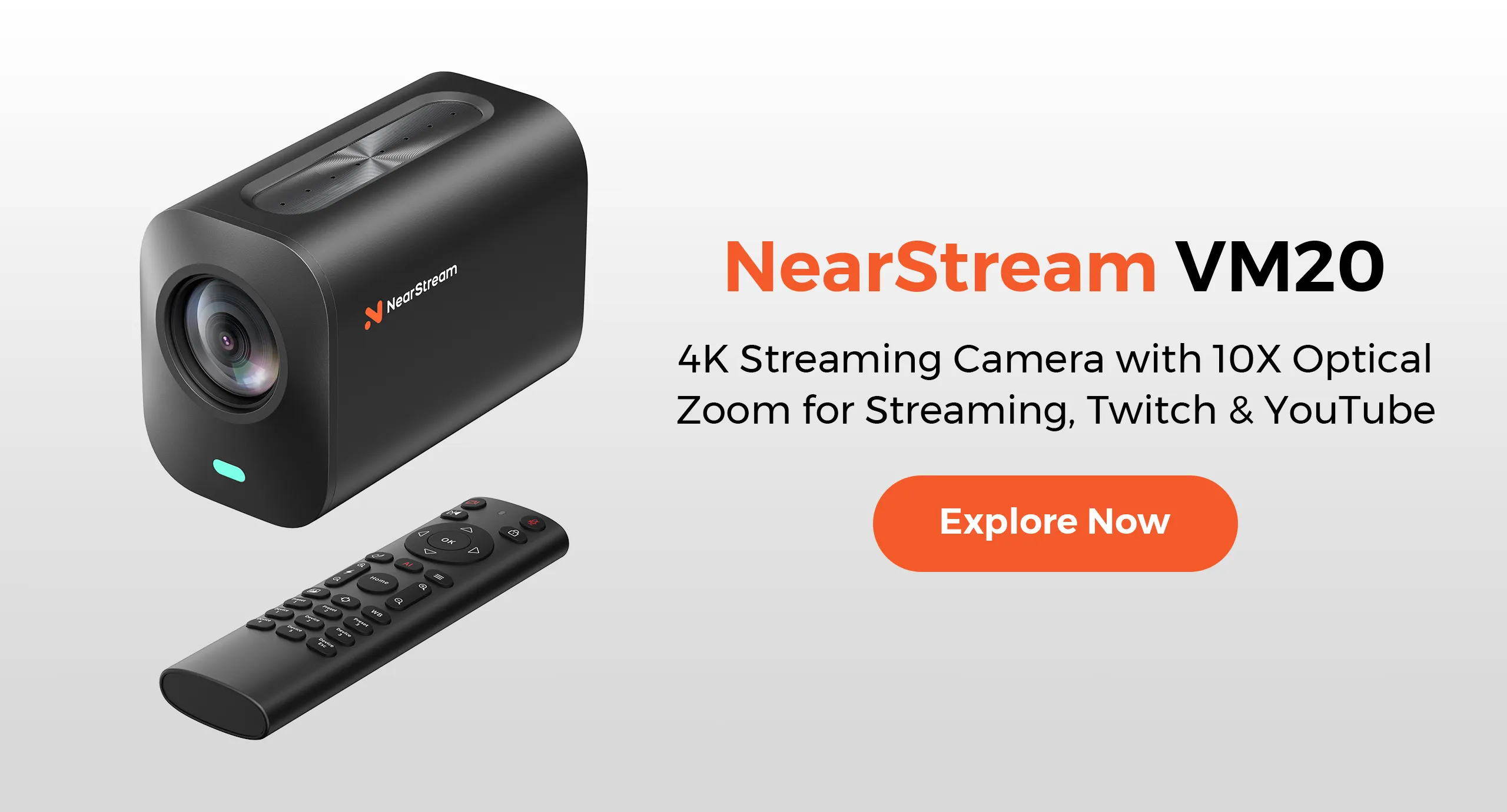
The NearStream VM20 is a USB HD webcam tailored for content creators, supporting up to 2K resolution and 40x digital zoom with one click. It delivers superior color reproduction and exposure control, with sharper images than most traditional webcams.
Uniquely, it can be controlled remotely via a physical remote or smartphone app (NearSync), allowing zoom, focus, and preset adjustments—ideal for multi-angle live streams and instructional videos.
💰 Price: $200 - $300
💡Key highlights:
- Supports up to 2K resolution, offering detailed images
- 40x digital zoom for flexible scene composition
- Remote control and NearSync app connectivity
- RTSP streaming support for network camera use
- Best for: live streaming, teaching, multi-person meetings, demo videos
🎯 Best for: Multi-angle live streaming, online teaching, corporate meetings, demo videos, compatible with Twitch, YouTube, Zoom, OBS, etc.
📌Limitations: Audio performance is basic; pairing with an external microphone is recommended
The VM20 excels in image control and hardware stability, but its built-in mic is entry-level, so for higher audio quality, use an external wireless or USB microphone.
Elgato Facecam: Creator-Focused Webcam with Emphasis on Image Quality
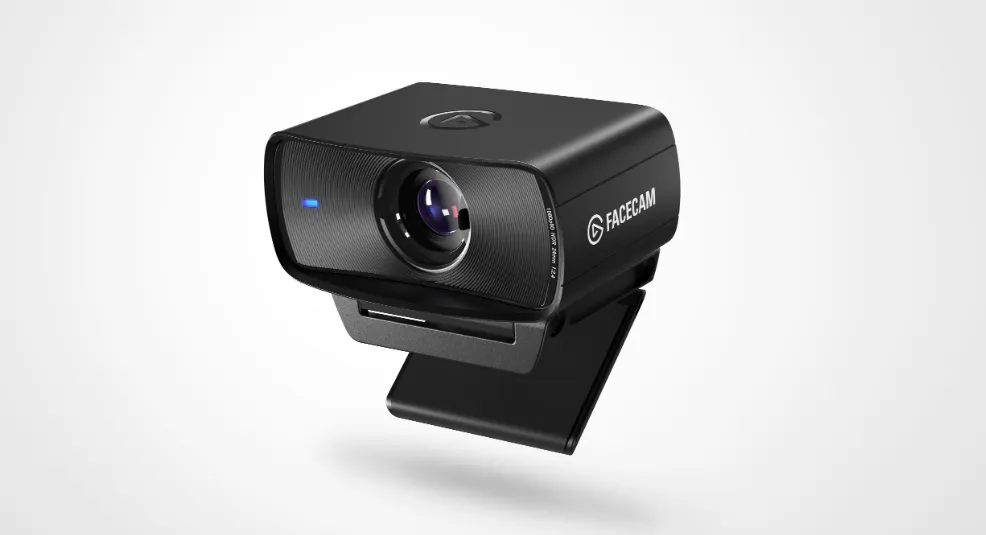
Designed specifically for video content creators, the Elgato Facecam sacrifices built-in audio to focus entirely on delivering high-quality visuals. Its large Sony STARVIS sensor outputs 1080p at 60fps for smooth, clear motion.
Users can finely tune exposure, white balance, and sharpness with the Elgato Camera Hub software, perfect for creators seeking cinematic control over lighting and effects.
💰 Price: $160 - $180
💡Key highlights:
- 1080p/60fps high frame rate for smooth motion
- Sony STARVIS sensor excels in low-light environments
- Rich parameter adjustments for professional-level control
- Compatible with OBS, Streamlabs, and other major live streaming platforms
🎯Best for: Content creators using OBS, Streamlabs, Twitch, YouTube Live who want top video quality and have separate audio setup
📌Limitations: No built-in microphone, higher price point
The Facecam is focused on video quality and requires separate microphone setup. Its price is higher than standard webcams, making it suitable for semi-professionals with existing audio gear.
Razer Kiyo Pro: An Advanced Webcam for Low-Light Conditions
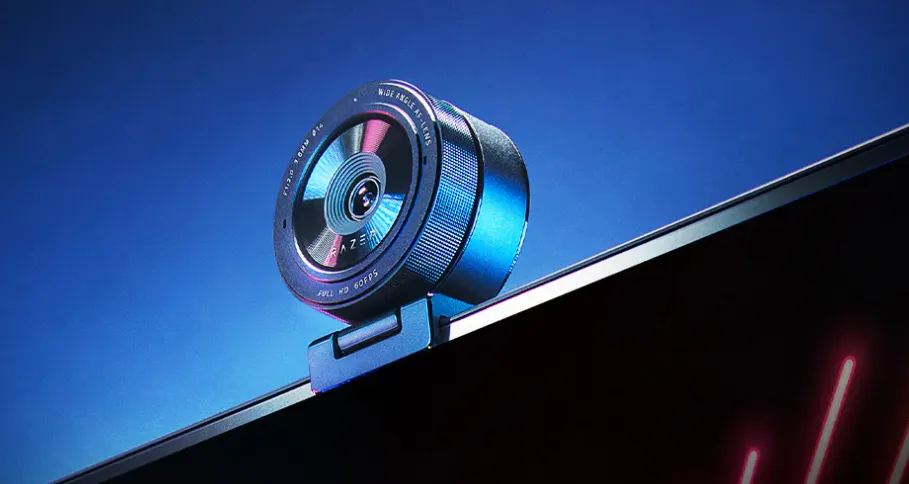
Equipped with a Sony IMX327 back-illuminated sensor, the Razer Kiyo Pro is optimized for dark scenes. Whether for night streaming or indoor teaching, it delivers natural, sharp visuals. It supports HDR mode and adjustable field of view (78°–103°), suitable for different framing needs.
💰 Price: $160 - $200
💡Key highlights:
- Low-light optimized sensor for detailed night scenes
- HDR support for natural contrast
- Adjustable viewing angles for individual or group content
- Vibration-resistant design fits mobile setups
🎯 Best for: Streamers and educators working in low-light or variable lighting conditions.
📌Limitations: Larger size, frame rate may drop to 30fps in HDR mode
The larger sensor makes the Kiyo Pro bulkier, resembling a mini camera. HDR reduces frame rate, so adjust settings based on the shooting environment.
Digital Camcorders: Balancing Portability and Practicality, Perfect for Courses and Vlogging Creators
When your shooting demands go beyond desktop setups to multi-scene mobility, digital camcorders show their unique advantages. Compared with webcams, they offer longer recording times, stronger optical zoom, and ergonomics better suited for handheld use. This makes them widely adopted in online teaching, event recording, personal vlogging, and field interviews.
Though camcorders don't match DSLRs/mirrorless cameras in professional image quality, their stability, ease of use, and affordable price make them a great stepping stone for intermediate creators upgrading their video recording equipment.
Canon Vixia HF R800: Lightweight and Durable Beginner’s Choice
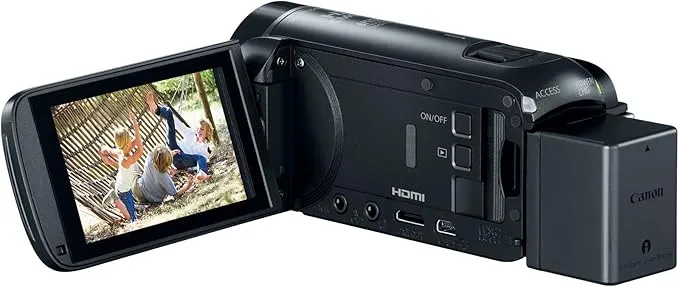
The Vixia HF R800 from Canon targets entry-level users, offering reliable performance at a budget-friendly price. It supports 57x advanced zoom for close-ups, with built-in image stabilization to reduce shake, ideal for handheld shooting.
New creators making video courses, recording family moments, or experimenting with vlogging will appreciate its simple controls, flip screen, and long battery life—a dependable starting point.
💰 Price: $250 - $300
💡Key highlights:
- 57x advanced zoom handles distant subjects easily
- DIGIC DV 4 processor ensures basic image clarity
- SD card storage with flexible file management
- Replaceable battery supports extended recording
🎯 Best for: Beginner vloggers, family videos, online course creators, casual shooting on YouTube, Facebook
📌Limitations: No 4K support, average low-light performance
The HF R800 shoots up to 1080p only and struggles in dim environments, producing some noise—making it better suited for well-lit, casual shooting.
Panasonic HC-V770: Mid-Range Model with Excellent Wireless Features
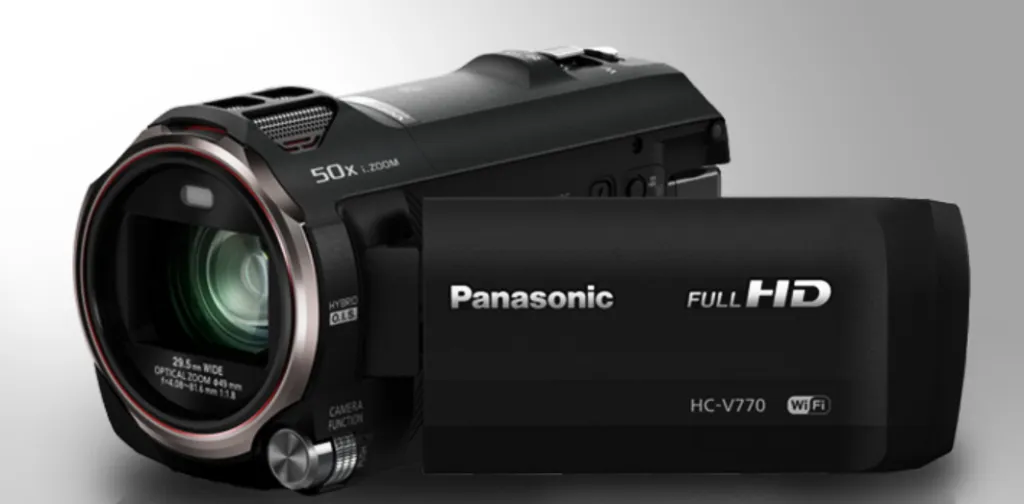
If you want a well-rounded, mid-level camcorder for remote teaching and daily shooting, the HC-V770 deserves attention. It supports 20x optical zoom and a 5-axis hybrid stabilization system for smooth handheld footage.
Notably, it features Wi-Fi remote control and live streaming, enabling creators to control the lens from their phone and stream directly to platforms, ideal for online courses and mobile shoots.
💰 Price: $500 - $600
💡Key highlights:
- 20x optical zoom covers a broad range
- 5-axis stabilization reduces motion blur
- 1080p/60fps high frame rate recording
- Built-in Wi-Fi for remote control and wireless streaming
- Dual picture-in-picture mode for interviews and demos
🎯 Best for: Remote teaching, daily vlogging, live streaming on YouTube, Facebook, with smartphone remote control
📌Limitations: Moderate battery life, no 4K recording
The battery lasts about 1.5 hours in HD mode, so bring spares for longer sessions.
Sony Handycam AX43: 4K Quality with Strong Stabilization
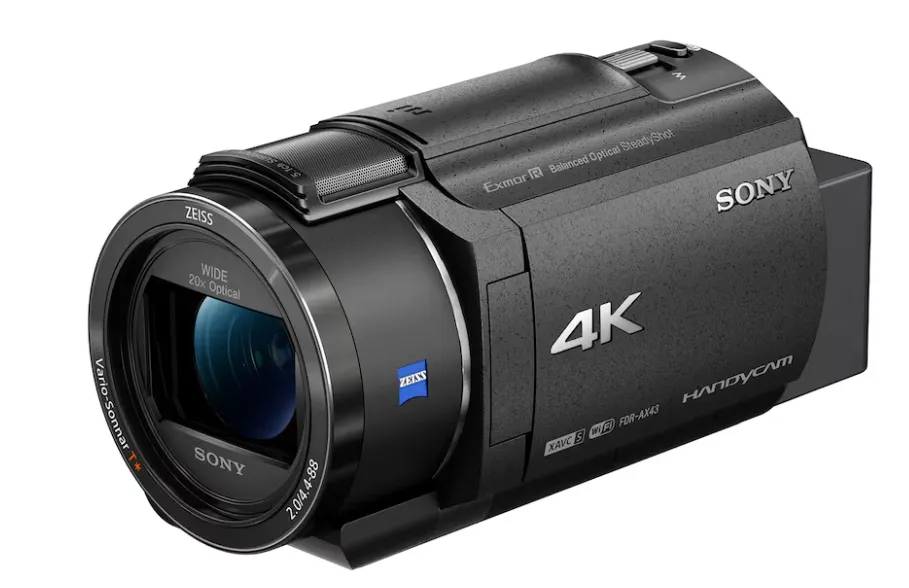
Sony’s AX43 targets vloggers and professional creators, offering 4K HDR video and industry-leading Balanced Optical SteadyShot™ five-axis stabilization. Even in motion, it delivers stable, blur-free footage.
With a built-in triple microphone array, it captures wide-range audio, suitable for interviews and narration. USB connectivity supports webcam mode, making it a versatile device for live streams and meetings.
💰 Price: $800 - $900
💡Key highlights:
- Native 4K recording with sharp details
- Five-axis optical stabilization for smooth footage
- High-sensitivity microphone array with good sound capture
- Webcam support via USB for diverse uses
- High-speed SD card compatibility
🎯 Best for: Professional vloggers, interview recording, webinars, live streams on YouTube, Facebook, Zoom
📌Limitations: Higher price, suited for experienced creators
Compared to other camcorders, the AX43 is pricier and more advanced, ideal for users wanting professional-quality video recorders with mic features.
With YouTube professionalization and growth in online courses, brand videos, and short documentaries, many creators turn to interchangeable lens cameras. These devices provide outstanding image quality, large sensors, manual controls, and broad lens compatibility—making them top choices for YouTubers, educators, and commercial videographers.
They typically use APS-C or full-frame sensors, offering shallow depth of field and excellent low-light performance for cinematic footage. However, they come with higher price points, complexity, and accessory needs, better suited for users with video recording experience.
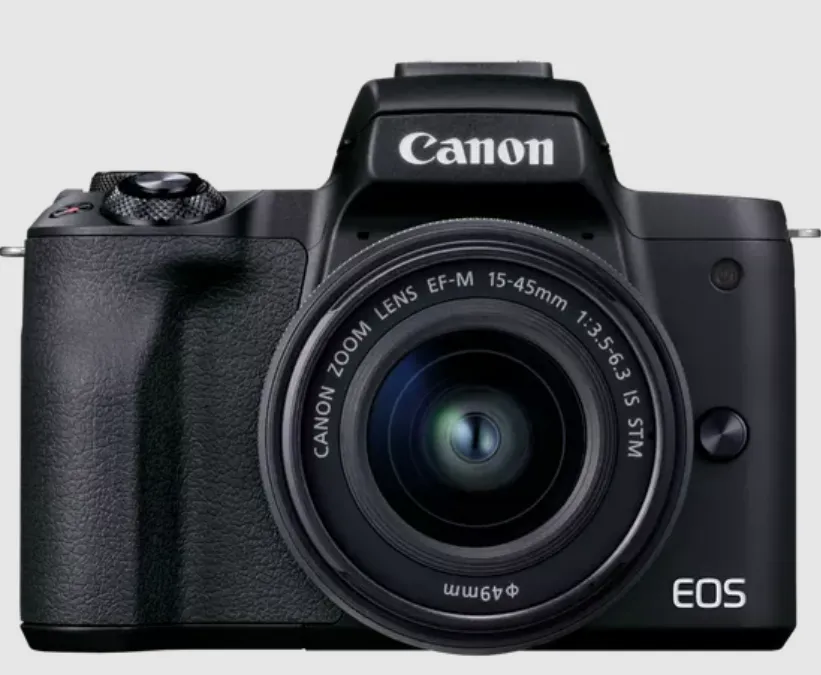
The EOS M50 Mark II is a compact mirrorless camera designed for video creators, vloggers, and streamers. It features Canon’s Dual Pixel CMOS autofocus for fast, accurate focus, especially on faces, perfect for portraits and daily vlogging.
It supports vertical video shooting and direct YouTube live streaming, popular among social media creators. Its flip touchscreen simplifies selfies and multi-angle shooting, plus external microphone input enhances audio quality.
💰 Price: $700 - $800 (body only)
💡Key highlights:
- 24.1MP APS-C sensor with excellent image quality
- Dual Pixel autofocus with eye detection
- Vertical video and native live streaming support
- Flip touchscreen for easy framing and monitoring
🎯 Best for: Social media creators, vloggers, YouTube live streamers, entry-level filmmakers
📌Limitations: No 4K 60fps, shorter battery life
4K mode disables Dual Pixel AF and applies 1.5x crop, and battery life is limited, so consider a grip or spare battery for longer shoots.
Sony ZV-E10: Video-Centric Mirrorless Hit
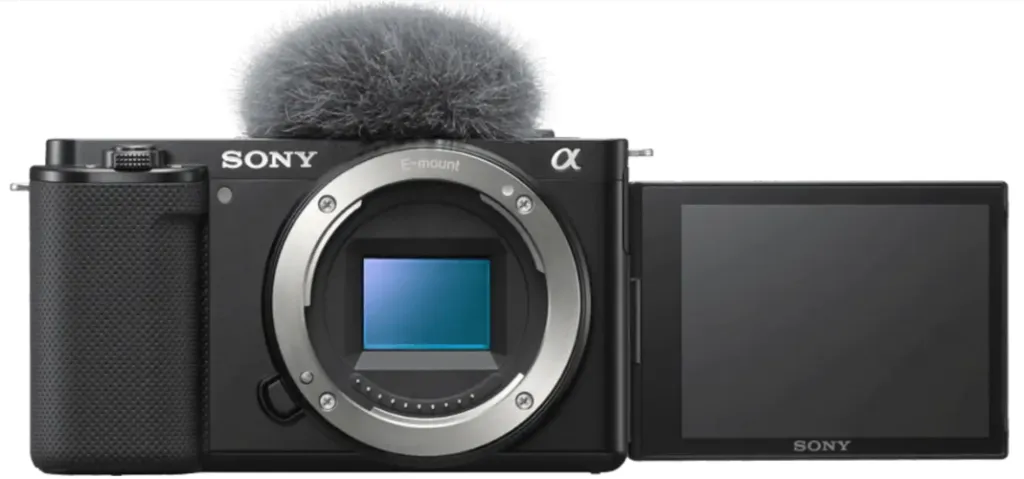
The ZV-E10 is an APS-C mirrorless designed for video, with almost every feature optimized for creators. It offers real-time Eye AF, excellent for portrait video, suited for tutorials, live commerce, and vlogs.
It supports 4K/30fps uncropped recording, built-in directional mic with wind muff, and USB streaming, making it a versatile all-in-one video recorder with mic solution.
💰 Price: $700 - $800 (body only)
💡Key highlights:
- 24.2MP APS-C sensor with uncropped 4K recording
- Real-time eye autofocus for sharp portraits
- Built-in directional microphone with wind protection
- USB direct streaming with zero setup
- Compact body, ideal for on-the-go shooting
🎯 Best for: Vloggers, tutorial creators, live commerce, content creators needing USB streaming on Twitch, YouTube, Facebook
📌Limitations: No electronic viewfinder, potential overheating on long 4K recording
The absence of EVF might challenge traditional shooters, and overheating may limit continuous recording, so use for shorter takes or with cooling solutions.
Panasonic Lumix GH5: The Professional Choice for Serious Creators
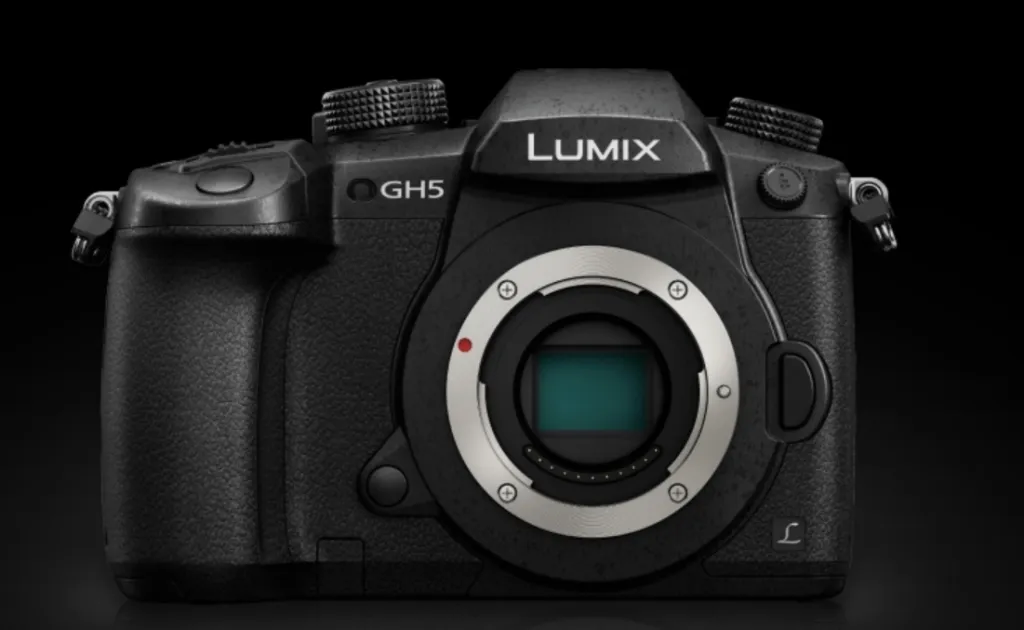
The GH5 is widely respected in the video community, offering unlimited 4K 10-bit recording, high frame rates (up to 240fps in 1080p), and multiple codecs like All-I, MOV, MP4—perfect for documentaries, commercials, and education.
It features dual card slots, in-body 5-axis stabilization, and full-size HDMI ports, fully integrating into professional workflows.
💰 Price: $1,200 - $1,500 (body only)
💡 Key highlights:
- 20MP Micro Four Thirds sensor
- Unlimited 4K 60fps recording with 10-bit color depth
- Dual SD card slots for extended recording
- Powerful 5-axis stabilization for handheld shooting
- Professional-grade video interfaces and controls
🎯 Best for: Professional videographers, documentary filmmakers, commercial video production
📌Limitations: Larger body, average low-light performance
Heavier than typical mirrorless cameras, with weaker low-light than APS-C/full-frame sensors, best suited for well-lit environments.
Nikon Z6 II: Full-Frame Powerhouse for High-End Creators
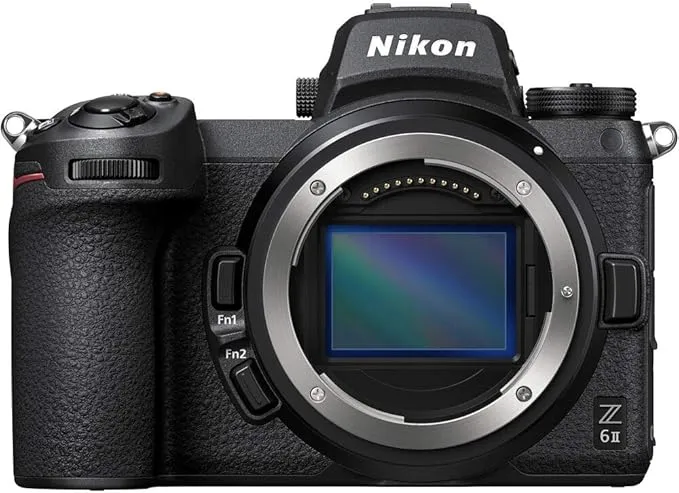
The Z6 II is Nikon’s advanced full-frame mirrorless, featuring a 24.5MP BSI CMOS sensor with excellent dynamic range and low-light capability. It supports 4K/60fps, 10-bit HDMI output, dual card slots, and dual processors, ideal for commercial video, short films, and documentaries.
It retains Nikon’s familiar control layout and Z-mount lens system, producing natural, rich images with broad tonal latitude.
💰 Price: $1,800 - $2,000 (body only)
💡Key highlights:
- Full-frame sensor with superb shadow detail
- 4K/60fps recording and 10-bit external output
- Dual card slots and dual EXPEED 6 processors
- Advanced autofocus and stabilization
- Expandable system suitable for professional workflows
🎯 Best for: High-end content creators, commercial video, short films, professional workflows
📌Limitations: High price and complexity, not beginner-friendly
Its premium features and cost are geared toward experienced users with established video workflows.
FAQs
1. What’s the best video recording device for beginners starting YouTube or podcasting?
For beginners, a high-quality webcam like the Logitech C920 or NearStream VM20 is often the best video recording device. They’re plug-and-play, budget-friendly, and work great for livestreams, virtual meetings, and simple content creation.
2. Are there portable video recorders suitable for outdoor content or vlogging?
Yes! Devices like the Canon Vixia HF R800 and Sony AX43 are excellent portable video recorders. They combine compact design with features like optical zoom and built-in stabilization, making them ideal for vlogging or filming on the move.
3. Do video recorders with mic input perform better than those with built-in microphones?
Absolutely. While some video recorders with mic offer decent built-in audio (like the Sony ZV-E10’s directional mic), using a recorder with external mic input—such as the Panasonic GH5—will significantly improve sound quality, especially for interviews, tutorials, and voiceover content.
4. What is the difference between webcams and other video recording equipment like DSLRs or camcorders?
Webcams are great for static setups (e.g., live streaming, remote teaching), while video recording equipment such as DSLRs or digital camcorders provide superior image quality, lens flexibility, and advanced controls for more serious production needs.
5. Which is the best video recording camera for both online teaching and content creation?
The Sony ZV-E10 is often considered the best video recording camera for hybrid creators. It balances pro-grade image quality with user-friendly features, supports external audio, and functions as a webcam via USB—perfect for YouTube, Zoom, or recording classes.
6. Is it worth investing in professional video recording devices for casual content?
If you're aiming for growth, yes. While casual creators can start with simple gear, upgrading to professional video recording devices like the Canon M50 Mark II or Panasonic GH5 will enhance content quality, viewer retention, and brand perception over time.
7. Can I use a DSLR or mirrorless camera as a video recorder with mic support?
Definitely. Many DSLRs and mirrorless cameras support external microphones, making them powerful video recorders with mic capability. Pairing them with a shotgun or wireless mic system boosts audio quality to match their cinematic visuals.
You May Also Like:




















 sales@nearstream.us