Turning Town Halls into Internal Podcasts: A Guide to Asynchronous Leadership
This guide outlines how organizations can transform traditional, poorly attended town hall meetings into engaging internal podcasts, enabling asynchronous leadership and enhancing employee engagement.
internal podcast
town hall
audio quality
Updated: Feb 26, 2026 · 8 minutes read
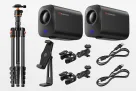
Modular Video Kits for Growing Business.
By The Internal Comms TeamEstimated Reading Time: 13 Minutes
Your employees have "Dead Time"—commuting, cooking, walking the dog. They want to consume content during these times, but they can't watch video. They need Audio.
However, you cannot just rip the audio from a Zoom recording and call it a podcast.
The audio is echoey.
The volume fluctuates.
It sounds like a "surveillance tape," not a show.
To turn meetings into assets, you need Broadcast Fidelity.
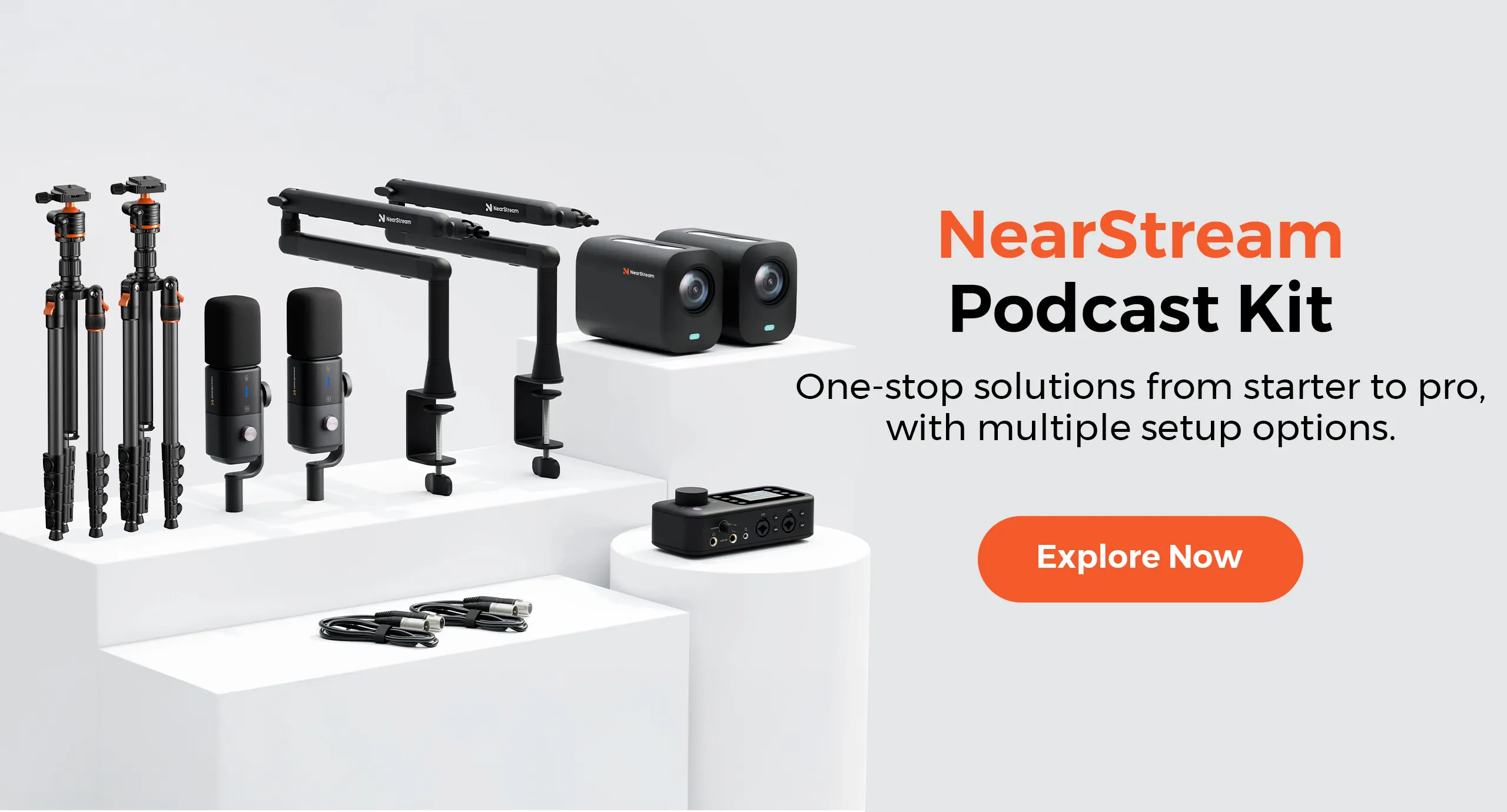
This guide analyzes why High-Quality Audio is the key to unlocking Asynchronous Leadership and how the PodKit Kit makes it possible without a dedicated studio.
The monthly "Town Hall" or "All-Hands" meeting is the heartbeat of corporate culture.
The CEO shares the vision. The Product Lead demos the roadmap. The energy in the room is high.
But then the meeting ends.
You upload the Zoom recording to SharePoint or the Intranet.
And nobody watches it.
The analytics are brutal:
Live Attendance: 60%.
Replay Views: \<5%.
Average Watch Time: 3 minutes.
Why? Because watching a 60-minute video of a talking head is painful. Employees are busy. They cannot stare at a screen for an hour just to catch up on updates.
The Opportunity: The Internal Podcast
The "Content Graveyard" of Bad Audio
Before we discuss gear, we must address why your current recordings fail.
There is a massive psychological difference between Video Tolerance and Audio Tolerance.
The "Grainy Video" Pass:
We will watch a blurry video if the content is good. Our brains can fill in the visual gaps.
The "Bad Audio" Wall:
We will not listen to bad audio.
Echo (Reverb): Makes the brain work harder to decode speech. It causes "Listening Fatigue" within 5 minutes.
Noise (Hiss): The background hum of AC or laptops creates a subconscious stress response.
The Result:
If you publish a Town Hall as a podcast and the audio is bad, employees will turn it off immediately.
You haven't created a knowledge asset; you've created digital junk.
To create an Internal Podcast that people actually finish, the audio must be "Dry" and "Intimate."
The Three Tiers of Internal Comms Gear
When an Internal Comms team wants to upgrade their production, they usually look at three categories. Most are unsuited for the modern, agile office.
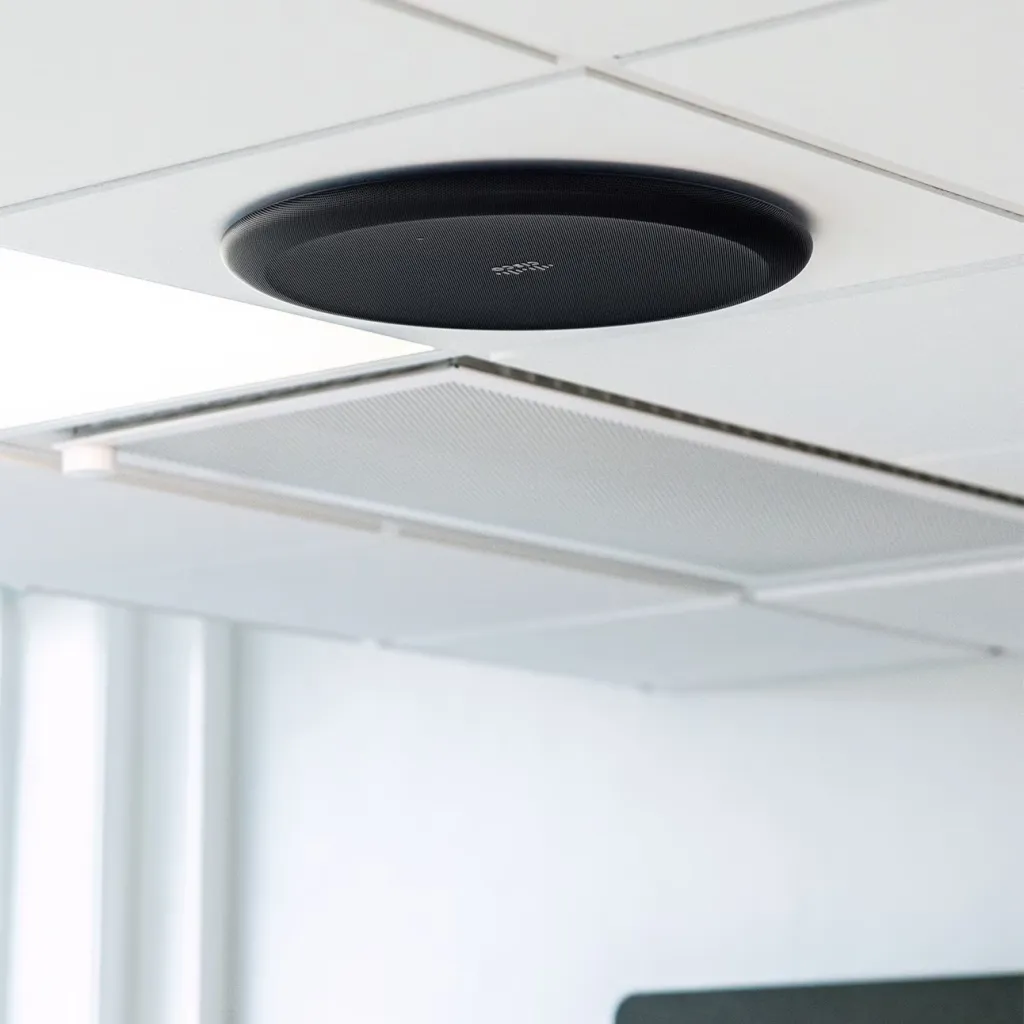
Option A: The "Ceiling Mic" (The Conference Room Special)
Examples: Ceiling arrays, Polycom spiders.
The Vibe: "I am shouting from the back of the room."
Pros: Captures everyone.
Cons:Zero Intimacy. It captures the room echo, the chair squeaks, and the HVAC. It is impossible to listen to for 45 minutes on headphones.
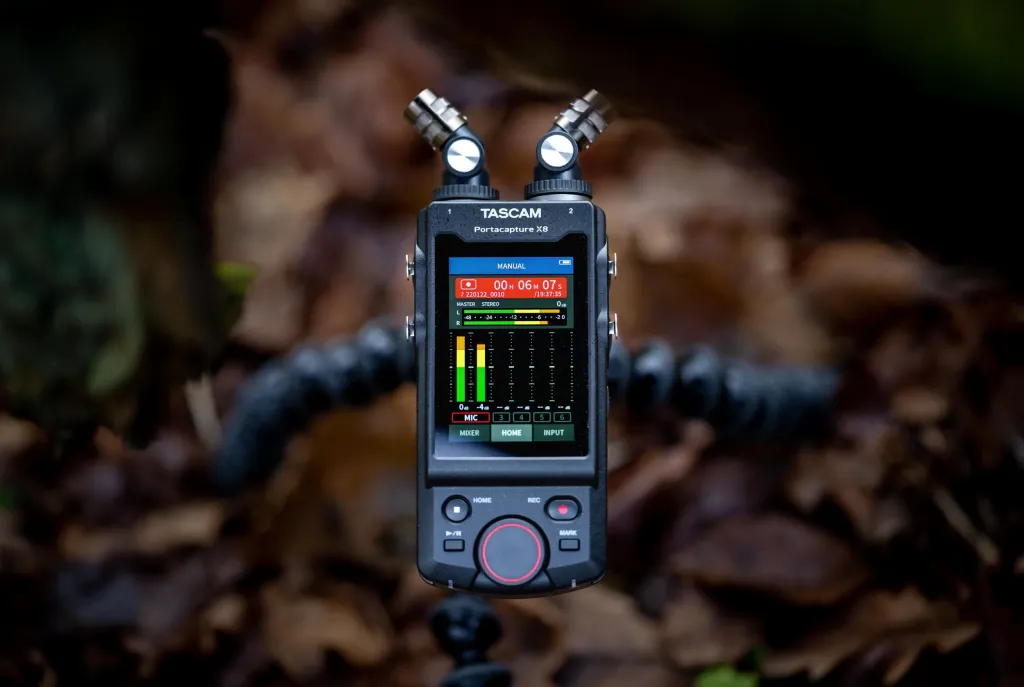
Option B: The "Handheld Recorder" (The Journalist)
Examples: Zoom H4n, Tascam.
The Vibe: "I am doing an investigation."
Pros: Good quality.
Cons:Workflow Nightmare. You have to record to an SD card, transfer files, sync with video, and worry about batteries dying. It adds 2 hours of work to every Town Hall.
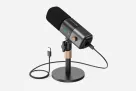
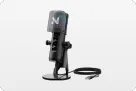
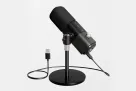
Option C: The "Desktop Studio" (The PodKit AM25X)
Examples: NearStream AM25X (Included in PodKit Kits).
The Vibe: "This is a Radio Show."
Pros:Direct-to-Laptop. It captures studio-quality "Dry Signal" directly into your Zoom or recording software. No file transfer. No echo.
📊 Table 1: The "Repurposing" Potential
Source Audio
Listenability (Commute)
Editing Required
Asset Value
Ceiling / Laptop Mic
❌ Painful (Echoey)
🔧 Heavy (Impossible to fix)
🗑️ Low (One-time use)
Handheld Recorder
✅ Good
🔧 Medium (Syncing files)
⚠️ Medium (High effort)
PodKit AM25X
✅ Broadcast (Radio quality)
✨ Zero (Ready to publish)
💎 High (Evergreen)
Deep Dive: The "Dry Signal" Requirement
If you want to create an Internal Podcast, you need to understand one technical concept: The Dry Signal.
What is it?
A "Dry Signal" is a recording of the voice only, with zero room echo or background noise.
A Dry Signal is "Evergreen." You can edit it, cut it into clips for Slack, or speed it up to 1.5x without it sounding robotic.
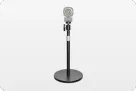
The PodKit AM25X Microphone is engineered to deliver this Dry Signal in imperfect environments (like an open office).
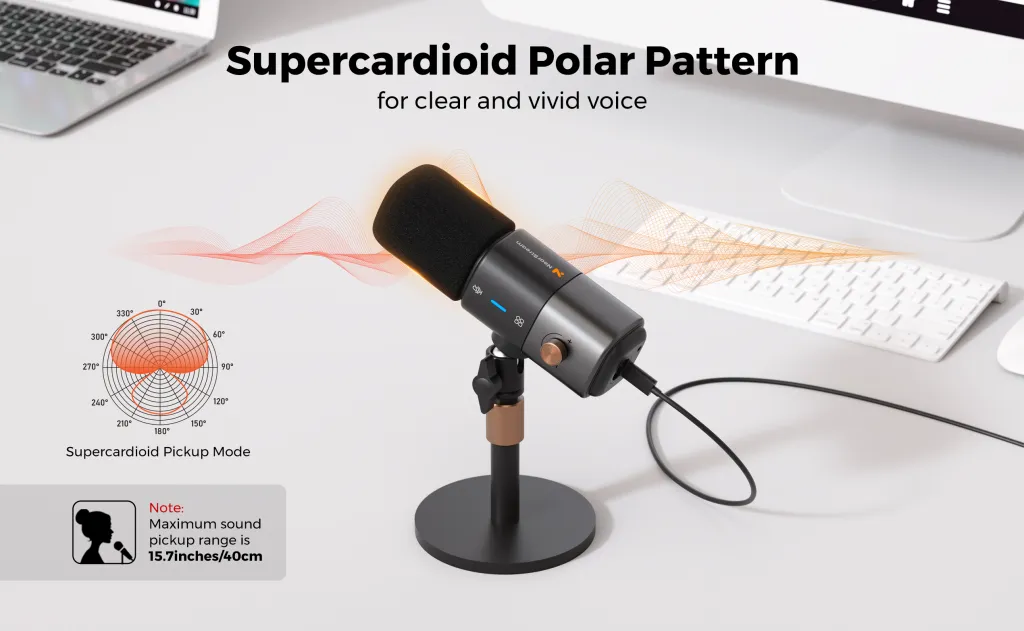
1. Cardioid Directionality (The "Laser Focus")
The AM25X uses a tight Cardioid Polar Pattern.
What it does: It listens only to the front (the speaker) and rejects sound from the sides and rear (the office).
The Benefit: You can record a CEO interview in the middle of a busy office floor. The microphone will ignore the sales team on the phone 10 feet away and focus entirely on the CEO. This means No Post-Production Noise Removal is needed.
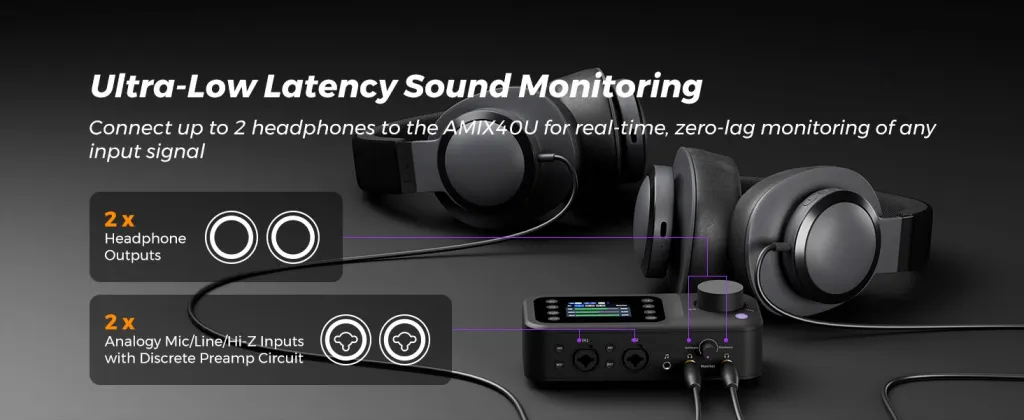
2. Zero-Latency Monitoring (The "Confidence Check")
The Problem: When recording, if you can't hear yourself, you drift off-mic or speak inconsistently.
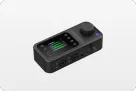
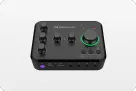
The PodKit Solution: The AMIX40U Mixer allows the host to plug in headphones and hear exactly what the "Tape" is hearing.
The Benefit: The host creates a consistent, leveled recording that doesn't need volume automation later.
The Solution: PodKit as the "Internal Media Engine"
How do you actually deploy this?
The PodKit Kit enables a workflow we call "Record Once, Publish Everywhere."
Use Case 1: The Town Hall
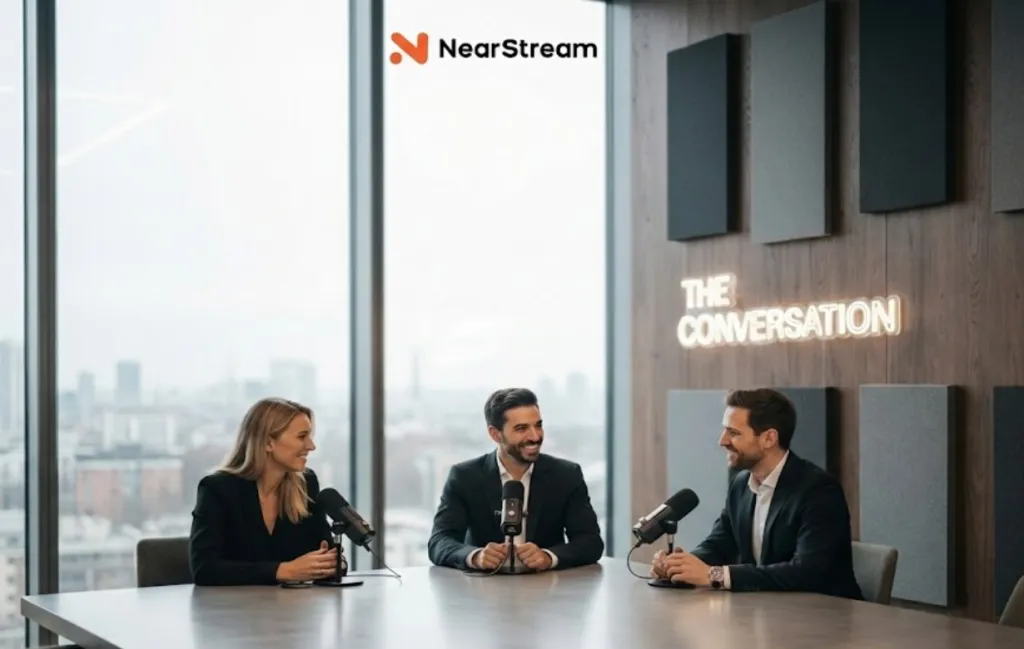
Setup: CEO speaks into the AM25X Mic.
Outcome: The live Zoom call has great audio.
The Repurpose: Because the source audio is "Dry" and clear, you simply export the MP3, add a generic intro music track, and upload it to your internal podcast feed (Spotify for Business / Storyboard).
Result: Employees listen on their drive home. Engagement goes up 300%.
Use Case 2: The "Expert Series" (Knowledge Capture)
Setup: A Senior Engineer is retiring. You want to capture their knowledge.
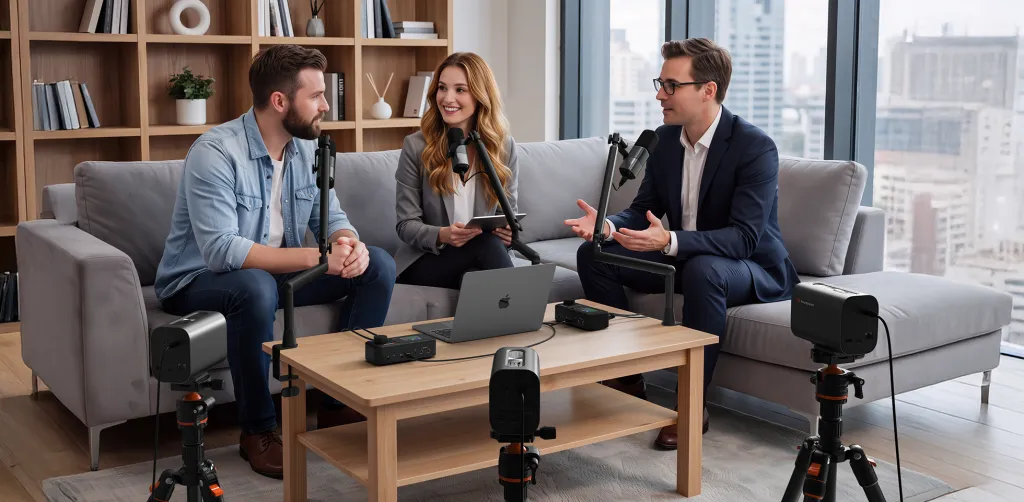
Action: Set up the PodKit Duo (2 Mics) in a quiet huddle room. Record a 45-minute "Exit Interview."
Outcome: You have a pristine, radio-quality asset that new hires can listen to during onboarding.
📊 Table 2: The "No-Edit" Workflow
Step
Standard Workflow
PodKit Workflow
Recording
Laptop Mic (Picks up noise).
AM25X (Rejects noise).
Post-Production
🔧 3 Hours (Trying to remove hiss/echo).
✨ 0 Hours (Ready to use).
Distribution
"Watch the video." (Nobody does).
"Listen on your commute." (High uptake).
The ROI of Asynchronous Listening
Investing in a PodKit Kit is not just buying microphones; it is buying Employee Attention.
🎓 The Commuter Classroom
The average commute is 25 minutes. That is 50 minutes a day of potential learning.
If you provide high-quality audio, you turn that downtime into Upskilling Time.
Product updates.
Leadership philosophy.
Cultural values.
❤️ The Inclusion Signal
Audio is inclusive. It allows parents cooking dinner, commuters driving, and gym-goers to stay connected to the company mission without being tethered to a laptop.
Providing broadcast-quality audio signals: "We respect your time. We want you to consume this when it works for you."
FAQ: Internal Podcasting with PodKit
Q: Do we need a soundproof studio to start an internal podcast?
A: No. That is the point of the AM25X. Its Cardioid Pickup Pattern and Vocal Enhancement allow you to record in a standard meeting room or even a quiet corner of an open office. It brings the studio to you.
Q: Can we use the AMIX40U mixer with Microsoft Teams?
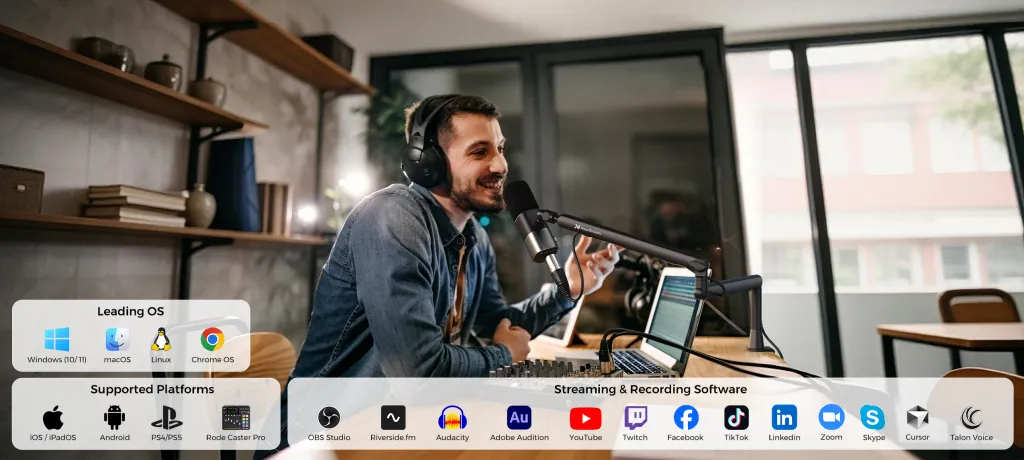
A: Yes. The AMIX40U appears as a standard audio device. You can use it to record directly into Teams, Zoom, or simple software like Audacity or GarageBand.
Q: How do we distribute the audio files securely?
A: Most companies use secure platforms like SharePoint, Vimeo (Audio Mode), or private podcast hosts like Storyboard or uStudio. The PodKit Kit creates the high-quality MP3/WAV files that these platforms require.
Q: Is the AM25X complicated for executives to use?
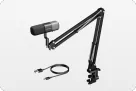
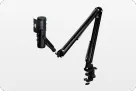
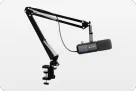
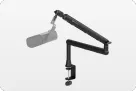
A: No. It is "Plug-and-Play." Once set up on the ST20 Boom Arm, the executive just sits down and talks. There are no menus to navigate on the microphone itself.
Conclusion
The era of "Video Only" corporate comms is ending.
The future is Hybrid: Video for the live event, Audio for the long-tail consumption.
But this strategy only works if the audio is good.
If you record garbage, you archive garbage.
The PodKit Kit is the bridge. It ensures that every word spoken by your leadership team is captured with the clarity, warmth, and authority it deserves—ready to be listened to, learned from, and leveraged for years to come.































 sales@nearstream.us