






























































Curious about how much money YouTubers actually make — and how you can do the same? Whether you’re just starting or already building a fanbase, this guide will help you understand how YouTube monetization works in 2025. From ad revenue to affiliate marketing and beyond, we’ll break down every income stream, bust common myths, and show you what it really takes to turn views into dollars. Let’s dive in!
How Much Do YouTubers Really Make in 2025?
The short answer? It depends — a lot. In 2025, YouTuber earnings vary widely based on niche, audience size, engagement rate, content type, monetization methods, and geographic location. Some creators earn a few hundred dollars per month, while others generate six or even seven figures annually. So the better question is: What factors shape a YouTuber’s income potential?
🔑Key Factors That Impact YouTube Income
Factor | Why It Matters | Example |
|---|---|---|
Niche | CPM varies by topic: Finance > Education > Lifestyle > Vlogs | Finance creators may earn $15+ CPM, vlogs often $2–4 |
Audience Location | Ad rates differ by country/region | U.S. and Canadian viewers bring higher CPM |
Watch Time & Engagement | More views, longer sessions, better engagement = better pay | Videos with comments, shares, and replays perform better |
Monetization Methods | Ads, sponsorships, memberships, merch — more streams = more $ | Multi-income creators earn more per view |
Upload Frequency | More content = more opportunities to earn | Daily creators often see steadier monthly income |
In 2025, being a YouTuber is a legitimate business — but it’s not easy money. The most successful creators build multiple income streams and treat their channel like a brand. Whether you’re aiming for $500/month or $500,000/year, your earning potential starts with knowing what drives revenue — and how to take control of it.

How Does YouTube Pay Creators?
YouTube’s payment system is built on a model of shared advertising revenue. In other words, creators earn a portion of the money advertisers pay YouTube to display ads on videos. This process is handled primarily through the YouTube Partner Program (YPP) — once you’re in, you can start earning from views, but also from features like Super Chats, Channel Memberships, and YouTube Premium.
Revenue Stream | Description |
|---|---|
Ad Revenue (AdSense) | Earnings from ads placed on or around your video |
YouTube Premium Share | Portion of Premium users' watch time attributed to your content |
Super Chat & Stickers | Tips from viewers during livestreams |
Channel Memberships | Monthly payments from fans for exclusive content |
Merchandise Shelf | Product sales directly integrated into your channel |
YouTube Shorts Revenue | New monetization model for Shorts creators via ad revenue share |
YouTube doesn’t pay you “per subscriber” or “per like.” It pays you based on real engagement, advertiser demand, and monetization settings. The more valuable your content is to advertisers and viewers, the more you’ll earn. That’s why understanding how YouTube pays is the first real step toward making consistent income on the platform.
CPM, RPM, and Views: Understanding the Numbers
If you want to make money on YouTube, you need to go beyond just watching your view count rise. You need to understand how views translate into dollars — and that means getting familiar with three essential metrics: CPM, RPM, and Monetized Playbacks.
Metric | Definition |
|---|---|
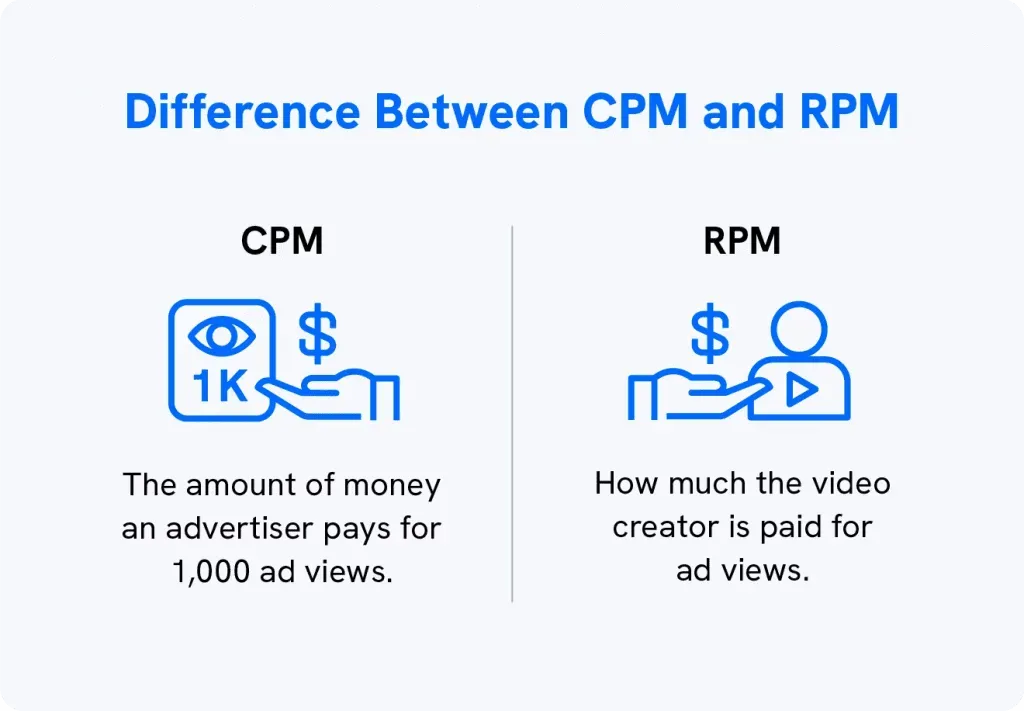
CPM (Cost Per Mile) | How much advertisers pay per 1,000 impressions |
RPM (Revenue Per Mile) | Your actual earnings per 1,000 total video views |
Views | Total number of times your video is watched |
Monetized Playbacks | Views where an ad was served, triggering payment |
CPM ≠ RPM
You might hear a creator say, “My CPM is $20!” But that doesn’t mean they’re earning $20 per 1,000 views. After YouTube takes its 45% cut, and after adjusting for non-monetized views, the actual RPM might be closer to $4–$8. That’s still good — but not as glamorous as the CPM figure might suggest.
YouTube Revenue Calculation Formula (Simplified Version)
Advertising revenue ≈ Monetized Views × (RPM ÷ 1000)
Understanding the relationship between CPM, RPM, and views is key to realistic income expectations. Not every view equals a dollar — in fact, most don’t. But by creating valuable, advertiser-friendly content and optimizing for monetization, you can significantly raise your RPM and start earning consistently.
How Much Does YouTube Pay per Subscriber?

Let’s set the record straight: YouTube does not pay you for subscribers. You could have 1 million subscribers and still earn very little — or have 10,000 subscribers and make thousands per month. What really matters is how many people actually watch your content, for how long, and how engaged they are.
Why the “Subscriber = Income” Myth Exists
This belief likely comes from influencer marketing on platforms like Instagram or TikTok, where follower count often determines brand deals. But YouTube works differently: ad revenue and watch time matter far more than vanity metrics.
What Really Impacts YouTube Income
Metric | Description | Directly Impacts Income? |
|---|---|---|
Subscriber Count | Number of people who clicked “Subscribe” | ❌ No |
Video Views | How many people watched your content | ✅ Yes |
Watch Time & Retention | How long viewers stay & rewatch | ✅ Yes |
Monetized Ad Impressions | Number of ads actually shown | ✅ Yes |
Audience Engagement | Likes, comments, and shares | ✅ Indirectly |
Subscribers give you credibility and increase your chances of showing up in someone’s feed — but they are not a revenue metric. Focus on making content that drives watch time, ad engagement, and loyalty. A small but active audience can be incredibly profitable.
How to Monetize YouTube Videos (Step-by-Step)
If you’re ready to make money on YouTube, you’ll need to officially enable monetization through the YouTube Partner Program (YPP). Below is a full breakdown of the process — from eligibility requirements to activating ads on your videos.
✅ Step 1: Meet the Requirements
Before you can monetize, you must meet the following criteria (2025 updated):
Requirement:
1,000 subscribers
4,000 watch hours (in 12 mo)
2-step verification enabled
No community guideline strikes
⚠️ Shorts Creators: The alternative condition can be fulfilled by getting 10 million Shorts plays from 1,000 subscribers in the last 90 days.
✅ Step 2: Apply to Join YPP
Go to YouTube Studio → Monetization tab
Follow prompts to review and accept YouTube’s Partner Terms
Set up a Google AdSense account and link it to your channel
Step 3: Wait for Channel Review
YouTube will manually review your channel to ensure your content aligns with monetization policies. This can take a few days to a couple of weeks.
Step 4: Turn On Monetization for Your Videos
Once approved, you can go into each video and choose the ad formats you want
Step 5: Optimize for Better Ad Performance
Starting an advertisement doesn't mean you'll have a high income immediately. You still need:
Publish regularly to keep RPM steady
Make 8+ minute videos to qualify for mid-roll ads
Focus on audience retention & watch time
Attract high-value audiences (e.g., U.S. viewers, niche interests)
Beyond Ads: Other Ways YouTubers Make Money
While ad revenue is the most well-known income stream on YouTube, the smartest creators treat it as just one piece of a larger monetization puzzle. In fact, many full-time YouTubers earn more outside the platform’s built-in systems — through brand deals, product sales, fan support, and even their own businesses.
YouTube monetization in 2025 is not just about ad revenue. Successful creators are diversifying their income streams to reduce risk and scale faster. Think beyond YouTube’s built-in features — your creativity, knowledge, and community are all monetizable assets.
How Much Can Small YouTubers Make?
Contrary to popular belief, you don’t need millions of subscribers to start making money on YouTube. In fact, many creators with fewer than 10,000 subscribers are already generating consistent income — sometimes even more than larger channels with disengaged audiences. The key lies in strategy, not size.
Subscriber Count | Common Income Sources | Estimated Monthly Earnings | Notes |
|---|---|---|---|
500–1,000 | Affiliate links, livestream tips | $10 – $200 | Leverage Shorts for rapid exposure |
1,000–5,000 | AdSense, early sponsorships | $100 – $500+ | Eligible for YouTube Partner Program |
5,000–10,000 | Ads, affiliate, digital products | $300 – $2,000 | Start selling courses or ebooks |
10,000–50,000 | Full monetization stack | $500 – $5,000+ | Consider merch or memberships |
Tips for Small Channels
Use Shorts to grow fast — even small channels can go viral with short content
Add affiliate links in your video description — it costs viewers nothing, but earns you passive income
Launch a digital product (PDF, Notion template, tutorial) as early as possible
Engage in every comment — YouTube prioritizes channels with strong community activity
Top-Earning YouTubers: What We Can Learn
Who Are the Highest-Paid YouTubers in Recent Years?
Creator | Niche | Estimated Annual Income | Key Revenue Streams |
|---|---|---|---|
Challenge / Entertainment | $80M+ | Brand deals, merch, MrBeast Burgers, AdSense | |
Kids / Toy Reviews | $30M+ | Licensing, toy brand, ads | |
Gaming / Horror | $35M+ | Ads, brand partnerships, live events | |
Gaming / Lifestyle | $20M+ | Minecraft servers, courses, merch |
Common Patterns Among Top Creators
Diversified Revenue Streams
Advertising is just the starting point. Most of them have built their own products, courses, apps, podcasts, and even offline brands.
Strong Brand Identity
Whether it's the logo, style, catchphrases or visual tone, they all enhance the personal brand recognition.
High Production or High Frequency
Either the content is well-made or the update frequency is extremely high, but it will never be "mixed editing plus padding".
Community Building
Regular interaction, live streaming, and welfare rewards enable fans to "transform from spectators to supporters".
Think Like a Business
They are not merely content creators, but ceos, producers, and operation managers, and most of them have complete teams behind them.
What can we learn?
Even if you're just starting, you can apply the same thinking:
Start building your brand early — consistent visuals and tone
Offer something beyond YouTube — e.g., a digital download, a mailing list, a private group
Don’t wait for millions — monetize early, test, and refine
Create with intention — think about your niche, audience, and value every upload brings
Common Misconceptions About YouTube Monetization
❌ Myth 1: More Subscribers = More Income
Reality: YouTube pays based on watch time, ad engagement, and monetized views — not subscriber count. A channel with 2,000 loyal viewers can outperform one with 100,000 inactive subs.
❌ Myth 2: Every View = Money
Reality: Not every view serves an ad, especially if the viewer has Premium, uses an ad blocker, or leaves early. What matters are monetized playbacks, not total views.
❌ Myth 3: Shorts Don't Pay Creators
Reality: As of 2023, YouTube added ad revenue sharing for Shorts, making it possible to monetize short-form content — especially for fast growth channels.
❌ Myth 4: You Need Expensive Gear to Make Money
Reality: Many successful creators started with just a smartphone. What really matters is content quality, storytelling, and clear audio. That said, investing in the right gear can help you scale.
Nearstream Tip:
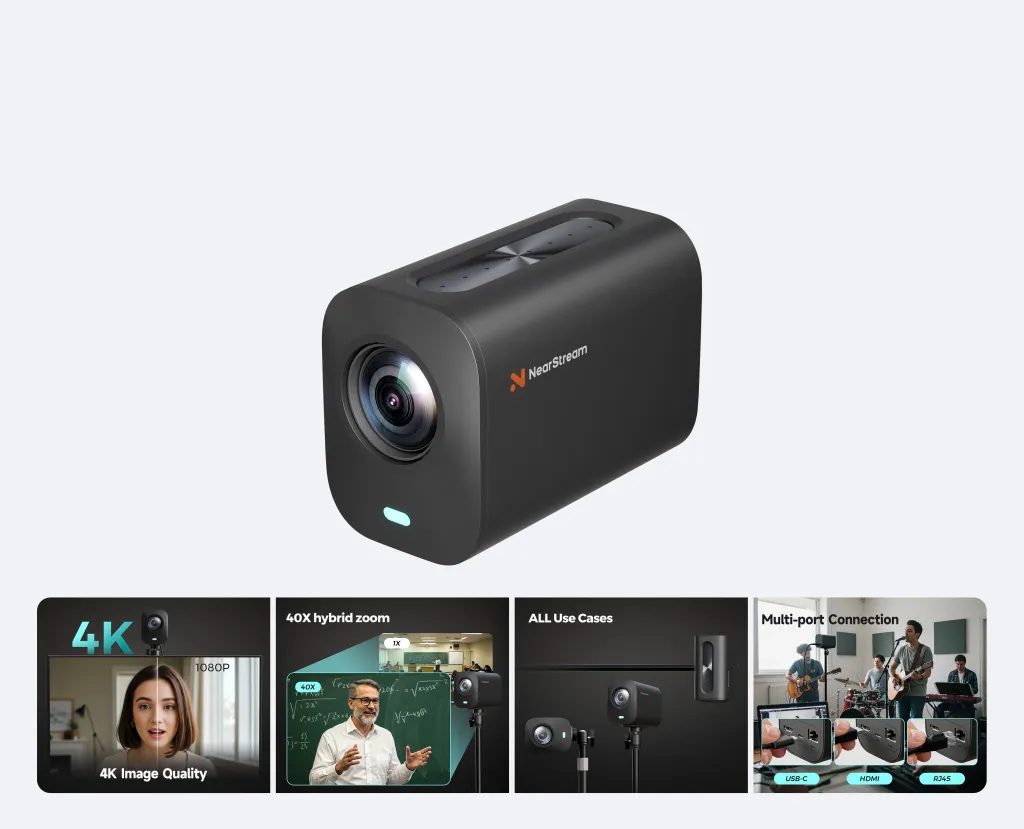
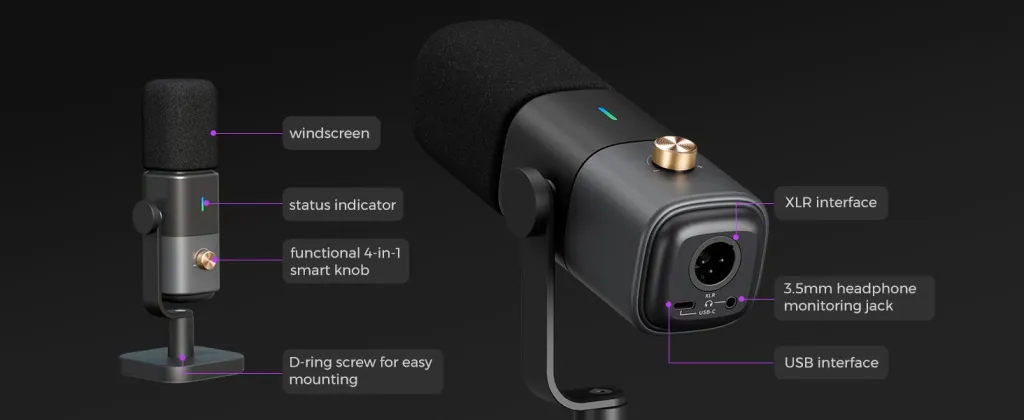
Want to elevate your content without breaking the bank? A setup with the VM20 streaming camera(most affordable 4k camera) and AM25X condenser microphone gives you studio-level clarity without the studio price — perfect for creators ready to upgrade.
❌ Myth 5: Once Ads Are On, You’re Set
Reality: Turning on ads is the beginning — not the end. You also need to optimize for retention, mid-roll placement, content cadence, and viewer engagement to earn well.
❌ Myth 6: YouTube’s Algorithm Randomly Kills Channels
Reality: The algorithm is behavior-driven. If your click-through rate, watch time, and engagement drop, so will your visibility. Focus on your metrics, not conspiracies.
🔁 From Passion to Profit: Building a Channel that Pays You Back
Behind every successful YouTube creator is a combination of creativity, strategy, and patience. While viral hits help, long-term success comes from treating your channel like a business — even if it starts as a passion project.
Passion Is the Foundation
You’ll need passion to power through the slow starts, the algorithm changes, and the inevitable plateaus. It’s what fuels your consistency and keeps your message authentic. Passion is your creative compass — but it can’t be the whole plan.
But Profit Needs a Plan
Once you have consistency and clarity, you need structure:
Define your niche: Don’t try to be everything to everyone — know your value
Diversify your monetization: Start with ads, then grow into affiliate, merch, or Patreon
Track performance: Use YouTube Analytics to test, improve, and pivot when needed
Invest smartly: Upgrade your tools gradually — better audio, stable visuals, stronger branding
Final Thoughts: Think Like a Creator, Act Like an Entrepreneur
YouTube in 2025 is more accessible than ever — but also more competitive. Your edge will come from strategy, systems, and self-awareness. If you treat your channel like a brand and your audience like a community, then every video you make is an investment in your long-term success.








 sales@nearstream.us