How to Make an Ad in 2025: A Complete Guide for Digital Campaigns
A converting ad is one that aligns with viewer intent.
make advertisement
create commercial ads
Updated: Feb 24, 2026 · 8 minutes read
Modular Video Kits for Growing Business.
What Makes a Good Ad? Understanding the Basics
A great ad is more than a flashy video or clever tagline — it’s a strategic piece of communication designed to do one thing: move the audience to act. Whether it’s buying a product, signing up, remembering a brand, or simply clicking a link, the best ads combine creativity with clarity and purpose.
🌟 Core Components of a Strong Advertisement
Clarity:The message should be simple and easy to understand
Emotion:Tap into feelings — humor, fear, inspiration, nostalgia
Relevance:It must speak to your target audience’s needs or desires
Call to Action (CTA):Don’t leave them hanging — tell them what to do next
Optimal Commercial Length for Different Platforms
Length matters — a lot. While you might think longer ads tell a fuller story, most audiences aren’t patient enough to watch a 60-second spot unless it’s incredibly compelling. Each platform has its own ideal runtime:
Platform
Recommended Length
Why It Works
YouTube
15–30 seconds (skippable), 6 seconds (bumper)
Allows quick impact before user skips
Instagram/Facebook
15 seconds or less
Matches feed scroll behavior
TV Commercials
30 or 60 seconds
More forgiving runtime for storytelling
TikTok
10–20 seconds
Native content style; too long = drop-off
Streaming Platforms (Hulu, etc.)
15–30 seconds
Standard pre-roll/post-roll ad formats
📌 Rule of Thumb: If you can't hook them in the first 5 seconds, you’ve already lost them. So the first five minutes are very important!
How to Create Ads: Step-by-Step Guide for Beginners
Creating a professional ad might seem intimidating, but it’s absolutely achievable — even if you’re a solo creator or small business. Here’s a beginner-friendly roadmap:
Step 1: Define the goal
Before you write a script or pick up a camera, you need clarity. Are you trying to:
Drive purchases?
Generate awareness?
Increase website traffic?
Build brand recall?
Your entire message — visuals, tone, duration — should align with that one goal. A “conversion” ad will feel different from a “brand awareness” ad.
Step 2: Know your audience
You can't speak to everyone — so define your niche. Who will most likely buy your product or engage with your service?
Build a profile:
Age, location, lifestyle
What platforms they use (YouTube? TikTok? TV?)
What type of content resonates with them
What problem your product solves for them
Step 3: Write a script
Whether you're doing a voiceover or dialogue, write like you're speaking to one person, not a crowd. Focus on:
Grabbing attention in the first 3–5 seconds
Avoiding buzzwords or corporate-speak
Keeping sentences short and punchy
Including a clear CTA (“Try this free,” “Visit now,” “Learn more”)
Step 4: Plan the visuals and scenes
Even if you’re filming on a phone, don’t wing it. Build a basic storyboard or shot list:
What does each shot need to communicate?
Are you showing people using the product?
Do you need a location or props?
Will you speak directly to camera or use narration?
Step 5: Film with the right gear
Modern smartphones are capable — but lighting, stabilization, and audio matter more than resolution. That’s where simple upgrades help:
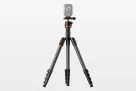
Use a tripod or gimbal to avoid shaky footage
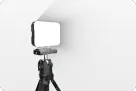
Use natural light or LED panels to prevent dark, flat visuals
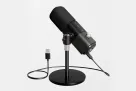
Use a quality microphone for clear voice
Step 6: Edit for speed, clarity, and punch
Good editing keeps the viewer engaged. Focus on:
Tight pacing — no filler shots
Using on-screen text or captions for silent viewers
Adding royalty-free music for mood
Keeping the total runtime platform-appropriate (e.g., <30s for YouTube skippable ads)
Step 7: Add a strong CTA
Don’t let a good ad fall flat by skipping the CTA. Whether it’s “Buy now,” “Subscribe,” or “Visit our website,” you need to tell the viewer what happens next — and why.
Start with a single platform, like YouTube or Instagram. Make one strong ad — then test, iterate, and build from there. Don’t aim for perfection — aim for clarity and action.
TV Commercial Ads vs Digital Ads: What’s the Difference?
In today’s fragmented media landscape, businesses face a critical choice: go traditional with TV commercials, or invest in digital video ads on platforms like YouTube, TikTok, or Instagram. Both have unique strengths and use cases — and understanding the difference can save you thousands in ad spend.
What Are TV Commercial Ads?
TV commercials refer to professionally produced, scheduled spots that air during commercial breaks on television — whether on local networks or national channels.
Typical Features:
Fixed schedule and placement (e.g., during primetime news)
High production standards (often cinematic quality)
Expensive airtime
Broad, less targeted audience reach
What Are Digital Video Ads?
Digital ads refer to online video ads distributed through platforms like YouTube, Facebook, Instagram, or programmatic ad networks. These can be skippable or non-skippable, placed before/during/after video content, or even shown as in-feed native videos.
Typical Features:
Targeted by interests, age, location, search history
Lower production and distribution cost
Flexible testing, analytics, and optimization
Measurable results (views, clicks, conversions)
Feature
TV Commercial Ads
Digital Video Ads
Audience Targeting
Broad, mostly demographically segmented
Highly targeted by interest & behavior
Cost
High (airtime + production)
Low-to-medium (flexible spend)
Measurement
Nielsen ratings, less granular
Real-time metrics (views, CTR, ROI, etc.)
Flexibility
Requires advance booking and fixed airing
Can launch or pause instantly
Format Variety
15, 30, or 60-second pre-set formats
Skippable, in-feed, short-form, bumper, etc.
Best For
Brand prestige, mass reach, large campaigns
Direct-response, targeting, agile marketing
So Which Should You Choose?
➡️ Choose TV Commercials if...
You have a large budget and want prestige or mass visibility
You're launching a national product or campaign
You're working with an agency or media buyer
➡️ Choose Digital Ads if...
You want performance tracking and cost control
You're targeting specific customer groups
You're starting small and want to scale with data
How to Make a Commercial That Captures Attention
Key Ingredients of an Attention-Grabbing Ad
Start With a Visual or Emotional Hook
Grab attention with movement, bold visuals, humor, surprise, or an emotional cue.
Ask a Relatable Question or Present a Problem
“Ever feel like your meetings are never productive?”
Use Quick Cuts and Pacing
The brain is wired to react to novelty. A fast-paced edit or unexpected visual keeps attention high.
Introduce the Product Fast — But Naturally
Don’t wait till the end to mention your product. But don’t make it feel forced either. Integrate it into the narrative.
Use On-Screen Text for Silent Viewers
Many users watch without sound. If your ad doesn’t work on mute, it doesn’t work.
Deliver the CTA Before They Skip
Make sure your call to action appears before the “Skip Ad” button (around 5 seconds on YouTube). That means your key message must come early.
Pro Examples (and What They Did Right)
Apple’s "Shot on iPhone" series
Starts with stunning visuals → immediately shows product use → ends with brand message.
Dollar Shave Club launch ad
Starts with humor + bold claim → keeps the viewer laughing → inserts product details naturally.
The Role of Commercial Spots in Modern Marketing
In traditional advertising, a “commercial spot” refers to a reserved time slot during a television broadcast in which a commercial is aired — typically 15, 30, or 60 seconds long. But in the age of digital and on-demand content, the definition and strategic use of commercial spots have evolved dramatically.
What a “Commercial Spot” Means Today
Today, commercial spots aren’t just about when an ad airs — it’s about where, how, and in what context your ad appears. Whether on TV, YouTube, or a streaming platform like Hulu or Peacock, advertisers now consider:
Placement: Pre-roll, mid-roll, or post-roll?
Platform behavior: Is it binge content? Mobile-heavy?
Viewing environment: Sound on/off, full-screen vs scroll feed
Skippability: Can users skip? Is the spot mandatory?
📺 Traditional TV Spots: Still Relevant, But Selective
TV commercial spots remain relevant for:
National campaigns targeting mass audiences
Events with guaranteed viewership (e.g., Super Bowl, Olympics)
Prestige branding for legacy or high-trust industries (automotive, finance, healthcare)
❌ But the downside?
Expensive
Hard to measure direct ROI
Zero flexibility once booked
📱 Digital “Spots”: Flexible, Measurable, Powerful
Digital platforms like YouTube, Meta (Facebook/Instagram), and programmatic DSPs have created a new version of “commercial spots” — one that’s:
Personalized (based on user data)
Contextual (shown before relevant content)
Dynamic (changed in real time based on performance)
Mistakes to Avoid When Creating Your First Advertisement
❌ Mistake #1: Trying to Say Too Much
The more you explain, the more you lose people. Focus on one clear message per ad.
❌ Mistake #2: No Hook in the First 5 Seconds
You’re competing with TikTok, cat videos, and email notifications. If the viewer isn’t interested in the first few seconds, they’re gone.
❌ Mistake #3: Overproducing (Or Underproducing)
Overproduced = sterile and insincere. Underproduced = hard to watch. You need balance — polished but human.
❌ Mistake #4: Forgetting the CTA
No matter how great your video is, if you don’t tell viewers what to do next — they won’t do it.
Tools That Can Help You Make Better Ads (Cameras, Mics & More)
Area
Budget-Friendly Tip
Camera
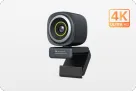
Use a modern smartphone or streaming camera with 4K or 1080p video; upgrade later as needed
Audio
Invest in a decent mic early — audio impacts perceived quality
Lighting
Use natural light or affordable LED ring lights
Editing
Use free tools like CapCut, DaVinci Resolve, or Canva for simple edits
Talent
Use yourself, friends, or customers as actors — authenticity often beats polish
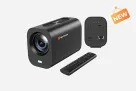
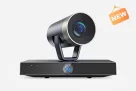
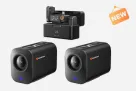
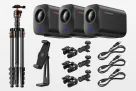
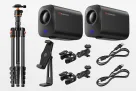
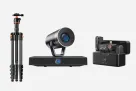
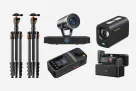
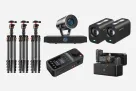
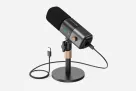
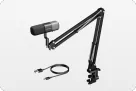
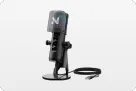
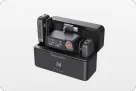
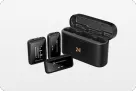
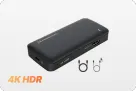
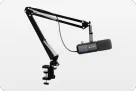
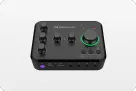
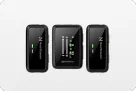
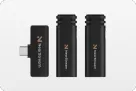
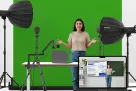
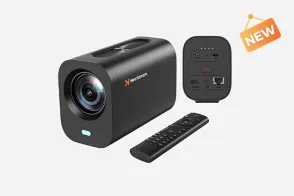
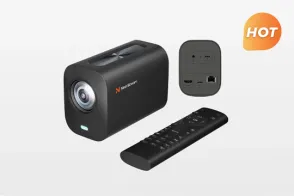
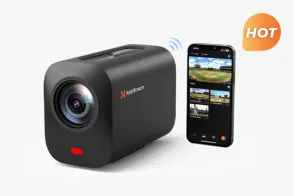
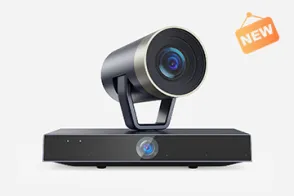
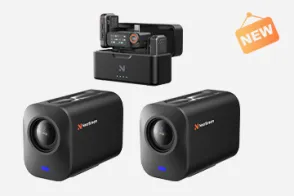
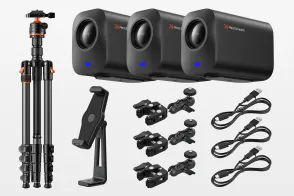
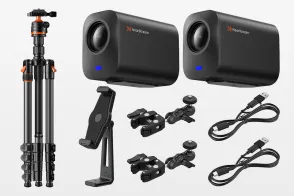
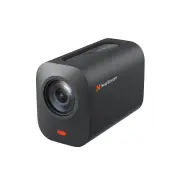
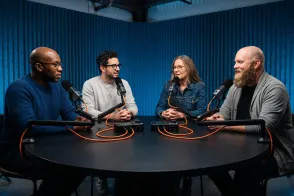
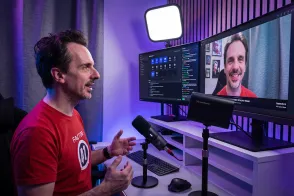
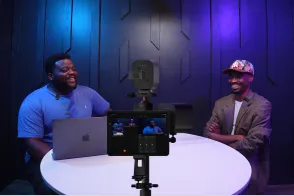
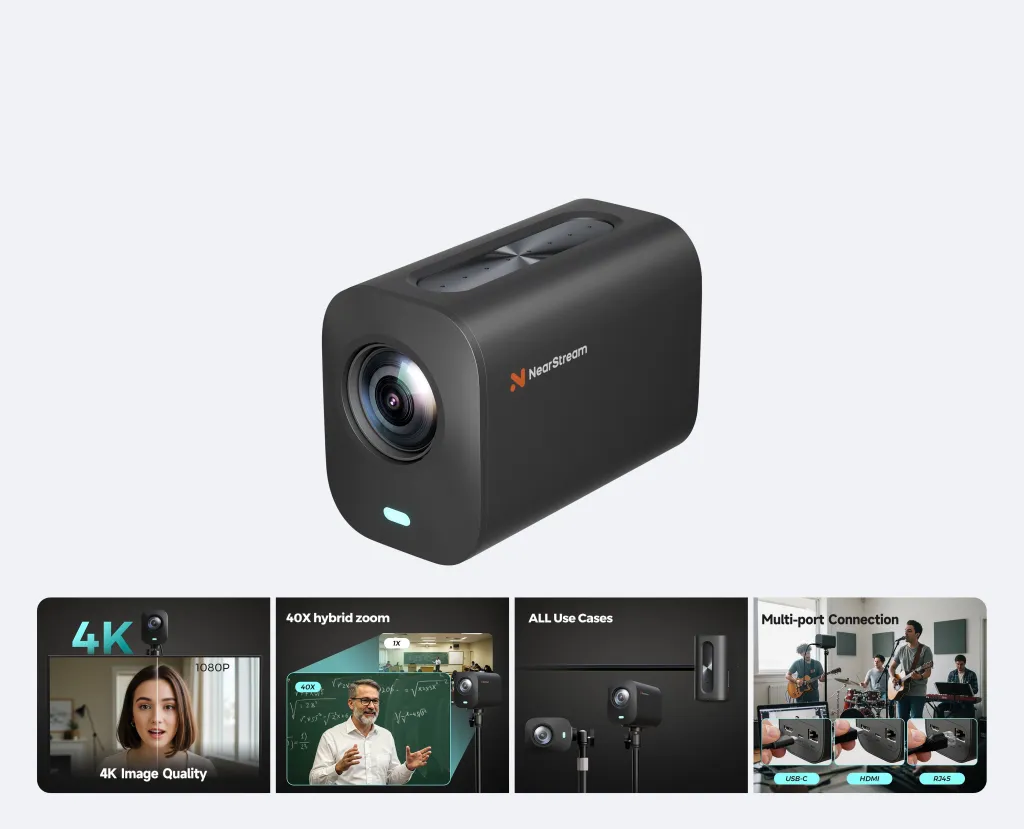
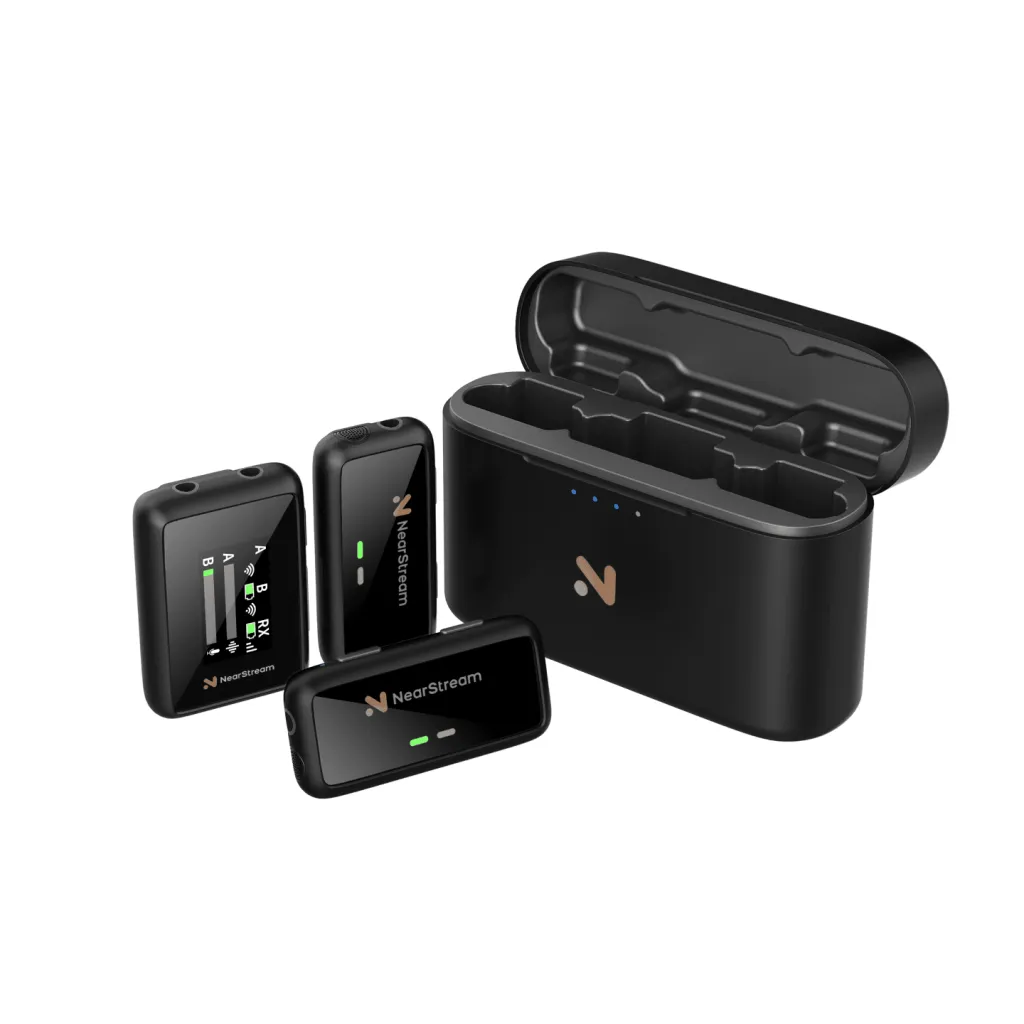
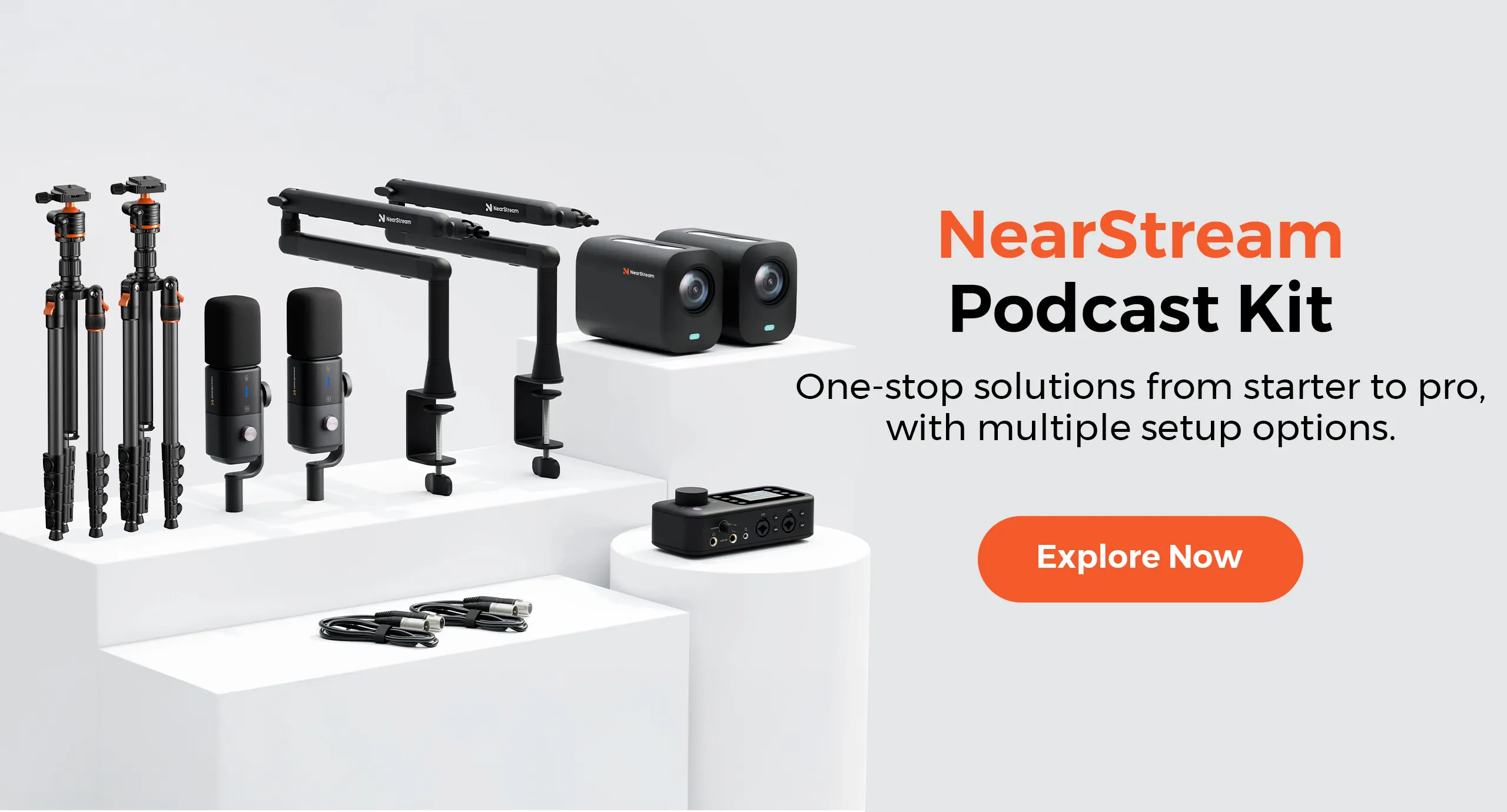
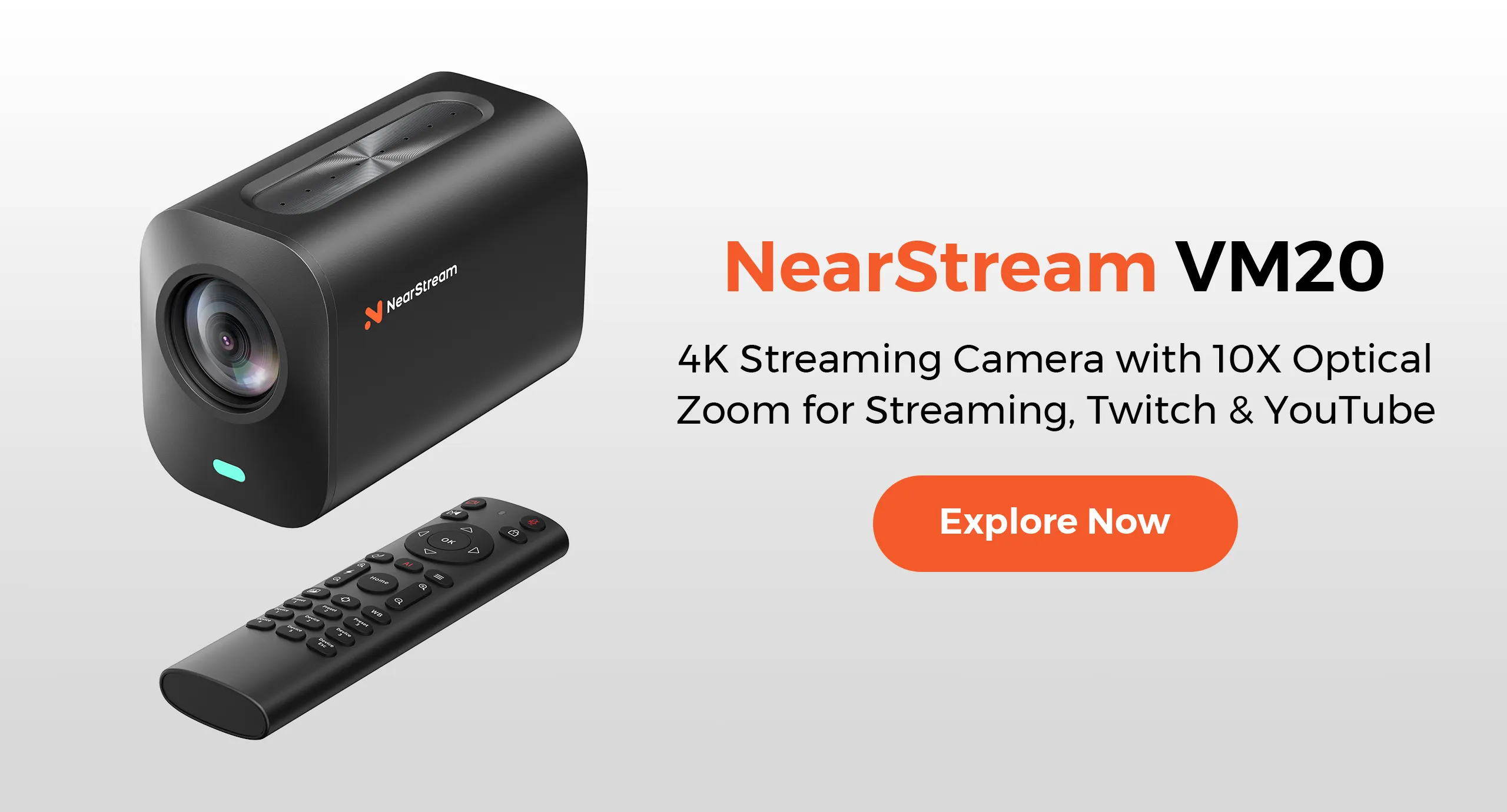
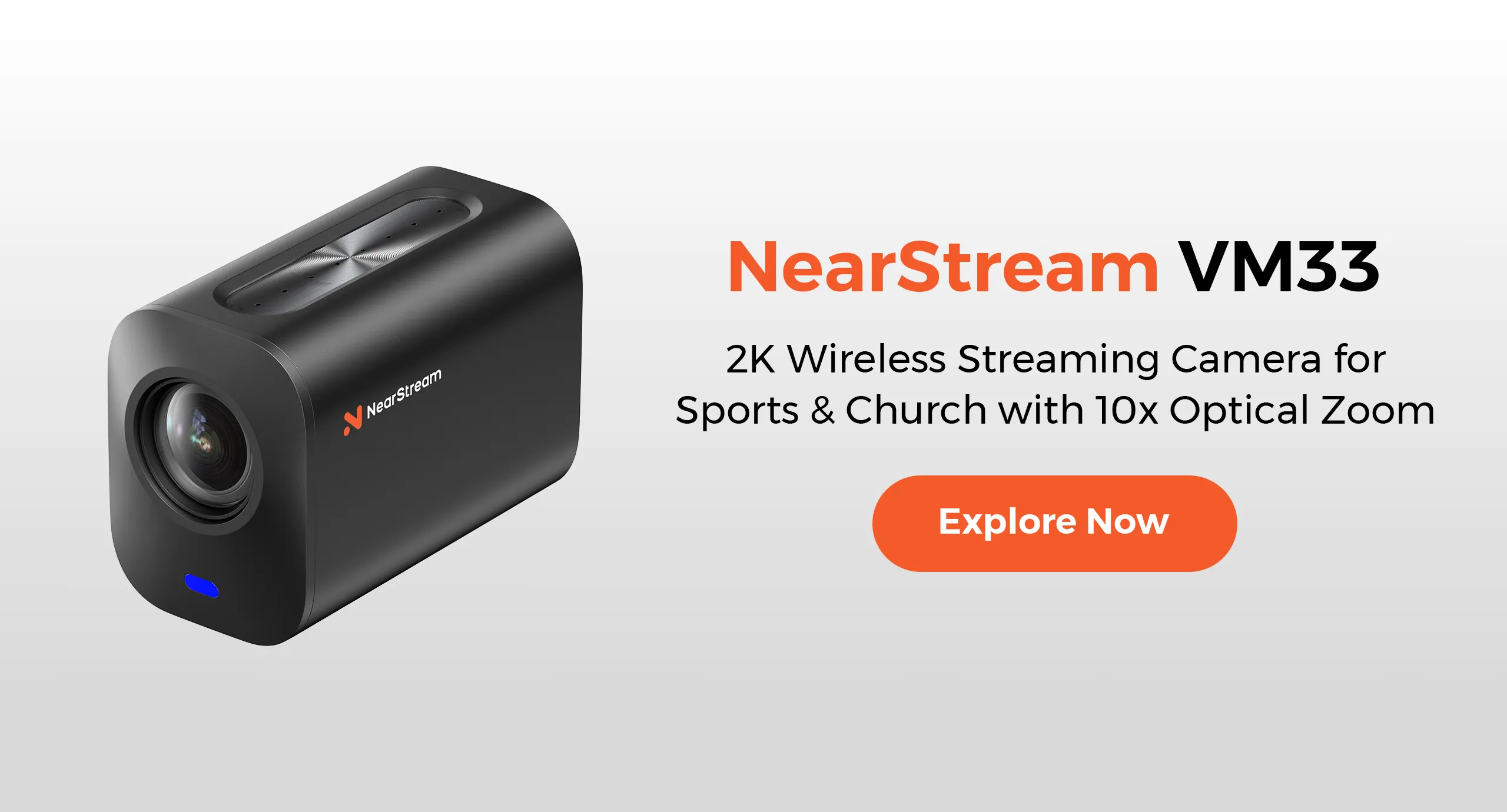
If you're looking for high-quality yet budget-friendly gear to improve your video ads, NearStream offers a well-rounded range of tools for creators. From the crystal-clear VM20 streaming camera to the studio-grade AM25X condenser microphone and reliable wireless mics, the lineup covers everything you need to produce sharp visuals and clean audio — without breaking the bank!



































 sales@nearstream.us