What Is Bitrate? A Complete Guide for Streaming, Video, and Audio
Understand the importance of bitrate for smooth playback and high-quality media.
streaming topics
bitrate guide
Updated: Mar 1, 2026 · 8 minutes read
Modular Video Kits for Growing Business.
Whether you're a content creator, gamer, or podcaster, understanding bitrate is essential for ensuring smooth playback, crisp visuals, and clear audio. But what is bitrate, and why does it matter in digital media?
This comprehensive guide breaks down the bit rate definition, explains how it affects video and audio quality, and offers tips to optimize your settings for platforms like Twitch, YouTube, and TikTok Live. We'll also show you how to configure your bitrate using OBS, Streamlabs, and introduce top-tier tools from NearStream that perform best within recommended bitrate ranges.
Bitrate Definition: What It Actually Means
Bitrate Explained in Simple Terms
At its core, bitrate refers to the amount of data transmitted or processed over a given time—usually measured in kilobits per second (Kbps) or megabits per second (Mbps). In digital media, this determines how much information is sent for audio or video playback every second.
In simple terms: higher bitrate = more data = potentially better quality. However, it also means larger file sizes and more demand on your internet connection or storage.
Bitrate Units: Kbps, Mbps, and How They Work
Kbps (Kilobits per second) – Commonly used for audio. For example, a 128 Kbps MP3 file has lower audio quality than a 320 Kbps version.
Mbps (Megabits per second) – Primarily used for video bitrate. A 4K video might require 15–25 Mbps or higher depending on settings.
Understanding these units helps you compare quality vs. bandwidth and choose the best setup.
Why Bitrate Matters in Digital Media (Streaming, Recording, Downloading)
Bitrate influences:
Streaming smoothness (low bitrate = less bandwidth but lower quality)
File sizes for storage or upload/download
Overall clarity of video and audio files
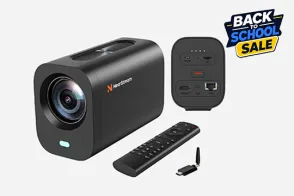
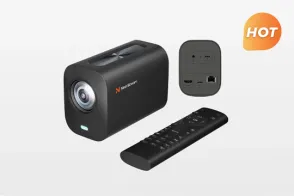
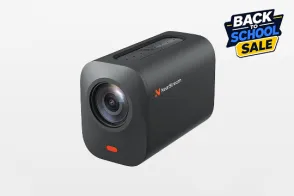
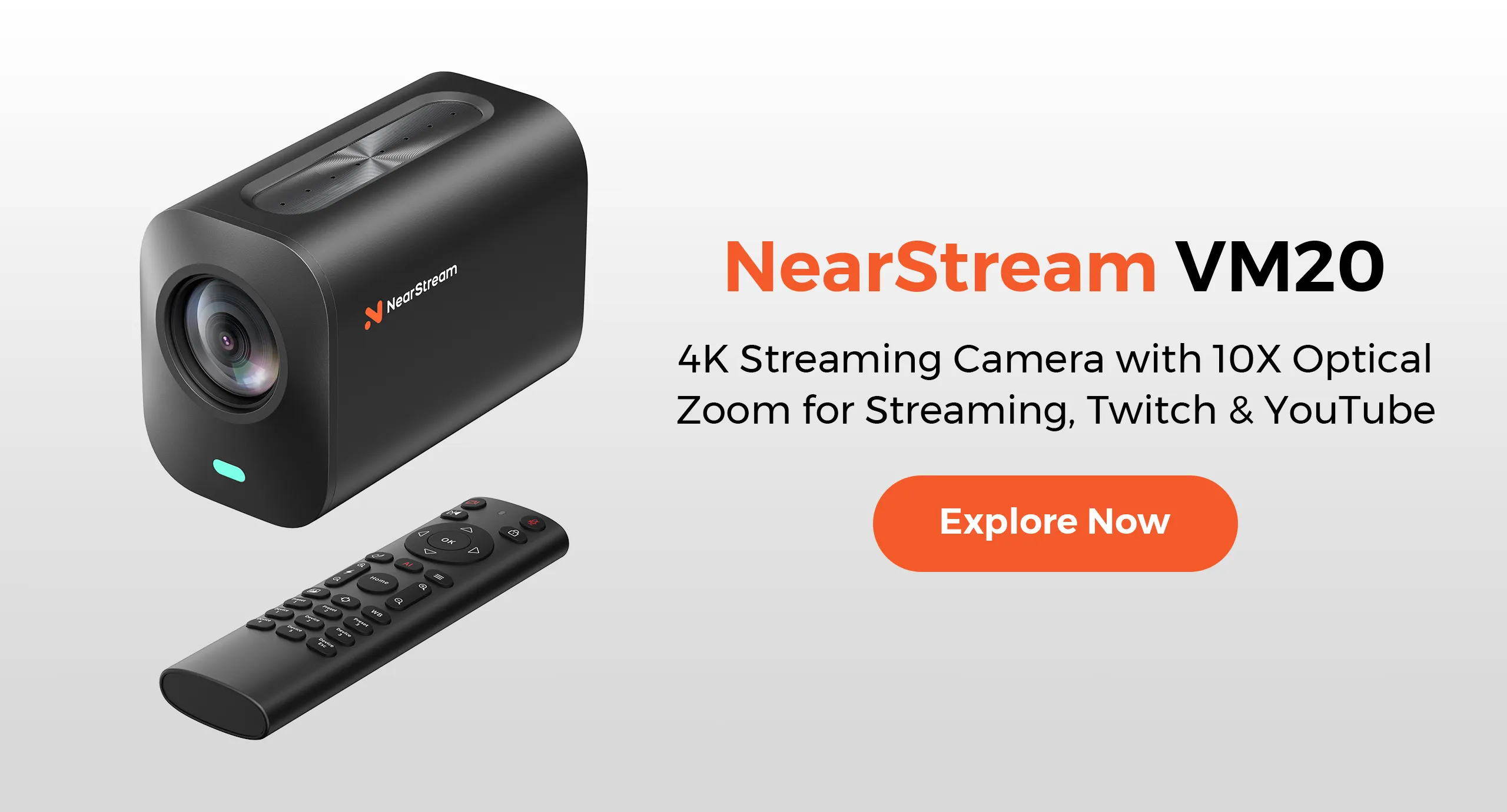
Whether you're streaming a podcast or broadcasting gameplay with a 4K streaming camera like the NearStream VM20, picking the right bitrate is key.
Video Bitrate: What You Need to Know
What Is Bitrate in Video Files?
Video bitrate is the amount of data used per second in a video stream. It governs how detailed each frame looks and how smoothly the video plays, especially at higher resolutions like 1080p or 4K.
How Bitrate Affects Video Quality (Resolution, Frame Rate, and Compression)
Bitrate is one of the most influential factors in determining video quality. However, it doesn't act alone. It works in tandem with three critical components—resolution, frame rate, and compression—to shape the clarity, smoothness, and overall viewing experience of a video.
1. Resolution: More Pixels Require More Data
Resolution refers to the number of pixels displayed in each frame of a video. Higher resolutions, such as 1080p (Full HD) or 4K (Ultra HD), deliver sharper and more detailed visuals. However, this increase in pixel count also demands a higher bitrate to maintain image clarity without visible artifacts or blurring.
For example:
A 720p video might look fine at 2,500 Kbps.
A 1080p video typically requires 4,000–6,000 Kbps.
A 4K video may need 15,000–30,000 Kbps or more depending on the frame rate.
If the bitrate is too low for a high-resolution video, the encoder will struggle to maintain image detail, leading to pixelation, banding, or soft edges.
2. Frame Rate: Smoother Motion Requires More Bitrate
The frame rate measures how many frames (individual images) are displayed per second, typically represented as fps (frames per second). Common frame rates include 30fps and 60fps, with higher frame rates offering smoother motion—essential for gaming, sports, or fast-paced content.
However, more frames mean more data needs to be processed and transmitted per second. For instance:
1080p at 30fps might need a bitrate of around 4,500 Kbps.
1080p at 60fps may require up to 6,000–9,000 Kbps to avoid motion blur or dropped frames.
If your bitrate isn't high enough to handle the frame rate, viewers may experience stuttering, jitter, or ghosting effects.
3. Compression: The Balancing Act Between Quality and Efficiency
Video compression is the process of reducing file size without significantly affecting visual quality. This is achieved using encoding standards such as:
H.264 (AVC) – Widely used, offering a balance of quality and compatibility.
H.265 (HEVC) – Newer, more efficient, ideal for 4K content, though it requires more processing power.
Efficient compression allows you to maintain high visual fidelity at a lower bitrate. For example, a 1080p video encoded with H.265 might look just as good at 4,000 Kbps as a H.264 video would at 6,000 Kbps.
However, poorly compressed video—even at a high bitrate—can still look bad due to blocky textures, color banding, or motion artifacts.
Choosing a camera like the DSLR-quality VM20 ensures optimal visual clarity even at mid-range bitrate settings.
Examples: 1080p vs. 4K Video Bitrate Requirements
Resolution & Frame Rate
Recommended Bitrate Range
Usage Scenarios
1080p at 30fps
3,000 to 5,000 Kbps
Standard streaming (Twitch, YouTube)
1080p at 60fps
4,500 to 6,000 Kbps
Smoother motion for gaming or action video
4K at 30fps
13,000 to 20,000 Kbps
High-quality video (e.g., professional content)
4K at 60fps
20,000 to 34,000 Kbps
Ultra-smooth, high-detail video (sports, movies)
A 4K60 USB Capture Card like NearStream CCD30 is essential for recording or streaming high-bitrate 4K gameplay.
Audio Bitrate: The Basics
What Is Audio Bitrate?
Audio bitrate is the number of bits processed per second in an audio stream. It affects how detailed and natural the sound appears to the listener.
How Bitrate Impacts Sound Quality
Higher audio bitrate generally equals better sound—especially in music or podcasting. A 128 Kbps MP3 may sound "flat" compared to a 320 Kbps version. For professional-grade quality, consider formats like WAV or FLAC, which use higher or lossless bitrate encoding.
It's a common misconception that increasing bitrate always results in better video or audio quality. While it's true that a higher bitrate can improve clarity and reduce compression artifacts, it also comes with trade-offs that content creators and streamers must consider.
Here's what happens when you increase your bitrate:
File Sizes Increase: Larger bitrate means more data per second, leading to bulkier files that are harder to store, upload, or transfer.
Higher Bandwidth is Required: Streaming at high bitrates consumes more upload bandwidth, which can overload weaker networks and lead to inconsistent performance.
Viewers May Experience Buffering: If your audience has slow or mobile internet, high bitrate streams may result in buffering, playback lag, or failed loads.
For instance, a 1080p 60fps video encoded at 12,000 Kbps might look fantastic—but if your viewers are on mobile or limited data plans, they'll likely struggle to watch it without interruptions.
When a Higher Bitrate Matters (and When It Doesn't)
There are specific situations where using a high bitrate is not only beneficial but essential:
Use a higher bitrate when:
You're producing 4K video, slow-motion content, or anything at 60fps or higher.
You're recording studio-quality audio for podcasts, music, or professional interviews.
You have fast, reliable internet with plenty of upload headroom.
You're streaming to mobile-first platforms like TikTok Live or Instagram.
Your audience is primarily on smartphones or lower-speed networks.
You're balancing cost, upload limits, and reach across a wide audience.
In these cases, excessive bitrate adds no real value and may, in fact, reduce performance.
Diminishing Returns: How Much Bitrate Is "Good Enough" for Most Users
For most use cases:
Audio: 256 Kbps AAC or 320 Kbps MP3
Video: 6,000 Kbps for 1080p 60fps
Streaming: Adjust depending on your upload speed and viewer devices
Pro Tip from NearStream:
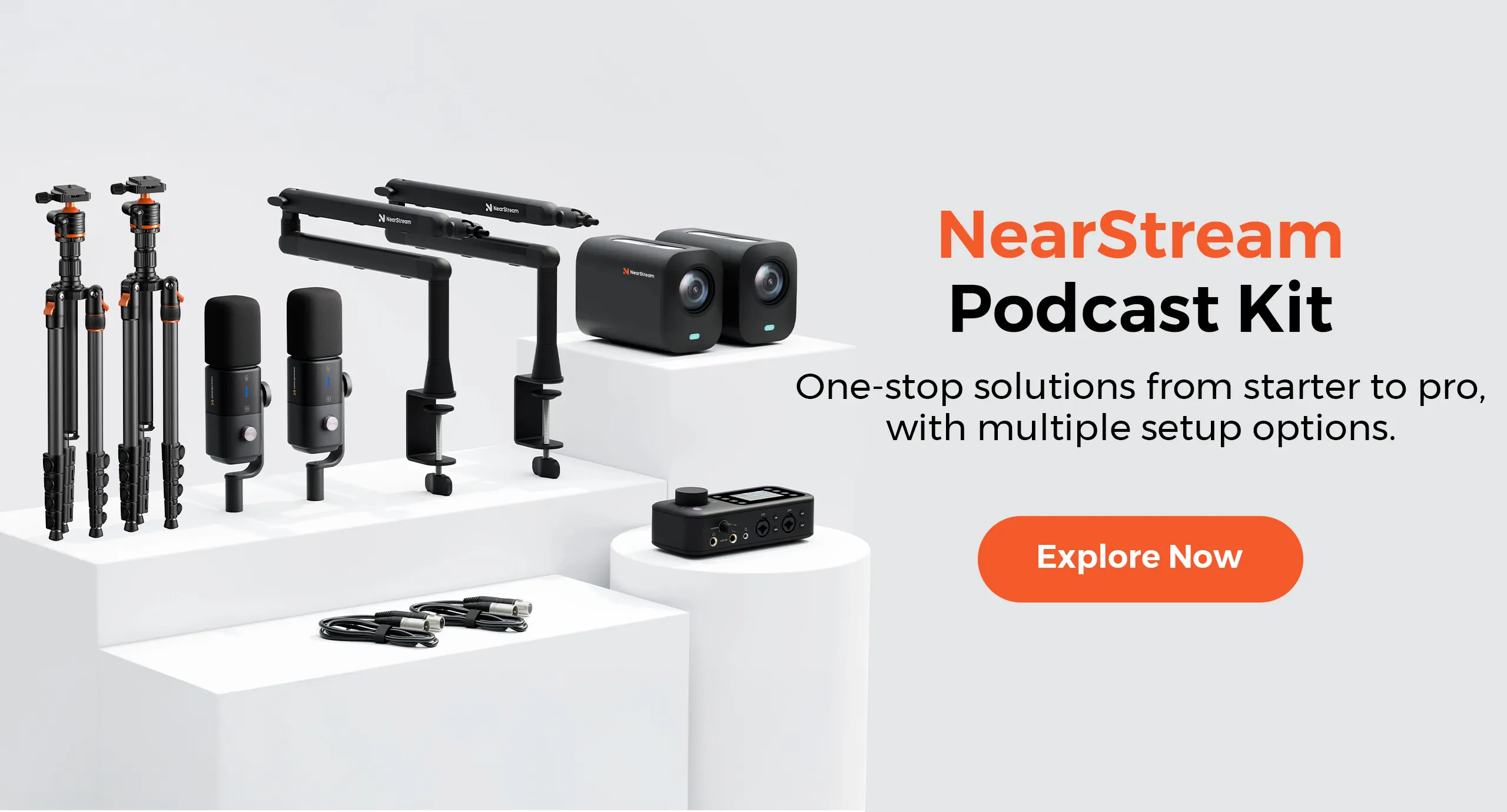
Our Podcasting Kit and Streaming Solutions are engineered to perform optimally at standard bitrate ranges. With built-in hardware processing and professional-grade components, they deliver studio-quality audio and video—even without maxing out your bitrate.
So, instead of chasing the highest possible numbers, focus on balance. A well-encoded 1080p video at 6,000 Kbps using H.264 and a quality microphone setup will often outperform a poorly optimized 12,000 Kbps stream.
Best Bitrate for Streaming: How to Choose the Right Settings
Factors That Impact Bitrate Choice
Bitrate affects the quality of your stream or recording. But picking the best bitrate depends on a few important things. Let's go over them in simple terms:
Resolution and Frame Rate
The better the video quality (like HD or 4K), the more bitrate you need. If your video is 1080p or 4K, it needs more data to look sharp.
Also, if your video runs at 60 frames per second (fps) instead of 30, it will look smoother—but it will also need a higher bitrate. If your bitrate is too low for a high-quality video, it might look blurry or laggy.
Internet Upload Speed
Your upload speed is how fast you can send data to the internet. If your bitrate is too high and your internet is too slow, your stream might freeze or stop. To be safe, only use about 70–80% of your total upload speed. You can check your speed using Speedtest.net.
For example, if your upload speed is 10 Mbps (10,000 Kbps), try to keep your bitrate around 6,000–8,000 Kbps. NearStream's 4K60 Capture Card helps you stream high-quality video smoothly, even at higher bitrates.
Platform Requirements
Each platform (like Twitch, YouTube, or TikTok) has its own rules for bitrate. Twitch works best with bitrates between 4,500 and 6,000 Kbps for 1080p. YouTube allows higher bitrates, especially for 4K videos. TikTok, which is mostly used on phones, recommends lower bitrates—around 800 to 2,500 Kbps.
If your bitrate is too high or too low for the platform, your stream may look bad or not work at all. So, always check what each platform suggests.
Encoder Settings: Software vs. Hardware
Your encoder is the tool that turns your video into a stream. Software encoding uses your computer's main chip (CPU). It works well but can slow down your computer. Hardware encoding uses your graphics card (GPU) or a built-in chip. It's faster and better for streaming. NearStream's Streaming Cameras and Audio Mixers are built to work with hardware encoding, so you get great video and sound without slowing your system down.
Recommended Bitrate for Twitch, YouTube, TikTok Live, and Kick
Platform
Recommended Bitrate Range
Video Quality
Notes
Twitch
4,500 to 6,000 Kbps
1080p at 60fps
Higher bitrates for better quality, but stick within this range for stability.
YouTube
3,000 to 6,000 Kbps (1080p at 30fps)
1080p at 60fps or 4K (higher bitrate needed for 4K)
YouTube allows higher bitrates, especially for 4K content.
TikTok Live
800 to 2,500 Kbps
720p or 1080p
TikTok is mobile-focused, so lower bitrates work better for smoother streaming.
Kick
3,000 to 6,000 Kbps
1080p at 60fps
Similar to Twitch, this range ensures good video quality and stable streaming.
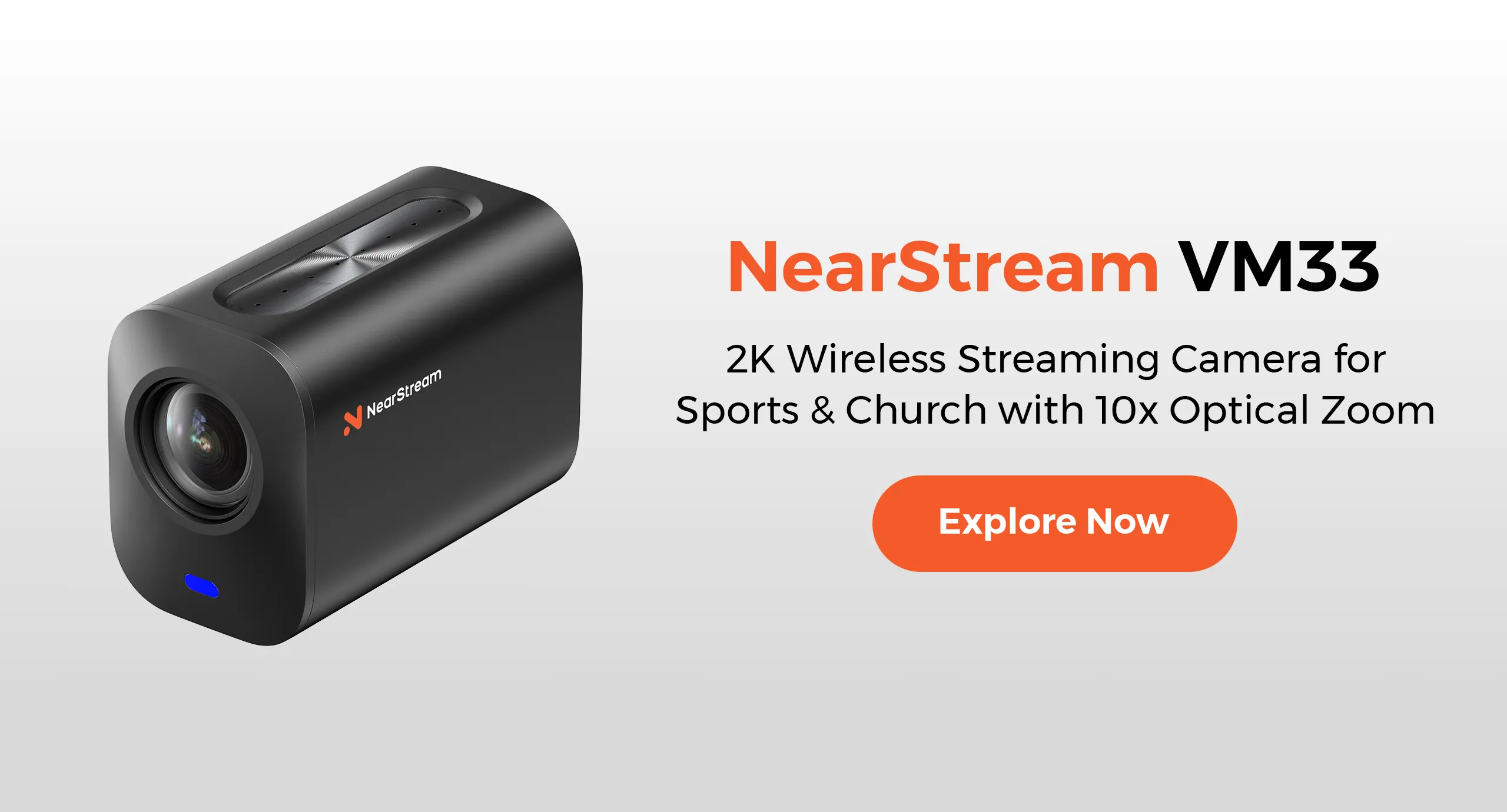
Using a NearStream streaming camera like the VM33 10X Zoom guarantees crystal-clear footage across all platforms.
Best Bitrate Settings for Different Resolutions
Resolution
Bitrate
720p
1,500–4,000 Kbps
1080p
4,000–9,000 Kbps
1440p
6,000–13,000 Kbps
4K
13,000–51,000 Kbps
What Bitrate Should I Stream At? (By Platform)
Twitch Streaming Bitrate Recommendations
1080p60 → 6,000 Kbps max
Use CBR encoding and a reliable mic like the AM25X for smooth streams
1,500–2,500 Kbps is enough for mobile-friendly content
Kick Streaming Bitrate Guidelines
Similar to Twitch (max 6,000 Kbps)
Match bitrate with encoder settings in OBS or Streamlabs
How to Change Bitrate on Your PC
Adjusting Bitrate in OBS Studio
Open Settings > Output
Under Streaming, set Video Bitrate (e.g., 6,000 for 1080p60)
Use CBR for consistent quality
Changing Bitrate in Streamlabs
Go to Settings > Output
Adjust the bitrate slider under Streaming
Test your stream in preview mode
Other Streaming Software Settings
Apps like vMix, XSplit, and Wirecast offer bitrate customization under output or encoder settings.
Testing Your Internet Speed for Optimal Bitrate
Before streaming, check your upload speed. Aim for:
At least 6 Mbps for 1080p streaming
25 Mbps+ for 4K
Common Bitrate Mistakes to Avoid
Overloading Internet Bandwidth
Setting a bitrate too high can cause dropped frames and buffering. Always test your upload speed before going live.
Choosing Too High a Bitrate for Viewers' Devices
Many mobile viewers can't handle high-bitrate streams. Use adaptive bitrate settings or stream in 1080p 30fps for accessibility.
Ignoring Audio Bitrate When Streaming or Uploading
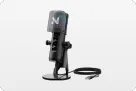
Don't neglect sound. Use at least 256 Kbps for audio bitrate when using pro mics like AWM20T.
Not Monitoring Bitrate Stability During Live Streams
Use OBS's Stats window to keep an eye on bitrate fluctuations. A stable connection is more important than a high one.
FAQs – Bitrate and Streaming Quality
What is a good bitrate for 1080p 60fps streaming?
Aim for 6,000 Kbps with CBR. Use NearStream's streaming kit to keep audio/video synced.
Can a low bitrate cause buffering?
Yes. Low bitrate and high compression often lead to visual artifacts or audio glitches, especially with complex scenes.
How can I optimize my bitrate without losing quality?
Use efficient encoders (e.g., NVENC, H.264), and stream at lower frame rates or resolutions if needed.
What's the difference between constant bitrate (CBR) and variable bitrate (VBR)?
CBR: Keeps quality consistent, ideal for live streaming.
VBR: Changes bitrate based on scene complexity, ideal for recordings.
Final Thoughts
Now that you understand what bitrate is, you can make smarter choices for your streaming, video, and audio content. From YouTube livestreams to podcast production, bitrate affects everything. With tools like NearStream's Podcasting Kits, Game Streaming Solutions, and pro-grade mics and cameras, you're set up for high-quality content creation—without the guesswork.
Need help setting up your bitrate for your next live stream? Visit NearStream.us for gear and guides.













































 sales@nearstream.us