In today’s rapidly growing podcasting industry, high-quality audio is essential for capturing and engaging audiences. Whether you’re recording solo episodes, conducting interviews, or producing a multi-person show, having the right microphone can make all the difference. A RØDE podcast mic is designed to deliver professional-grade sound, ensuring clarity and consistency in every recording.
With a strong reputation in the audio industry, RØDE podcaster mics offer excellent vocal reproduction, noise rejection, and durability—perfect for both beginners and experienced podcasters. Whether you choose a USB or XLR model, RØDE microphones provide reliable performance for any setup. In this article, we’ll explore different RØDE podcast mic options, their features, price and reviews, and how to select the best one for your needs.
Rode Podcast Mic
NT-USB Mini
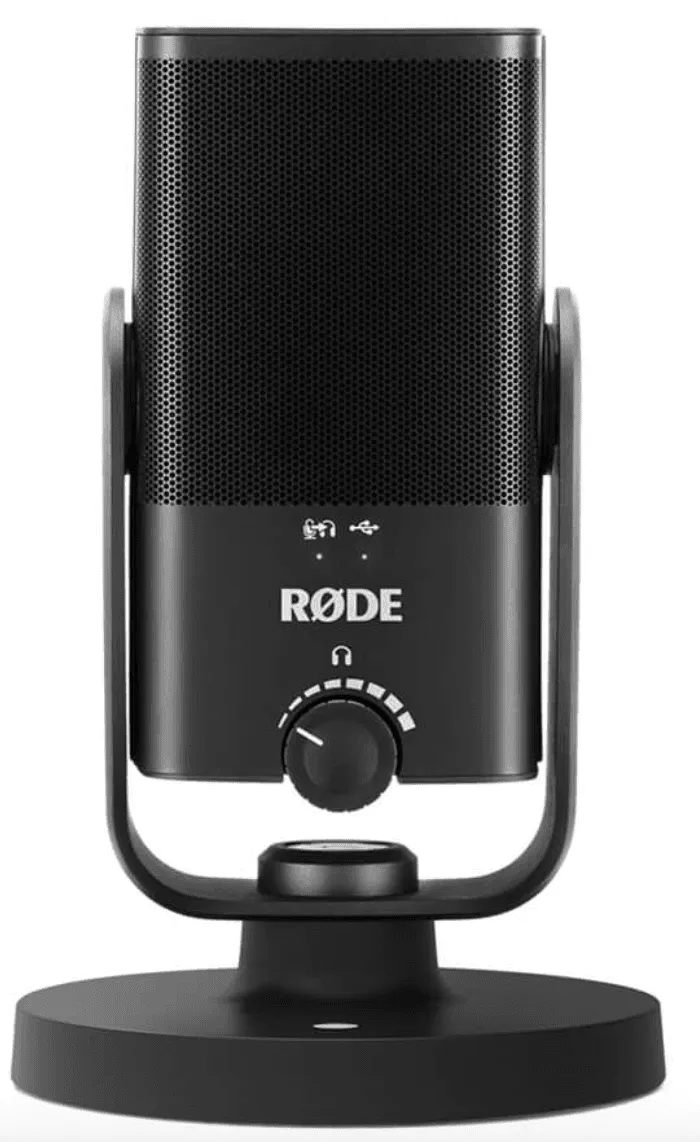
Rating4.5 $99
Specificiations
Acoustic Principle: Pressure gradient
Active Electronics: Electret condenser, A/D and USB interface
Polar Pattern:Cardioid
Frequency Range:20 Hz – 20 kHz
Sample Rates:48 kHz
Analog Outputs:3.5mm headphone
Computer Connectivity:USB - simultaneous I/O Mono input, stereo output
Output Connection:USB-C
Key features
- High-quality condenser capsule that delivers warmth and presence for a clear, professional sound in all recording applications.
- Directional cardioid polar pattern, optimised to reduce room sound and focus on the subject, be it dialogue, vocals or instruments.
- In-built pop filter for reducing plosives.
- Fully compatible with our simple and powerful podcasting and streaming software, RØDE Connect
- In-built digital signal processing: noise gate, compressor, APHEX® Aural Exciter™ and Big Bottom™ (accessed via RØDE Connect)
- Integrated 360-degree swing mount for quick and easy positioning on a desktop, mic stand, or studio arm.
- Unique detachable magnetic desk stand that provides excellent isolation from knocks and bumps and is quick and easy to remove.
- Class-compliant USB output that works seamlessly with computers or tablets, no drivers or software needed – just plug in and hit record.
- Zero-latency headphone monitoring eliminates distracting echo.
- Studio-quality headphone amplifier with precision level control.
- Steel and reinforced nylon resin construction, stylish matte black finish and compact, modern design.
Amazon Users Reviews
"Overall this a great little mic if you need some small for voice.
Pros:
Small size
High quality nylon and aluminum construction
Simple magnetic base
Strong headphone amplifier built in, able to drive many headphones, including those with higher impedance like the MDR V6 at 53ohms
Compact and portable
Solid USB C connection with a quality, adequate length included cable
Cons:
Limited to 96khz. People debate this, but 192khz does often sound a bit better to me, though it's not necessary.
Somewhat high noise floor - the mic can sound a bit sizzly
Included stand is very low, and easily picks up background noise. Depending on your use case you'll almost definitely need to pick up a separate stand that brings the mic within 6 inches of your mouth to take advantage of the proximity effect. You can get an aftermarket stand for not too much money, but frankly I'm not sure why they included such a short stand.
Depending on your voice timbre, it can sound somewhat flat and 'robotlike'. This is more a personal problem for since I have a very monotone voice. Different mics can make it sound better.
Overall, for the money you really can't go wrong. It's far better than any included headset mic, the headphone amp is very good, and it also sounds pretty decent for acoustic guitar."
——Alex Corll
PodMic
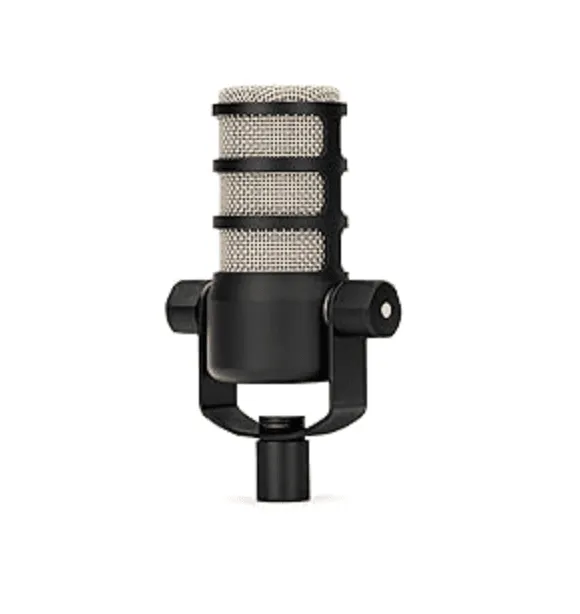
Rating 4.8 $99
Specificiations
Acoustic Principle: Dynamic
Polar Pattern: Cardioid
Frequency Range: 50Hz - 15kHz
Output Connection: XLR
Output Impedance: 320Ω
Sensitivity: -57dBV (1.4mV @ 94dB SPL)
Power Requirements: Not required
Key features
- Broadcast-quality dynamic microphone
- Rich, detailed sound optimised for podcasting, livestreaming and other speech applications
- Internal pop filter, shock mount and integrated swing mount
- Robust all-metal construction
Amazon Users Reviews
"The RODE PodMic is an amazing microphone that has completely elevated my podcasting game. The broadcast-quality dynamic microphone delivers rich, balanced sound that makes my voice sound professional and polished every time. Whether I’m narrating, interviewing guests, or doing solo episodes, the audio quality is consistently fantastic. "
——Chiaroscuro
"The Rode PodMic is a dynamic microphone, the holy grail for many podcasters and streamers. Priced at around $99, it promises broadcast-quality audio at an almost embarrassingly affordable price point. But does it live up to the hype? Let's dive in. Overall, the Rode PodMic is a fantastic value proposition for podcasters and streamers on a budget. Its broadcast-quality sound, rugged build, and simple operation make it a compelling choice for anyone looking to up their audio game. Just be aware of the low output and XLR requirement before you dive in."
——Dylin
NT1 Signature Series
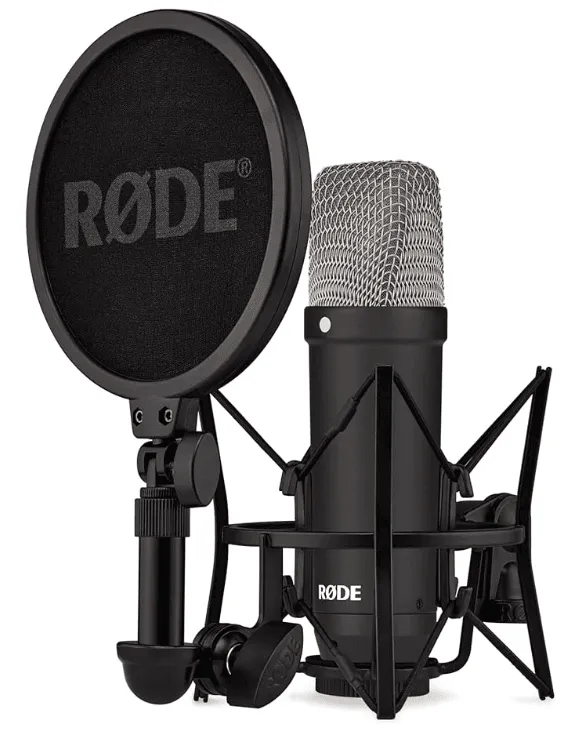
Rating 4.7 $159
Specificiations
Acoustic Principle: Pressure gradient
Active Electronics:JFET impedance converter with bipolar output buffer
Polar Pattern:Cardioid
Frequency Range:20Hz - 20kHz
Equivalent Noise (A-Weighted):4dBA
Analogue Output Connection:3-pin XLR
Key features
- Large-diaphragm cardioid condenser microphone
- HF6 1-inch true condenser capsule, precision engineered to sub-micron tolerances
- Tight cardioid polar pattern for excellent background noise rejection
- Classic NT1 sound signature – rich, warm bass, detailed midrange and sparkling highs for exceptional performance in a wide range of studio applications
- Smooth frequency response and high sensitivity for incredible balance and clarity
- Extremely low noise (4dBA) – the world’s quietest studio condenser microphone
- High SPL handling capabilities (142dB) for capturing very loud sound sources
- Studio-grade shock mount and pop filter and premium XLR cable included
- Available in classic black or a range of limited-edition colours, including red, green, purple, pink, blue, cobalt and white
- Rugged aluminium body with a high-grade finish – incredibly resistant to scuffs and scratches
- Industry-leading 10-year warranty
- Designed and made in RØDE’s precision manufacturing facilities in Sydney, Australia
Amazon Users Reviews
"This mic is perfect for any kind of creator, with it's amazing quality it sounds beautiful. It's metal body gives it great durability and with the right softwares it has vast functionality. This mic is a great value for money, but keep in mind that it is an xlr mic, so you will need an audio mixer to use it with your PC."
——Elijah
"High quality construction and lots of goodies in the box. We went with the signature version (without the USB connector) since XLR to a Focusright is a better way to get your signal converted. Very impressed. We tested this side by side with a Sennheiser MK 416, an MXL 2006, an MXL BD-1, and A Synco D2. Overall, for Voiceover or podcast work, the NT1 made both voices sound like they actually sound, very faithful and true. A great mic."
——J.Fredrickson
NT1 5th Generation
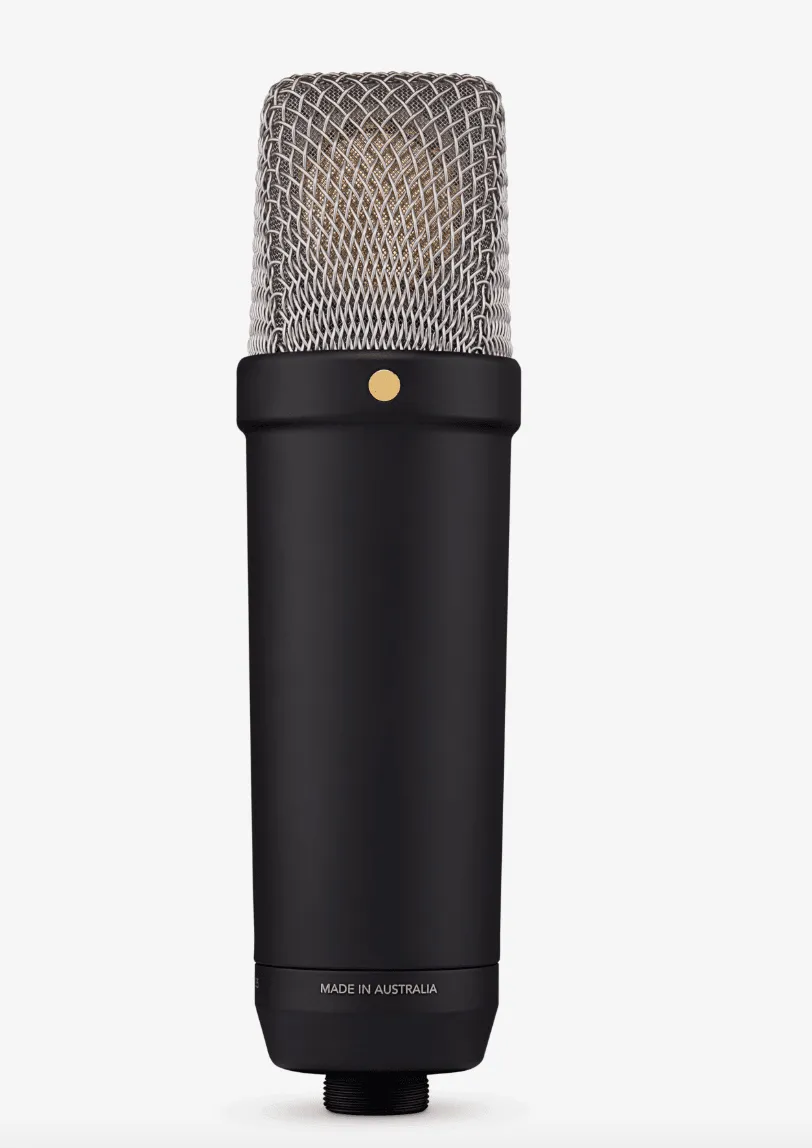
Rating 4.7 $250
Specificiations
Acoustic Principle: Pressure gradient
Active Electronics:JFET impedance converter with bipolar output buffer
Polar Pattern: Cardioid
Frequency Range: 20Hz - 20kHz
Output Impedance: 100Ω
Analogue Power Requirements:Via XLR: P48
Analogue Output Connection: 3-pin XLR
Key features
- Large-diaphragm cardioid condenser microphone
- HF6 1-inch true condenser capsule
- Smooth frequency response, high sensitivity and high SPL handling
- Exceptionally low noise (4dBA) – the world’s quietest studio condenser microphone
- Patent-pending Dual Connect output with both XLR and USB connectivity
- World-first 32-bit float digital output
- Ultra-high-resolution (up to 192kHz) analog-to-digital conversion
- On-board DSP for advanced APHEX® audio processing
- Studio-grade shock mount and pop filter, XLR and USB cables included
- Available in black or silver with a rugged aluminium body and high-grade finishes
- Designed and made in RØDE’s precision manufacturing facilities in Sydney, Australia
Amazon Users Reviews
"I've been using this with the USB-C connection and it's got really striking quality but default settings leave it inaudibly quiet. Setting the volume to 95 in the Windows sound settings seems to be about the sweet spot but be prepared to play with it a bit. Other than that, it's been very much just plug and play."
——N Curtis
"Bought this to upgrade my studio. I podcast and record music (trombone, guitar, voice) from time to time. This is my absolute favorite microphone. I've used mics of all different price points. This mic sounds great and gives a timeless look (music fans should see just how much music has been recorded on the classic Rode NT1)."
——Joe Mobley
Podcaster
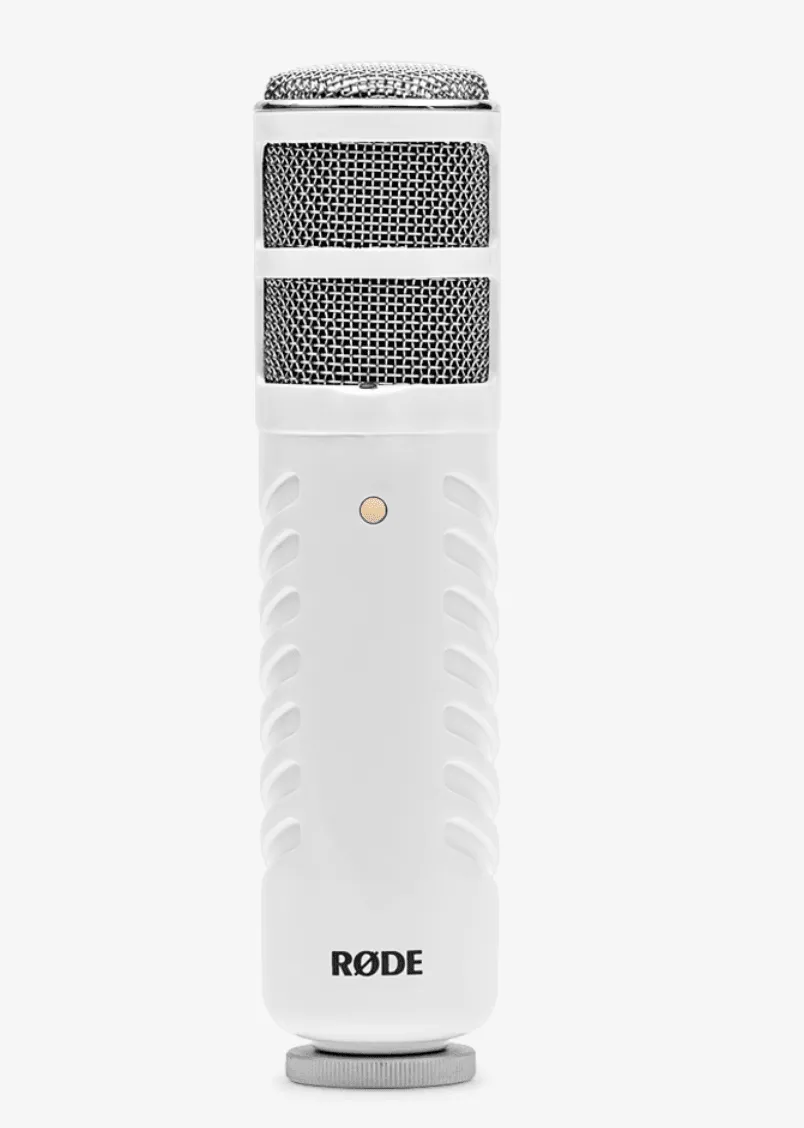
Rating 4.4 $189
Specificiations
Acoustic Principle:Dynamic
Active Electronics:Analogue signal conditioning + A/D and USB interface
Polar Pattern:Cardioid
Sample Rates:44-96kHz
Frequency Range:40Hz - 14kHz
Power Requirements:USB
Key features
- Broadcast-quality dynamic USB microphone
- Tight cardioid polar pattern provides excellent room noise rejection
- Internal capsule shockmount and pop filter
- High-quality headphone output for zero-latency monitoring
- 10-year warranty
Amazon Users Reviews
"Absolutely a great microphone. The sound of this mic is great and the only place it really has any trouble is with the highs. You should make sure you have a few things before you get this microphone. This is a very wide microphone and I could barely fit it in the shock mount I had. As well as wide it is VERY HEAVY. If you plan on using a boom arm I would make sure it can handle the weight of it. This as well goes for any stand you use. This microphone does not come with a stand. I would also recommend you get a pop filter or windscreen. It has a built-in pop filter but its really not that good. Other than just needing a few things with this microphone ( Which you would need with any microphone ) it is a very good microphone overall and helps me keep out the noise of cars passing by."
——Austin M.M. Wikes
"use it on my voice chats on my chat client w a windscreen and others say i sound like i'm completely on radio.
i have several mics by this brand of all prices and they all are exemplary. i typically don't talk about cheap v expensive because there are jewels out there for affordable prices, but i love this; i wish there were a darker color (gray or even black) to match my setup, but i do have the procaster which is a sibling to this mic and it's black, so i mean...i have what i have and all the microphones from this brand are amazing."
——arenas
How to Choose the podcaster mic?
Choosing the right podcast microphone is crucial for ensuring high-quality audio and creating a professional listening experience. With various options available, it's important to consider key factors that align with your specific podcasting needs.
- Audio Quality
The quality of your microphone directly impacts how your voice sounds to your audience. Look for microphones with clear and natural sound reproduction, minimal background noise, and a balanced frequency response. Features such as built-in noise reduction or enhanced vocal clarity can further improve audio quality.
- Microphone Type: Dynamic vs. Condenser
- Dynamic Microphones: Best suited for noisy environments, as they naturally reject background noise. They are durable and do not require external power.
- Condenser Microphones: Offer greater sensitivity and richer sound quality, making them ideal for studio setups. However, they require phantom power from an audio interface.
- Connection Type: USB vs. XLR
- USB Microphones: Simple plug-and-play functionality, great for beginners and solo podcasters.
- XLR Microphones: Require an audio interface or mixer but provide better sound quality and flexibility for professional setups.
- Polar Patterns
- Cardioid: Captures sound from the front while minimizing background noise, ideal for solo podcasting.
- Omnidirectional: Picks up sound from all directions, suitable for group discussions.
- Bidirectional (Figure-8): Records from the front and back, useful for interviews.
- Comfort and Ease of Use
Since you’ll be using your microphone for extended periods, consider factors such as:
- Weight and build quality for long-term durability.
- Adjustable boom arms or stands for better positioning.
- Built-in pop filters to reduce plosive sounds.
- Additional Equipment
To enhance your recording setup, consider:
- Audio Interface (for XLR mics) – Devices like Focusrite Scarlett 2i2 or RØDE AI-1 improve sound quality.
- Boom Arm and Shock Mount – Helps position the mic correctly and reduces vibrations.
- Closed-Back Headphones – Ensures accurate audio monitoring without sound leakage.
- Choosing the Right Mic for Your Needs
- Solo Podcasters: A high-quality USB mic like the RØDE NT-USB Mini is a great choice.
- Interview Podcasts: Consider bidirectional or omnidirectional mics for multiple speakers.
- Professional Studios: XLR microphones paired with an audio interface deliver superior sound quality.
- Durability and Longevity
A reliable podcast microphone should withstand frequent use. Look for well-built designs with sturdy materials to ensure longevity. Brands like RØDE are known for their durable and high-performance microphones.
Final Thoughts
Selecting the right rode podcast microphone is a crucial step in producing high-quality podcasts. Consider your environment, budget, and recording needs when making a decision. Whether you're a beginner or a professional, investing in the right microphone will enhance your podcasting experience and help you create engaging content for your audience. Rode podcast mic is one of the best choices.




























 sales@nearstream.us