What is Podcast SEO and Why is it Important?
Podcast SEO is a type of audio SEO, like webinars or other audio content. So podcast SEO is a bunch of techniques that help your podcast rank higher on Google. Some of these techniques are the same as with written content (i.e. using relevant keywords and enhancing the podcast description for optimal visibility.)
Pro tip: Podcasts rank higher on search engines than other audio content types. The podcast box in Google SERPs for a person’s query proves that; after all, you don’t see a webinar box on Google SERPs. As such, podcasts aren’t mixed with other results – they’re always visible.
Podcast audiences are growing faster than ever. Stats show that 59% of people aged 12-34 tune in regularly. Search optimization is key to reaching this audience, so relevant podcasts appear when users search for topics of interest. Podcast SEO is not just about visibility. It also enhances the listener’s experience, organizes content and helps podcasters measure engagement.
How Podcast SEO Works?

Podcasts have metadata which includes essential details about the show and its episodes. This metadata helps search engines like Google and podcast directories like Apple Podcasts understand the content. Uploading your podcast to a hosting platform automatically generates an RSS feed that distributes this metadata to podcast listening apps.
Since search engines are better at reading text than listening to audio. Podcast SEO relies heavily on optimizing text-based elements rather than keywords spoken in the recording. Each podcast platform has its own ranking algorithm so keyword optimization alone won’t guarantee top rankings across all directories.
Important elements that affect podcast SEO include podcast title, episode title, description, author name, keywords and category. Adding podcast transcripts further improves SEO by giving search engines text to index. This increases the chances of your podcast showing up in search results when users search for related topics.
Why SEO is Important for Podcasts in the Digital World
As search engines evolve, podcast SEO has become part of content marketing. Statistics show that many people listen to podcasts to learn, so search optimization is key to connecting educational content to interested audiences.
Google’s decision to index podcasts in search results changed the way people discover audio content. Now podcasters can reach a wider audience through search engine results pages (SERPs) rather than relying on podcast directories.
The Role of Search Engines in Podcast Discovery
Search engines are key to how people find and consume podcasts today. Stats show that 59% of people aged 12-34 and 27% of those aged 55+ listen to podcasts regularly. This wide age range means podcasts must be easily accessible through search.
Google and other search engines now analyze audio files so podcasts show up in general search results along with text content. This means podcasters can reach audiences who may not be actively searching for podcasts but are looking for information on specific topics.
Optimized podcasts offer many benefits. They enhance website credibility by attracting backlinks from authoritative sources, improve visitor engagement through longer session times and lower bounce rates, and signal relevance to search engines. Podcasts that talk about area-specific topics can benefit local SEO efforts.
Mobile optimization is crucial since most people listen to podcasts on mobile devices. Search engines prioritize mobile-friendly content and structured data markup for podcast episodes, ensuring better indexing and visibility across all search platforms.
Podcast SEO Best Practices to Increase Discoverability

A well-planned podcast SEO strategy helps increase discoverability and attract more listeners. Since many people find new podcasts through search engines and in-app search bars, optimizing your podcast content ensures it reaches the right audience.
1) Choose the Right Podcast Topics and Niche
Choosing the right topics is key to audience engagement and SEO success. Many listeners tune in to podcasts to learn new things so choosing valuable and interesting topics can increase visibility. This makes topic selection a critical part of audience participation.
Know Your Audience and Their Interests
Understanding your audience is crucial to optimizing your podcast’s SEO. Knowing their interests helps you create content that resonates with them. Statistics show that 55% of podcast listeners tune in to learn something new, so topic selection is key to audience engagement. By analyzing demographic data, survey insights and listening patterns, you can tailor content to your audience’s wants.
Using analytics tools helps you determine which topics get more listeners. Social media platforms provide valuable data on user engagement. Platforms like Reddit offer deep insights into trending topics while website metrics show themes that keep audiences engaged. Leverage this data so your podcast remains relevant and interesting to your listeners.
Do Keyword Research for Episode Ideas
Keyword research is key to finding topics with high search potential. Tools like Google Trends help track search patterns while keyword research platforms identify terms with high volume and manageable competition. Geographic data can also be useful in tailoring content to specific audience segments. You can boost discoverability by integrating well-researched keywords into episode titles and descriptions.
Utilize Trending Topics in Your Industry
Stay updated with industry trends so you can create timely and relevant content. Google’s freshness algorithm rewards trending topics with better visibility so monitoring platforms like Twitter’s trending topics, Google’s Trending Searches and Google News trends are important. Trending topics generate immediate interest while evergreen content ensures long term SEO success. Topics that start with “how-to” or “what is” will continue to attract listeners over time.
Metadata is the foundation of podcast SEO. It helps search engines and podcast directories understand your content and improve rankings and visibility.
Name Your Podcast for SEO Success
A well-optimized podcast name plays a big role in searchability. It should be descriptive and include relevant keywords. Instead of a generic name like “Red Room” a better choice would be “Red Room: A Film Photography Podcast.” Spotify recommends including topic and subtopic keywords to improve discoverability.
Write Episode Titles That Capture Interest
Episode titles should be engaging, informative and optimized for search engines. The first 20 words should include topic specific keywords and capture the listener’s attention. The title should clearly describe the episode without unnecessary welcome messages. Placing relevant keywords strategically helps in search results.
Choose the Right Podcast Categories
Choosing the right categories and subcategories improves discoverability. Apple Podcasts has over 100 categories and podcasters should select both primary and secondary categories. Less competitive categories can give better visibility while cross category selection increases reach. It’s recommended to wait at least four months before changing categories as frequent updates can reset rankings.
3) Publish and Optimize Your Podcast Episodes on Key Directories
Publishing your podcast on multiple platforms increases its reach. Each platform has unique ranking factors so optimizing for them helps attract more listeners.
Optimizing Your Podcast Listing on Apple Podcasts, Spotify and Google Podcasts
Each podcast platform has different ranking factors. Apple Podcasts prioritizes metadata elements like episode synopsis, host details and content format. Spotify with over 600 million users emphasizes keyword rich descriptions, clip previews and personalized recommendations. Publishing regularly, ideally within 15-day cycles, can improve rankings significantly. Optimizing metadata for each platform increases search visibility and listener engagement.
YouTube SEO for Podcasts: Utilize Video and Audio
YouTube has become the primary platform for podcast consumption. Optimizing video podcast content involves using keyword rich titles and descriptions, effective timestamps and eye-catching thumbnails. Short-form content through YouTube Shorts helps in capturing new audiences. Videos with hosts on screen perform better, getting twice as many views as those with static images. Proper YouTube optimization gives higher engagement and better rankings in search results.
4) The Power of Podcast Transcripts for SEO
Transcripts make podcast content searchable by search engines and improve rankings and accessibility.
How Transcripts Improve Search Engine Rankings
Transcripts convert audio content into searchable text and boost SEO. Search engines can index full-length transcripts so podcasts can rank for long-tail keywords. Including detailed show notes from transcripts improves content accessibility and increases organic traffic. Stats show that podcasts with transcripts rank 6.68% higher in search results and get 16% more backlinks than those without transcripts.
AI-powered transcription tools make it easy to convert audio into text. Speech-to-text platforms like Google Speech-to-Text, Amazon Transcribe and Microsoft Azure Speech Services are high accuracy. Podcast-specific services like Descript, Otter.ai and Rev.com offer additional features like speaker identification and text-based audio editing. Formatting transcripts with time-stamped sections, speaker labels and keyword rich headers improves readability and searchability. Well-optimized transcripts improve audience engagement and podcast SEO performance.
5) Create a Dedicated Podcast Landing Page or Website
A podcast website improves SEO by having a central hub for content and increasing organic traffic.
Benefits of a Centralized Hub for Your Podcast
A dedicated website is a central hub that integrates all podcast related content. It allows better audience interaction and improves search engine rankings. A well-structured podcast website includes episode descriptions, host biographies, archives and behind-the-scenes content. Interactive elements like social media links and newsletter sign-ups further enhance engagement. Tracking audience behavior through website analytics helps in refining content strategies for better SEO results.
Repurpose Podcast Episodes into Blog Posts for SEO
Repurposing podcast content into blog posts maximizes SEO benefits. Transcripts can be converted into well-structured blog articles that rank higher in search results. Blog posts allow for better keyword integration, readability, and search engine indexing. Research shows that repurposed content attracts visitors, provides evergreen value and caters to learning preferences. Adding relevant statistics, case studies and examples ensures the content remains informative and engaging.
A strategic approach to podcast SEO, incorporating keyword research, metadata optimization, platform specific enhancements, transcripts and dedicated websites ensures higher discoverability. By consistently implementing these best practices podcasters can increase their reach, improve search rankings and build a loyal listener base.
Advanced SEO Strategies to Boost Your Podcast
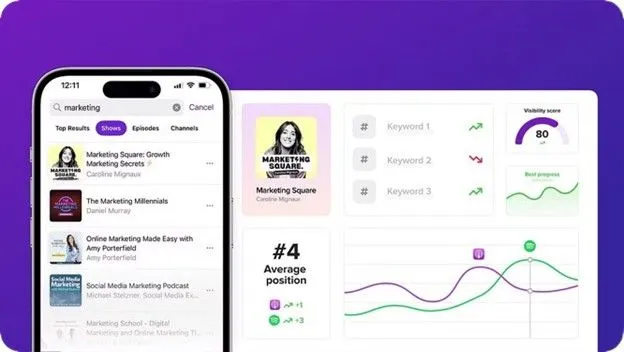
Advanced SEO strategies help podcasts become more visible in search platforms. Research shows that podcasts using advanced SEO tactics see a 40% increase in organic traffic.
Podcasters who use these advanced strategies build a strong foundation for growth. Regular metric analysis helps in keeping optimization efforts in line with changing search algorithms and audience priorities.
1) Building Backlinks for Your Podcast
Quality backlinks are the life-blood of podcast SEO success. Content creators now prioritize strategic placement and authenticity over traditional link exchanges to build meaningful relationships.
Promote Your Podcast on External Websites and Blogs
Promote your podcast on external websites and blogs, which increases your SEO by increasing visibility and credibility. High quality backlinks from authoritative sites improve search rankings and organic traffic. Writing guest blog posts, getting featured in industry news and engaging in online communities helps in attracting natural backlinks. Creating podcast episodes with in-depth insights and expert opinions increases the chances of being referenced by other content creators.
Guest Appearances and Collaborations for Link Building
Guest podcasting is an effective way to get backlinks without creating new content. Hosts typically include guest website links in show notes when featured on other podcasts, offering direct referral traffic and SEO benefits.
Choosing industry specific podcasts with engaged listeners, providing insightful commentary and ensuring easy access to your website link increases the chances of getting valuable backlinks. Podcast platforms with high domain authority between 80 and 90 amplifies these benefits, with multiple backlinks generated through show notes, hosting platforms and social media mentions.
Social media is a great way to expand your podcast’s reach beyond search engines. Research shows 42% of listeners find new podcasts through social media. This makes it essential to optimize your presence on these platforms.
Each social media platform requires a specific approach to maximize podcast reach. Instagram thrives on visual storytelling, making audiograms, behind-the-scenes content and highlight reels effective promotional tools. LinkedIn is ideal for professional networking and works best with detailed episode summaries, industry insights and expert interviews. A platform specific approach ensures better engagement and audience retention.
Create Shareable Content Snippets for Social Platforms
Repurposing podcast content into short, engaging snippets increases social media visibility. Quote graphics featuring memorable episode moments, teaser videos capturing engaging discussions and infographics summarizing key insights are highly shareable formats. Video teasers get higher engagement than static posts, reinforcing format selection's importance. Behind-the-scenes content and live sessions further strengthen audience connection by offering an inside look into podcast production and real-time engagement.
3) Use Paid Ads to Increase Visibility
Podcast visibility gets a big boost from paid advertising beyond search results. The podcast ad industry is growing rapidly with spending expected to hit USD 3.53 billion by 2026.
Run Ads for Your Podcast on Social Media
Paid social media advertising increases podcast visibility, leveraging specific targeting options to reach potential listeners. Millennials and Gen Z trust podcast ads especially when promoted by hosts they follow. Effective ad strategies involve targeting specific demographics by age, location and interests, using iOS campaigns for seamless Apple Podcast integration and the custom audience feature for remarketing. Facebook’s advanced targeting allows cost efficient ad placements with substantial impressions for a modest budget.
Targeted Google Ads for Podcast Episodes
Targeted Google Ads offers search based targeting that increases podcast discoverability. Text ads are an efficient way to launch a campaign with budget flexibility starting from USD 1.00 per day. Target relevant keywords aligned to podcast themes ensures optimal reach. Podcast apps like Castro and Overcast also offer promotional options with affordable packages.
Given YouTube is the second largest podcast listening platform, its advertising tools allow precise audience targeting. Self-serve platforms simplify podcast advertising by offering automated campaign management, flexible budgets and audience segmentation analysis. Strategic paid promotion and ongoing performance analysis ensures effective ad spend and maximum listener acquisition.
How to Rank Your Podcast on Google and Other Search Engines

Google’s 2019 announcement about indexing audio content changed how podcast search visibility works. Creators need to know how search engines work to make their content show up better in searches.
The Basics of Ranking Your Podcast on Google
Google’s podcast indexing system relies on text-based elements to determine search visibility. Unlike web content algorithms that analyze multiple factors, podcast search engines focus on specific elements like show titles, episode descriptions and user engagement metrics.
How Google Indexes Podcasts
Google uses sophisticated systems to process and index audio content. The indexing process starts with RSS feeds containing essential podcast information like episode metadata and descriptions. To determine search rankings, Google scans these feeds, website content linking to podcast feeds and user engagement signals. Ensure your podcast follows Google’s RSS feed guidelines to ensure proper indexing.
Steps to Make Your Podcast Visible in Google Search
Optimize your RSS feed, episode descriptions and metadata structure to increase your podcast’s visibility. Create a dedicated homepage for your podcast with clear navigation paths, which can also improve search performance. Google’s freshness algorithm favors current and regularly updated content, so a mix of trending and evergreen topics helps in maintaining steady rankings. Transcripts help in indexing by providing text based content that search engines can crawl and tracking results in Google Search Console helps in refining optimization strategies.
Key Metrics Used to Rank Podcasts
Podcast rankings are based on engagement metrics, not download counts. Platforms measure listener behavior to determine popularity and relevance in search results.
Engagement Metrics (Plays, Downloads, etc.) Matter
Google and other platforms track key engagement metrics like episode completion rates, average listening duration and subscriber growth. These metrics show how valuable a podcast is to its listeners. For example, Apple Podcasts considers a listener engaged if they listen to at least 20 minutes or 40% of an episode, while Spotify counts a valid stream only after 60 seconds of listening.
Building Audience Loyalty for Higher Rankings
Consistent listener engagement is more important than occasional downloads. Building audience loyalty involves maintaining a regular posting schedule, using timestamps for easy navigation and encouraging feedback. Community engagement like social media interactions and listener discussions also increases podcast visibility. Analyzing demographic trends, episode popularity and bounce rates helps refine content to retain and grow the audience.
Google Podcast Optimization Tips
Optimizing a podcast for Google means looking at metadata, content organization and search engine guidelines.
Submit Your Podcast to Google Podcasts
To submit a podcast to Google Podcasts, ensure the RSS feed is publicly available and meets Google’s requirements. The feed should have at least one published episode, properly formatted audio files and high quality cover art. Google will automatically scan and index podcast feeds; creators can use Google Podcast Manager to check feed status and request manual recrawl if needed.
How to Optimize Podcast Descriptions for SEO
Podcast descriptions should be detailed and include natural keywords. Well structured episode summaries help search engines understand the content better. The descriptions should clearly outline the main topics and benefits of each episode. Google scans audio files for indexing so providing transcripts helps visibility. Keeping podcast feeds updated and ensuring descriptions match webpage metadata ensures better ranking across Google properties, including mobile apps, smart speakers and Android Auto systems.
By following these tips, podcasters can improve search visibility, attract more listeners and build a strong engaged audience.
Supercharge Your Podcast SEO Workflow
SEO can get your podcast in front of a wider audience by improving search engine and podcast platform visibility. Streamlining your SEO workflow saves time and maximizes impact.
Automate SEO Tasks
Manually doing SEO can be time consuming, but automation makes it easier. You can automate tasks like keyword research, transcriptions and performance tracking with the right tools. This lets you focus on creating great content while optimizing your podcast.
Otter.ai and Descript for automatic episode transcriptions
Google Search Console and Ahrefs for keyword tracking
Podtrac and Chartable for audience analytics
Hootsuite and Buffer for social media promotion
Using these tools means your podcast is well optimized without taking too much time.
How to Measure Podcast SEO
Tracking SEO performance helps you know what’s working and where to improve. You can fine tune your podcast strategy for better reach and engagement by monitoring downloads, listener engagement and search rankings.
To measure success use:
Google Analytics to track website traffic from podcast episodes
Apple Podcasts Connect and Spotify for Podcasters for listener insights
Chartable and Podtrac for audience growth and engagement
These platforms provide key data to help you optimize your SEO.
How to Adjust Your SEO Based on Data
Use analytics to identify trends and gaps in your strategy. If specific episodes perform better, analyze their titles, descriptions and keywords. Experiment with different formats, optimize underperforming content and promote episodes on blogs and social media. Adjust based on real data to keep growing.
By automating SEO tasks and regularly measuring performance, you can keep your podcast visible and attract new listeners.
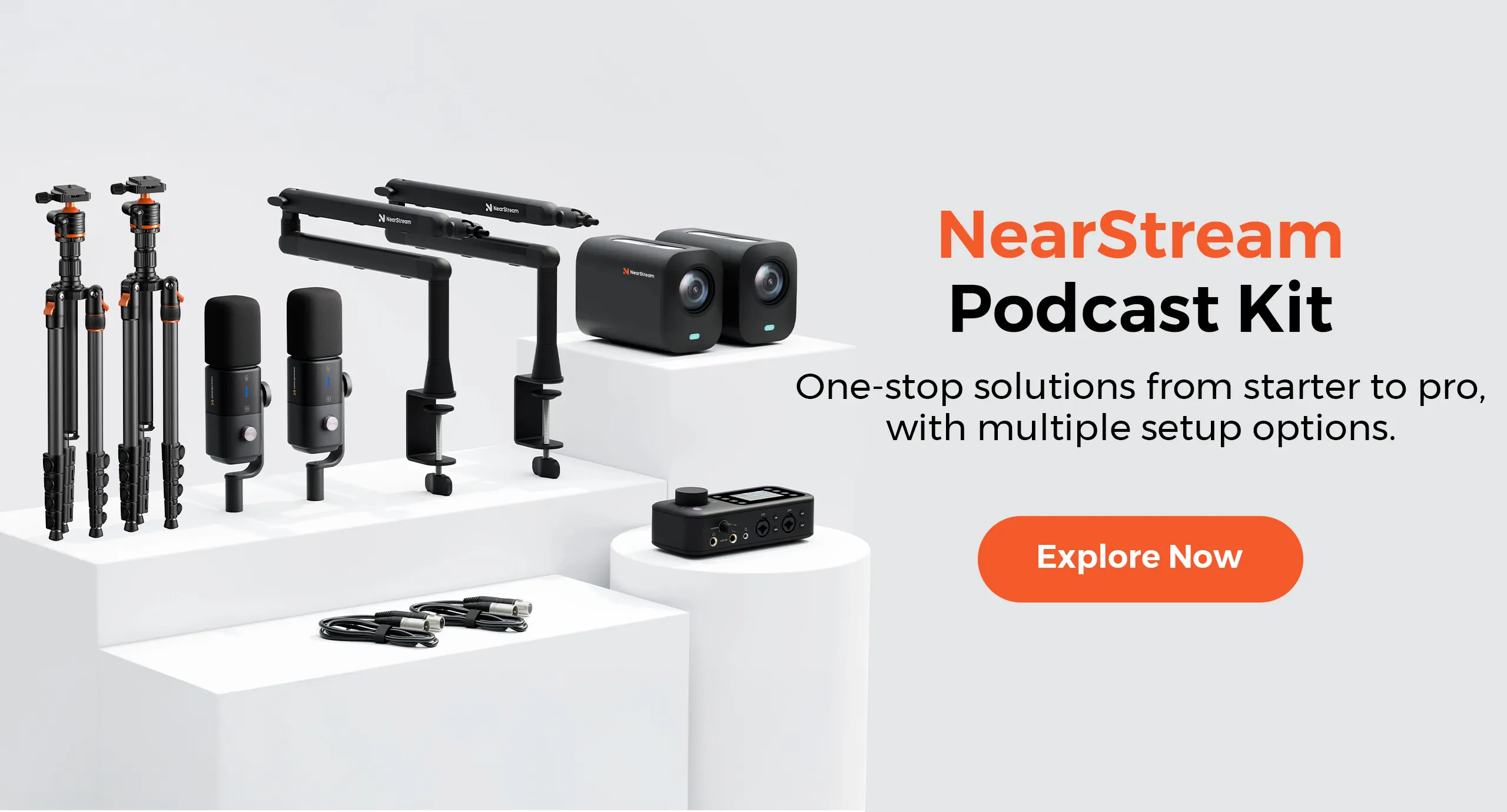
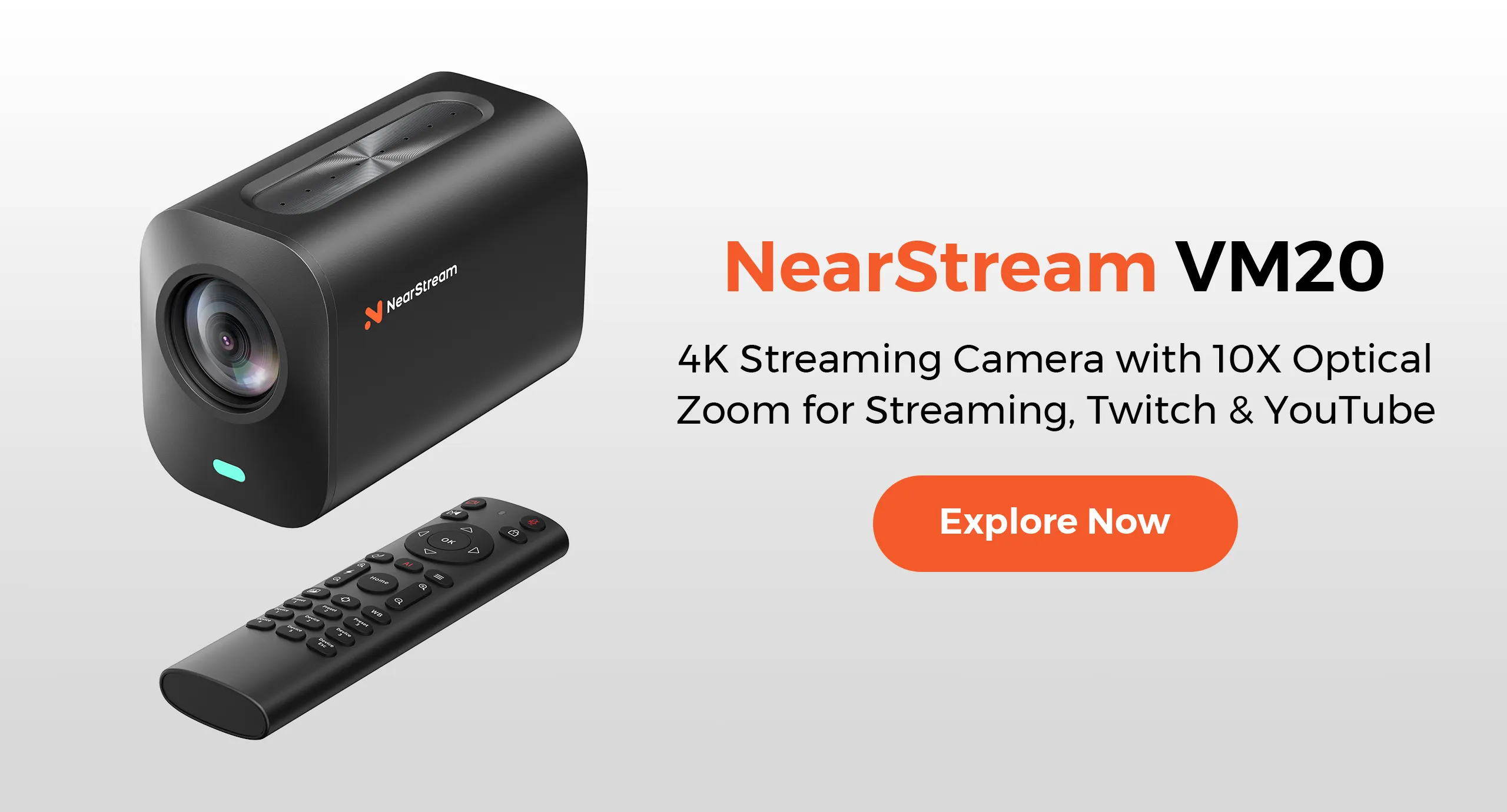
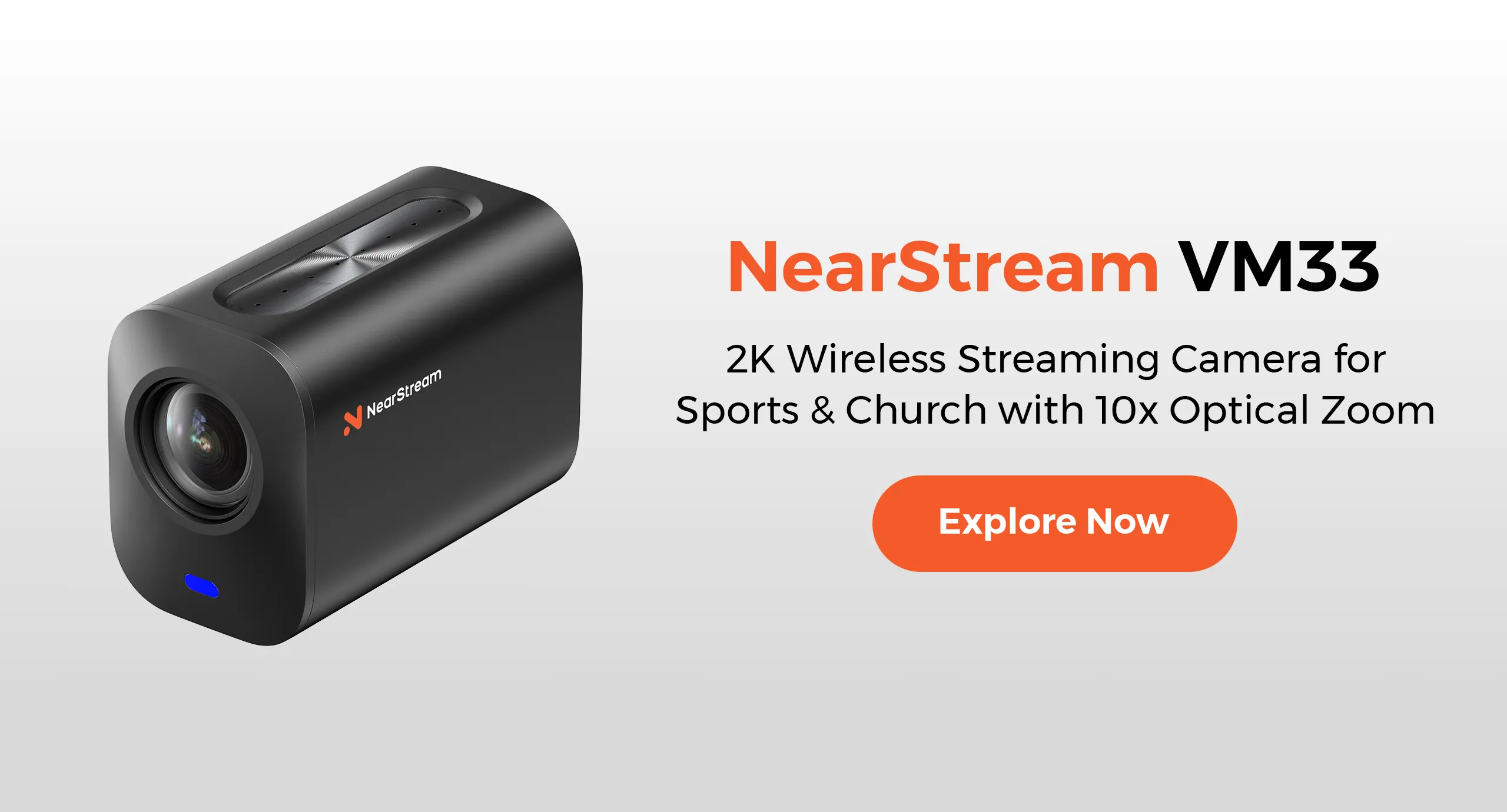
Optimize Your Podcast with NearStream
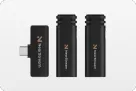
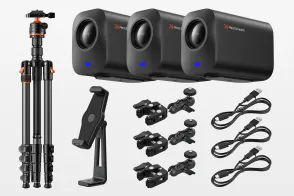
Enhancing your podcast’s audio and video quality improves engagement and retention. NearStream offers professional streaming and podcasting equipment to enhance production quality:
Podcast SEO FAQs
How do I make my podcast show up on Google?
Use keywords in your title, description and episode summaries to make your podcast searchable. Submit your podcast to directories like Apple Podcasts, Spotify and Google Podcasts. Create a dedicated website or blog with SEO friendly content and share your episodes on social media to increase visibility.
Does episode length affect SEO rankings?
Your episode length impacts how listeners engage with your content. Research shows that podcasts between 20 and 45 minutes keep listeners the longest. Listeners drop off more frequently when episodes are longer than 60 minutes.
Does SEO Matter for Podcasts?
Yes, SEO is critical to helping your podcast rank higher on Google and podcast directories. It increases discoverability, attracts new listeners and organic traffic. A well optimized podcast grows its audience faster than word of mouth alone.
How to Optimize a Podcast for SEO?
Use targeted keywords in your podcast title, description and show notes. Transcribe episodes to make content searchable, create backlinks from blogs and social media and optimize your podcast website for search engines. Engaging titles and high quality content also increase visibility.
What are the Key SEO Metrics for Podcasts?
Key podcast SEO metrics are search rankings, number of downloads, listener growth, engagement rates (likes, shares, comments) and backlinks. Tracking these metrics helps you know what’s working and improve your podcast’s reach over time.
Conclusion
Good SEO is key to your podcast’s success. Optimize your podcast on major platforms and use the right keywords to reach more listeners. Make sure your metadata is accurate, research your keywords well and stick to a consistent content schedule.
Having transcripts makes your content more accessible and improves search rankings. Expanding beyond podcast directories through social media, backlinks, and ads can grow your audience further. However, quality content should always be your top priority while following SEO best practices.
If you want to improve your podcast’s visibility and attract more listeners, NearStream.us has you covered. Your podcast can keep growing and ranking by tracking performance and making adjustments. Good podcast SEO combines technical strategies with strong audience connections. Apply these tips to build a loyal listener base and long term success.









































































 sales@nearstream.us