














Camera
Webcam
Microphone
Wireless Microphone
Capture Card
Audio Mixer
Lighting & Backdrop
Accessories

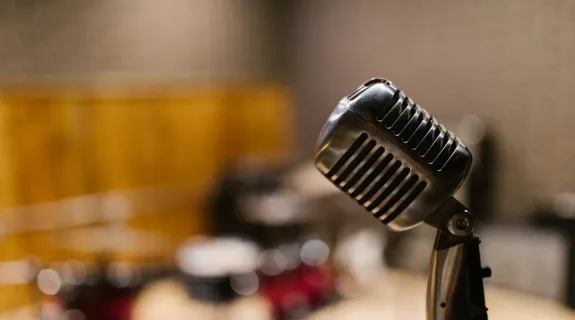
Welcome to the definitive guide to finding the best podcast microphone for your show. Whether you're a complete beginner staring at a wall of confusing options or a seasoned veteran looking to upgrade, the piece of gear that will make or break your sound is the microphone for podcast.
It's the very first link in your audio chain, capturing your voice and translating your passion into a signal your audience can hear. A great podcast microphone can make you sound like a seasoned pro recording in a high-end studio, while a bad one can make you sound distant, tinny, and unprofessional—no matter how brilliant your content is.
In this guide, we'll cut through the jargon, explore the different types of podcast microphones, and give you our top picks for every budget and scenario
Let's be blunt: in an audio-first medium, your audio quality is your calling card. Listeners have endless choices. If they click "play" and are met with distracting hiss, room echo, or a voice that sounds like it's coming through a tin can, they will leave.
💡 Key Takeaway: The best microphone for podcasting isn't just about sounding good; it's about respecting your listener's time. It's the foundation of your show's production quality.
Investing wisely here pays dividends in listener retention, perceived professionalism, and your own confidence as a creator.
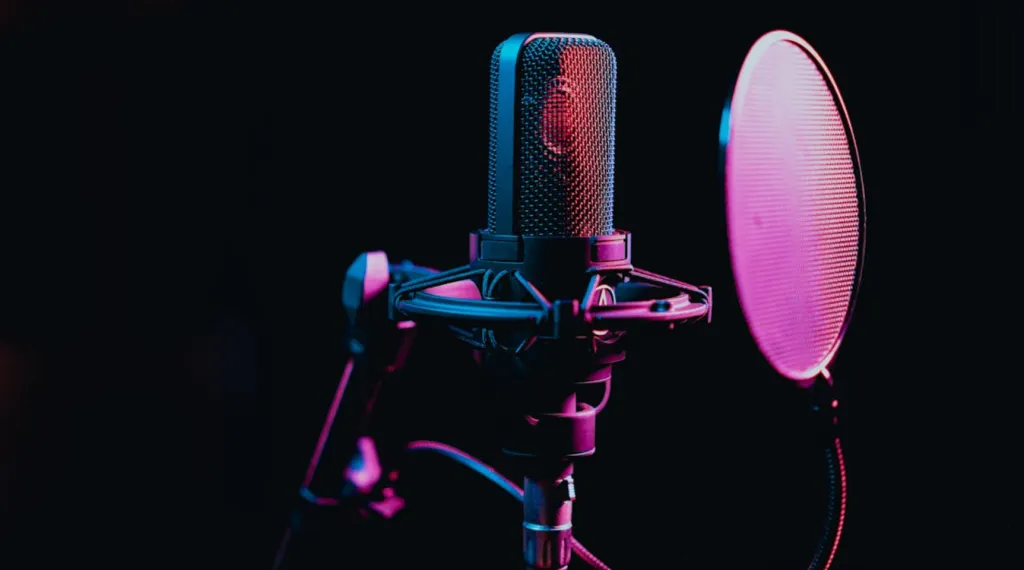
Before you add anything to your cart, you need to understand three key technical differences that will define your recording experience.
This is the most fundamental choice. It determines what other gear you may need and is all about the connector.
Here’s a simple breakdown:
| Feature | USB Microphones | XLR Microphones |
|---|---|---|
| Ease of Use | 🌟🌟🌟🌟🌟 (Plug & Play) | 🌟🌟 (Requires extra gear) |
| Gear Needed | A Computer | Computer + Audio Interface |
| Flexibility | Good (for one mic) | Excellent (for multiple mics) |
| Upgrade Path | Limited | Near-infinite |
| Best For | Beginners, Solo Podcasters | Pro-level, Multi-host shows |
To use an XLR mic, you'll need an audio interface, a mixer, or a decent digital recorder.
Hybrid Mics: The best of both worlds! Some modern podcast microphones offer both USB and XLR connections (like our top budget pick).
These terms refer to how the microphone is built to "hear" sound.
Simple Analogy:
Which one is right for you?
| Feature | Dynamic Microphones | Condenser Microphones |
|---|---|---|
| Sensitivity | Low | High |
| Sound Profile | Warm, Rich, "Broadcast" Sound | Crisp, Clear, Detailed Sound |
| Background Noise | ✅ Excellent at rejecting it | ❌ Picks it up very easily |
| Best Environment | Normal, untreated rooms (bedrooms, offices) | Quiet, sound-treated rooms |
For most beginners, a dynamic mic is the safer bet as it will hide imperfections in your room, like reverb or background noise. A condenser mic will sound amazing if you have a reasonably quiet space.
Polar patterns just describe where a microphone listens.
💡 Pro Tip: For 99% of podcasters, you want a Cardioid pattern. It focuses on your voice and ignores the rest. It's almost always better to avoid sharing a mic and give everyone their own cardioid mic.
Learn more in our complete guide to microphone polar patterns.
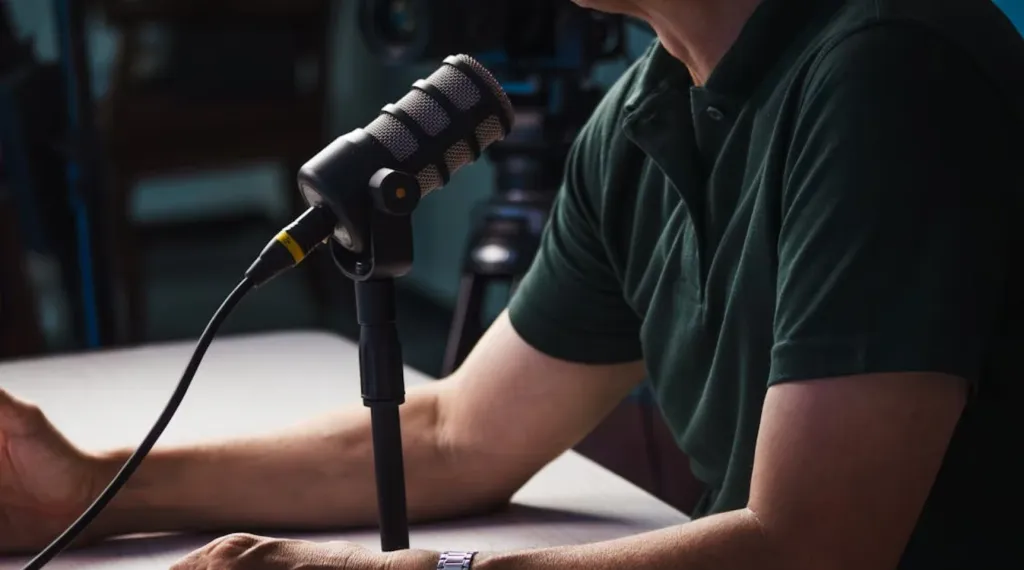
You don't need to spend a fortune to get professional sound. These mics are our top recommendations for beginners.
Budget Mics: At-a-Glance
| Microphone | Type | Connection | Price | Best For |
|---|---|---|---|---|
| Samson Q2U | Dynamic | USB & XLR | $ | Overall Best Value / Beginners |
| ATR2100x | Dynamic | USB & XLR | $ | Q2U Alternative |
| Shure SM58 | Dynamic | XLR | $$ | Durability / On-location |
| AT2020 | Condenser | XLR or USB | $$ | Budget Condenser (Quiet Rooms) |
| MXL 990 | Condenser | XLR | $ | Budget Studio Sound |
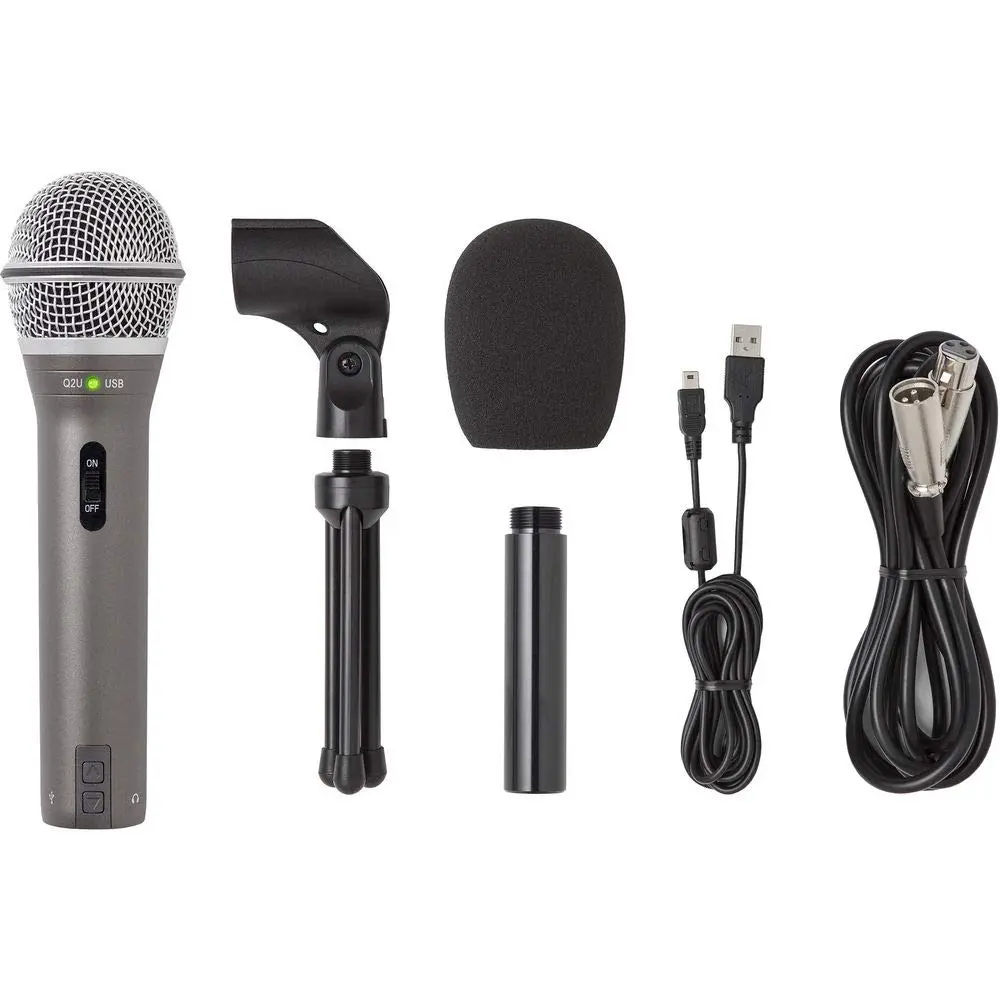
There's a reason we recommend this mic constantly. The Samson Q2U is a dynamic microphone with both USB and XLR outputs.
This hybrid capability is its superpower. You can start right away by plugging its USB cable into your computer and recording directly into Garageband or Audacity. You can even use the USB connection to run an online call with remote guests.
Later, when you're ready to upgrade to a mixer, you can simply use the same mic with an XLR cable. It's also great to back up your recordings. Read our full Samson Q2U Review: Is This (Still) the Best Microphone for Podcasters? for more.
 2. NearStream AM25X
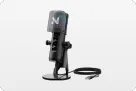
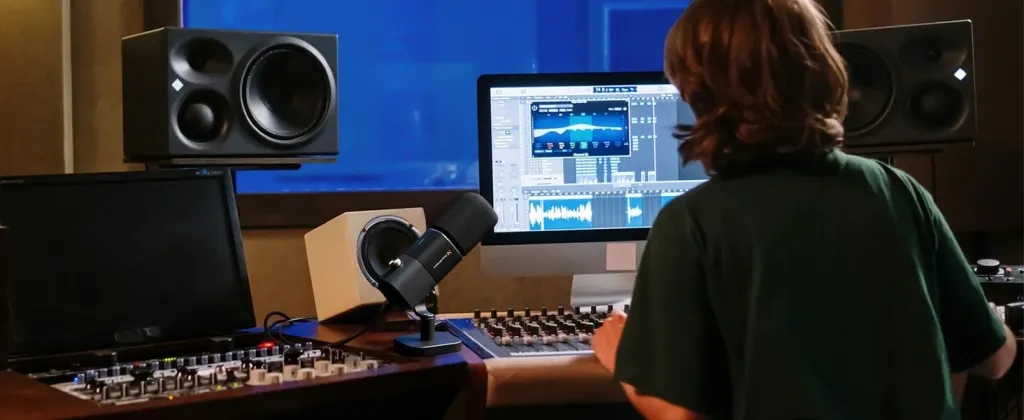
The NearStream AM25X stands out as a versatile dynamic microphone offering studio-grade clarity and dual connectivity for both digital and analog setups. It’s positioned as a step above typical entry-level mics, delivering richer tone, lower noise, and smoother gain control. It also typically includes a 3-in-1 control knob for gain, monitoring, and mute, along with built-in AI noise reduction for cleaner audio in any environment. An intuitive LED indicator light clearly shows the mic’s current status—active, muted, or monitoring—so you always know what’s happening at a glance. Therefore, the choice often comes down to your budget, your need for extra features like noise cancellation and multifunction control, and your brand preference.
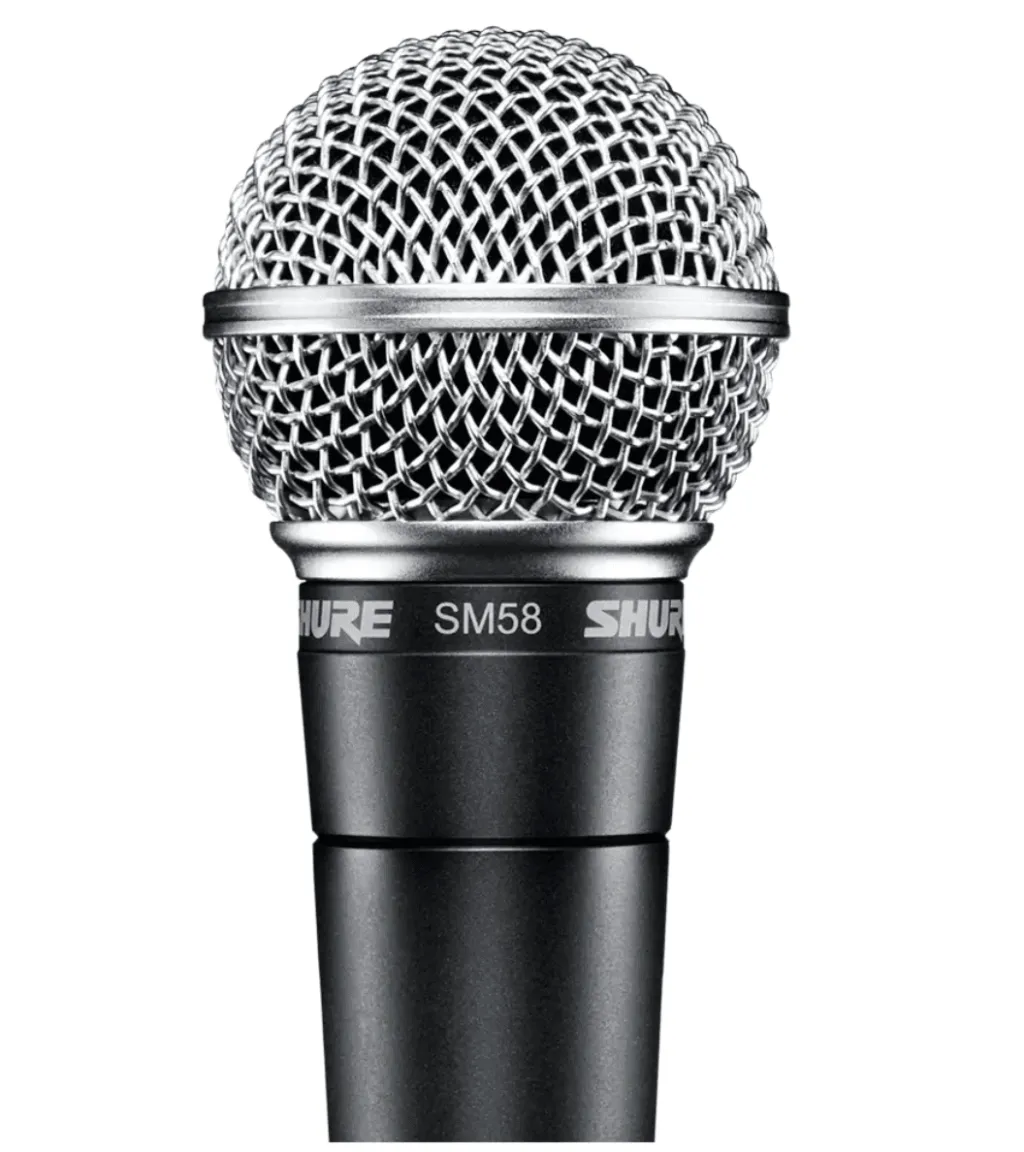
The Shure SM58 is a legend. It's an XLR-only dynamic mic that's famous for being practically indestructible. Because it's designed to be held, it's a fantastic choice for podcasters who do on-the-street interviews or record in unpredictable environments.
If you have a quiet recording space and want that detailed condenser sound on a budget, the Audio-Technica 2020 is a longtime favorite. Our AT-2020 review focuses on the XLR model, but the USB version is just as popular.
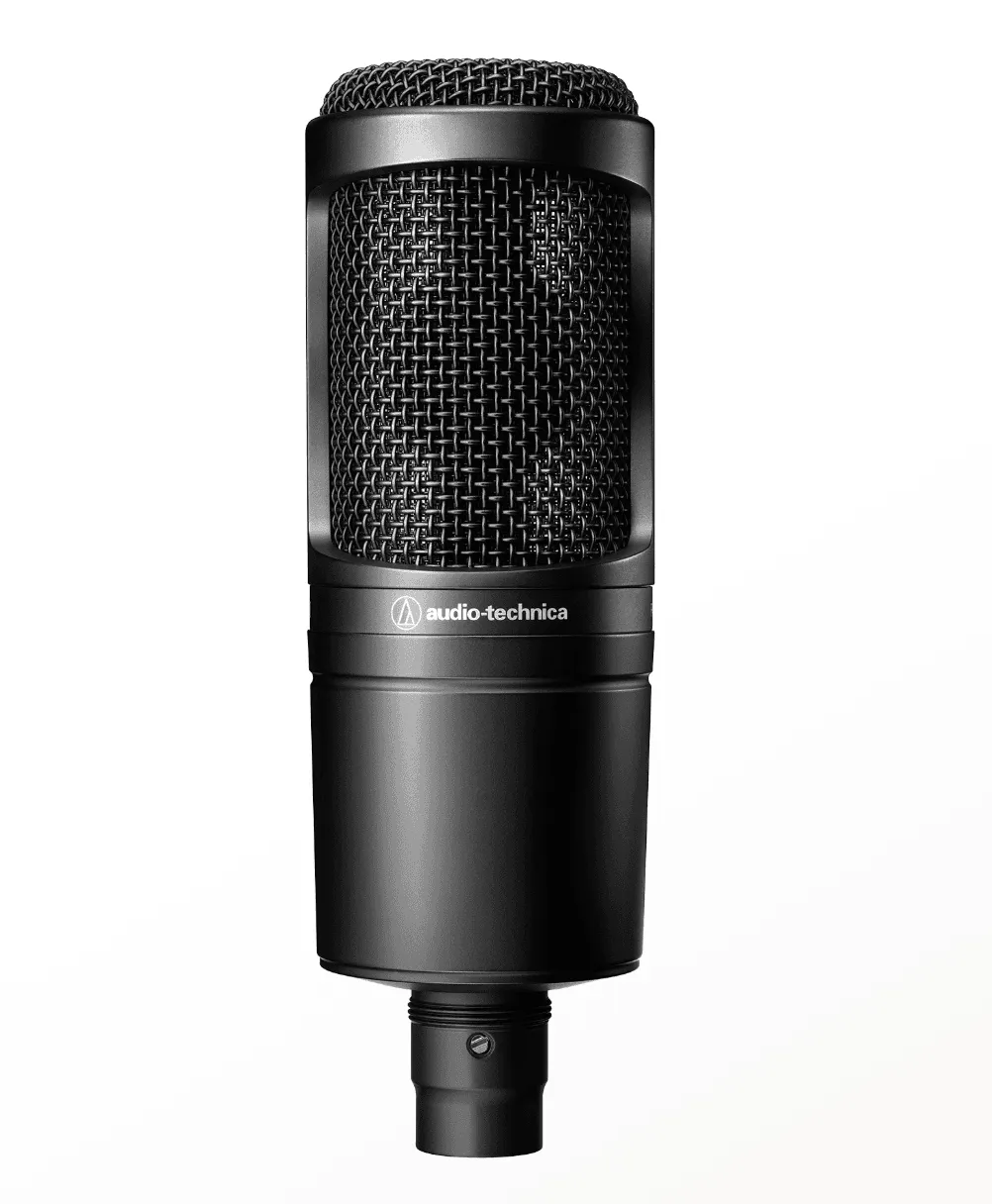
The MXL990 remains a solid choice for podcasters in a treated room looking for that warm vocal tone without breaking the bank. It's XLR-only, so you'll need an interface.
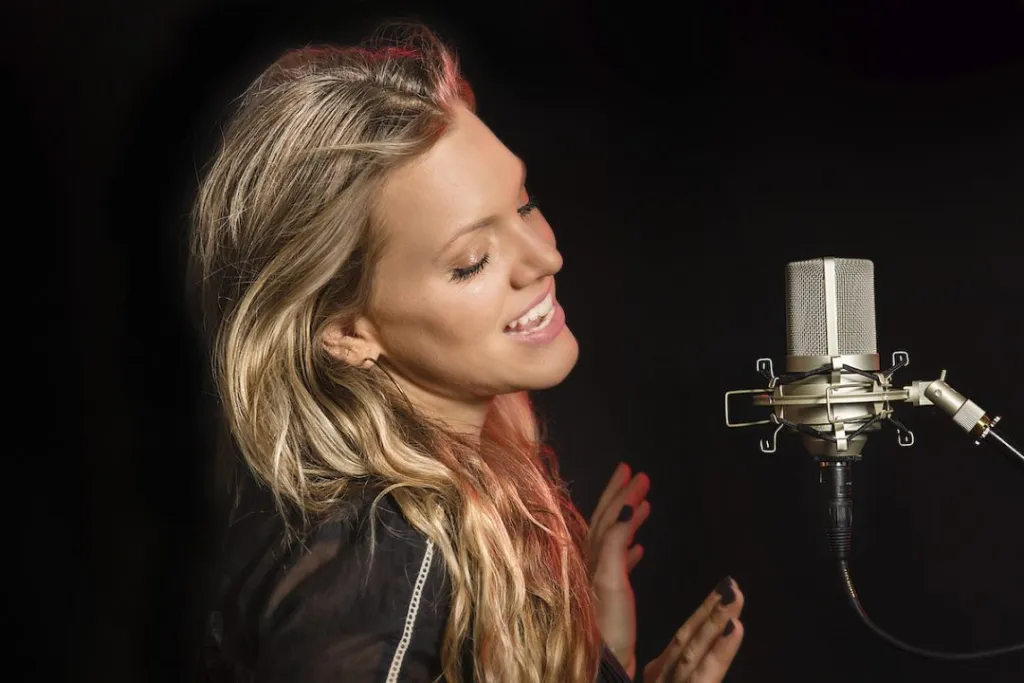
This is the sweet spot for most podcasters. These microphones offer professional, broadcast-quality sound that will serve you well for years.
Mid-Range Mics: At-a-Glance
| Microphone | Type | Connection | Price | Best For |
|---|---|---|---|---|
| Blue Yeti | Condenser | USB | $$ | Ease of Use / Flexibility |
| Rode Podcaster | Dynamic | USB | $$$ | Pro USB Dynamic |
| Samson Q9U | Dynamic | USB & XLR | $$ | The "Pro" Hybrid Mic |
| AKG Lyra | Condenser | USB | $$ | Blue Yeti Alternative |
| PreSonus Revelator Dynamic | Dynamic | USB | $$$ | USB Mic for Noisy Rooms |
You can't talk about podcasting without mentioning the Blue Yeti. According to our Gear Stats Survey, it's one of the most popular mics out there.
⚠️ Important: The Yeti is a side-address mic. You must speak into the front (the side with the logo), not the top! Because it's a sensitive condenser, it's best for quiet rooms.
Learn more in our Blue Yeti review, or check out the Blue Yeti and its various accessories. The newer Blue Yeti X offers updated features.
The Rode Podcaster is a broadcast-quality dynamic USB mic. This gives you the plug-and-play ease of USB but with the superior background noise rejection of a dynamic. If you prefer XLR, its sibling, the Rode Procaster, offers the same sound in an XLR-only body.
Stepping up from the Q2U, the Samson Q9U is another brilliant hybrid (XLR/USB) dynamic mic. It's designed to compete with more expensive broadcast mics, offering a rich, warm tone with modern features like a low-cut filter.
A direct competitor to the Blue Yeti, the AKG Lyra is a USB condenser mic with a cool, retro design. Many users (including us) feel it has a slight edge over the Yeti in sound quality. Our full AKG Lyra review has the details.
The PreSonus Revelator Dynamic is a smart USB dynamic mic built for podcasters. Its biggest selling point is the built-in processing, which includes presets to help you sound your best and fight background noise.
When you're ready to invest in a "forever" mic and want that unmistakable, top-tier broadcast sound, these are the industry legends.
Premium Mics: At-a-Glance
| Microphone | Type | Connection | Price | Best For |
|---|---|---|---|---|
| Shure SM7b | Dynamic | XLR | $$$$ | The Industry Standard / Pro Vocals |
| Shure MV7+ | Dynamic | USB & XLR | $$$ | The "Modern SM7b" / Versatility |
| Electro-Voice RE20 | Dynamic | XLR | $$$$ | Broadcast Legend / No Proximity Effect |
| Rode NT1-A | Condenser | XLR | $$$ | Pro Condenser (Quiet Studios) |
| Heil PR40 | Dynamic | XLR | $$$$ | Pro-level SM7b Competitor |
If you've ever watched a high-profile podcast on YouTube, you've seen the Shure SM7b. It's the iconic podcast microphone with a famously warm, rich sound. Its one catch is that it's "gain-hungry," meaning it needs a powerful preamp. To solve this, Shure released a new version; check out our Shure SM7db review.
Inspired by the SM7b, the Shure MV7 was built for podcasters. It's a hybrid dynamic mic (XLR/USB) that gives you that classic Shure sound. It was recently updated with the Shure MV7+, which adds a customizable LED panel. Read our review of the Shure MV7+ to see what's new.
The other "icon" on the list, the Electro-Voice RE20, is famous for its "Variable-D" technology, which prevents the "proximity effect" (the boomy bass sound you get when you're too close). This means your tone won't change as you move around. Our Electro-Voice RE20 review sings its praises. You can also check out its cousin, the EV R320.
If you have a very quiet, treated studio and want a premium condenser mic, the Rode NT1-A is a fantastic choice. It's famous for being one of the quietest microphones in the world, so your recordings will be exceptionally clean.
Touted by many high-level podcasters, the Heil PR40 is another top-tier dynamic microphone that delivers a full, rich sound that's flattering for spoken word.

Not everyone records at a desk. Here are top picks for unique scenarios.
A great podcast microphone is just one part of the puzzle. To make it shine, you'll need a few accessories.
Buying the best microphone for podcasting is only half the battle. How you use it matters just as much.
💡 The Golden Rule of Audio: A $100 mic in a well-treated room will always sound better than a $1,000 mic in a bad, echoey room (like a kitchen).
Choosing a podcast microphone can feel overwhelming, but it boils down to finding the right tool for your specific situation.
The best podcast microphone is the one that fits your budget, works in your recording space, and is easy for you to use consistently.
Ready to learn more? Our Podcraft Academy is packed with courses and live coaching to help you succeed.
And if you want to make the entire process as easy as possible, try Alitu free for 7 days. It's our all-in-one "podcast maker" tool that automates noise reduction, levelling, and publishing, letting you focus on creating great content.
What is the most popular podcast microphone?
According to our 2024 Podcaster Gear Survey, the Blue Yeti is the most-used mic among podcasters. Our own Gear Stats Survey confirms this. However, for best value, we recommend the Samson Q2U.
What's the best dynamic microphone for podcasting?
For best overall quality, the Electro-Voice RE20. For the best value, the Samson Q2U.
What's the best condenser microphone for podcasting?
For a dream studio, the Neumann U87. For a realistic budget, the MXL990 or Audio-Technica 2020 (in a quiet room).
What's the best microphone for recording on a smartphone?
The Rode Wireless Micro is our top pick.
What's the best microphone for YouTube or video podcasting?
For a visible, on-desk mic, the Shure MV7+ or Blue Yeti look great. For an invisible mic, the Rode Wireless Micro is perfect. We have a full guide to the Best Microphones for YouTube.
What's the best microphone for an echoey, untreated room?
A dynamic mic. The Shure MV7+ and PreSonus Revelator Dynamic are excellent at this. But always try to sound treat your room first!
What's the best portable podcast microphone?
The Rode Interview PRO is a fantastic all-in-one handheld mic. For a full portable kit, the Rode Wireless Pro system is unbeatable.


Get exclusive NearStream offers and catch the latest in features, updates, and more.
By signing up, you agree to NearStream's Privacy Policy.


 sales@nearstream.us